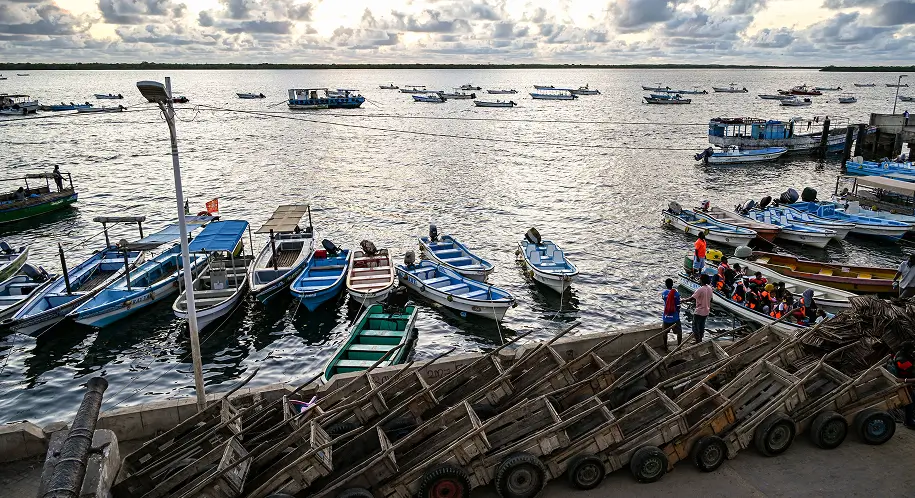
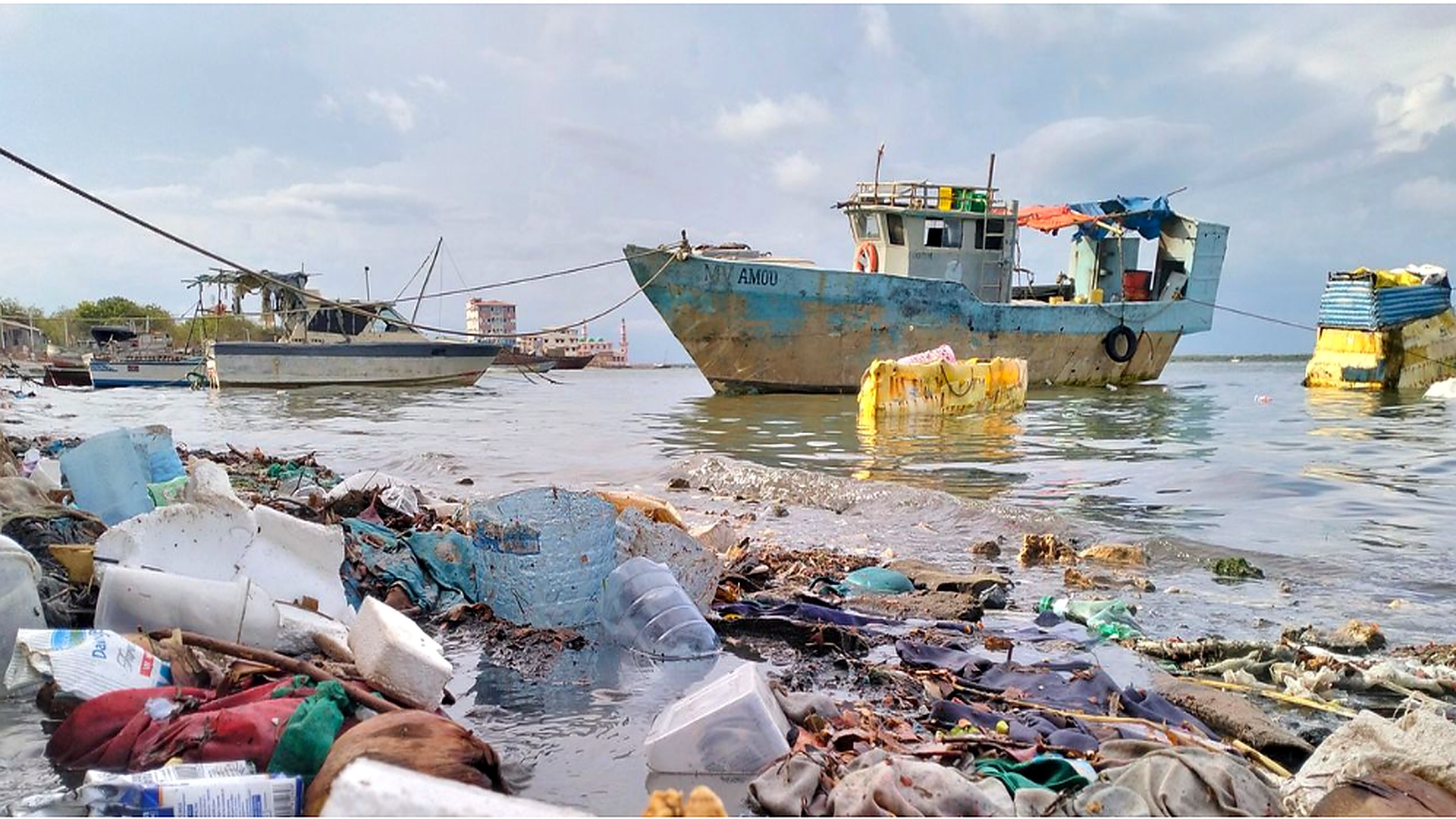
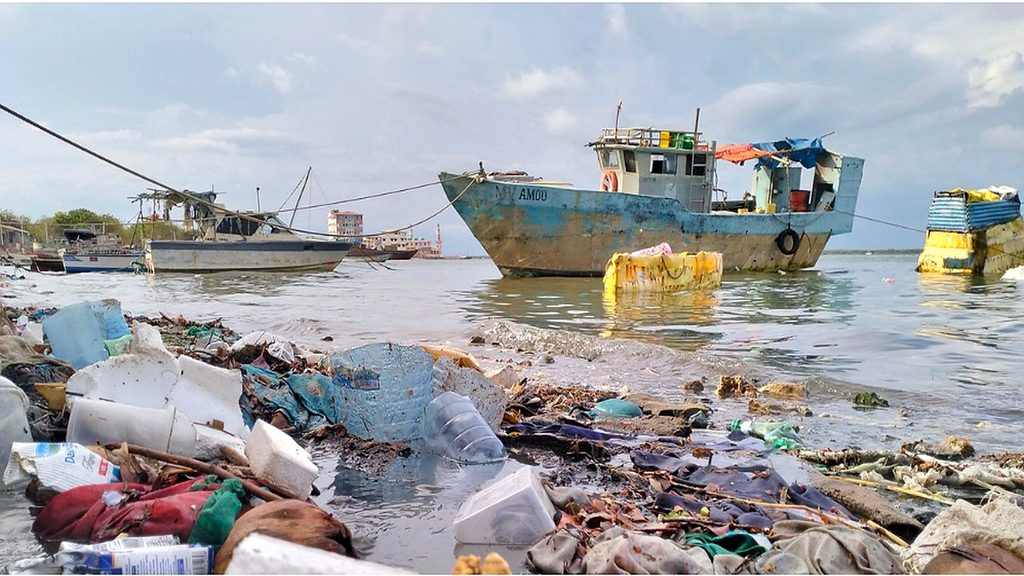
A section of the Lamu Island Beach infiltrated by solid waste materials ranging from plastic bottles, fishing nets and parts of old ragged boats. File I Nation Media Group
By Nancy Ogonje,
Executive Director, East African Wild Life Society
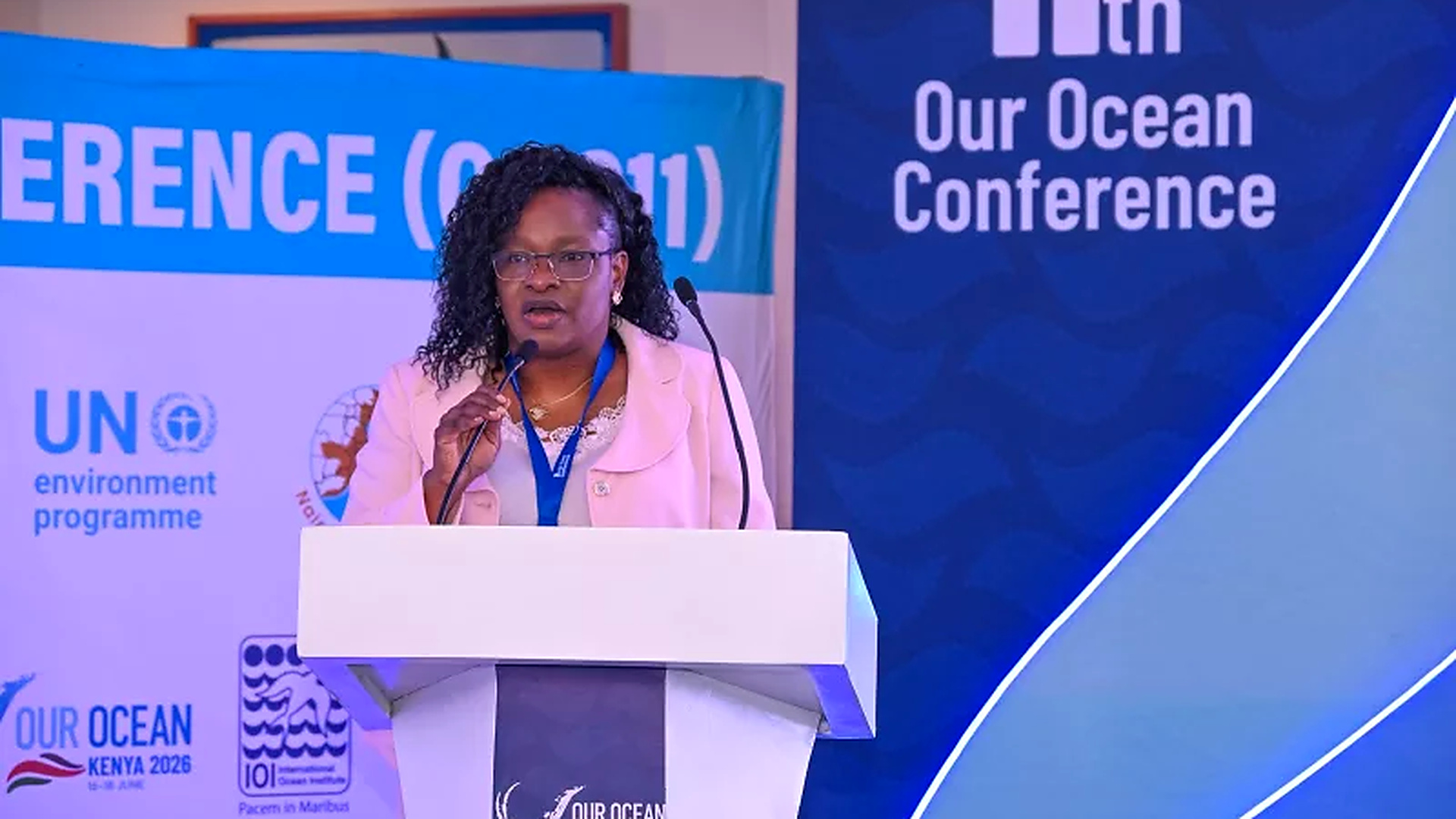
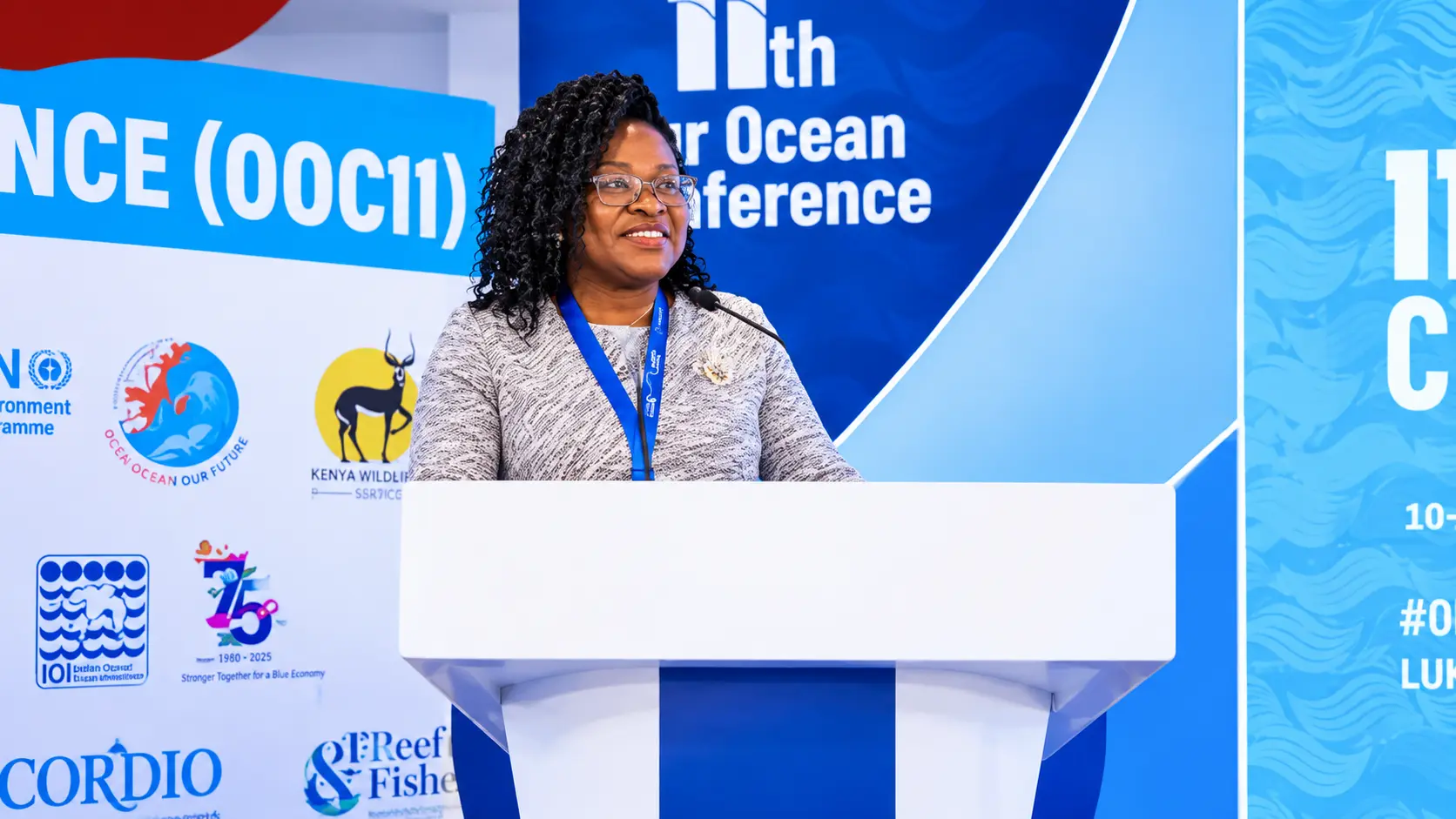
The 11th annual Our Ocean Conference held in Mombasa, Kenya, concluded with more than 320 commitments and roughly $64 billion (Sh828.9 billion) mobilised for marine action.
Global leaders, policymakers, and development partners successfully reaffirmed their collective resolve to combat illegal fishing, protect marine biodiversity, reduce pollution, and advance climate resilience.
Yet, as delegates headed home, we were reminded that high-level policy declarations and financial promises can only get us to the starting line. Whether these sweeping frameworks actually translate to lasting change hinges on one make-or-break factor: grassroots, local execution.
To transition effectively from a high-level dialogue into tangible reality, ocean governance must treat civil society organisations and coastal communities not as passive observers, but as foundational partners.
International environmental summits excel at drafting macro-level solutions, such as the newly adopted Mombasa Declaration aimed at curbing illegal, unreported, and unregulated (IUU) fishing.
International negotiating tables
However, a severe disconnect often exists between international negotiating tables and the real-world realities of vulnerable coastal populations.
Policy alone cannot patrol a marine ecosystem, nor can it single-handedly rebuild a depleted fishery. Lasting environmental stewardship occurs when the people whose food security and livelihoods depend directly on the ocean are equipped to protect it.
If the Mombasa summit is to be remembered as a genuine milestone rather than another exercise in performative diplomacy, the implementation phase must prioritise localised institutional support. By empowering local actors, the conservation movement shifts from an elite external imposition to a community-led necessity.
Civil society acts as the vital linkage connecting global commitments to meaningful action at the community level. Elevating the role of civil society is therefore not a matter of charity; it is a strategic requirement for sustainable development.
Because government transparency often falters at the shoreline, civil society organisations play a critical role in tracking environmental policy implementation to ensure that state funding and conservation resources reach their intended destination.
Promoting accountability
While civil society organisations are vital for promoting accountability, local communities possess the traditional knowledge required to effectively leverage funding for the conservation of our marine resources.
This therefore means that we must be very intentional about building platforms that elevate marginalised voices—especially those of women, youth, and the vulnerable—to harness their invaluable knowledge and lived experiences.
The writer is the Executive Director, East African Wild Life Society (EAWLS)