Arocha
Along Kenya’s northern coastline, the reefs of Watamu Marine National Park shimmer with life—parrotfish grazing, turtles gliding, and corals building the very architecture of the ocean. Yet in recent years, these reefs have faced an escalating threat: coral bleaching driven by rising sea temperatures. In response, a collaborative effort is taking root in Watamu Marine Protected Area (led by A Rocha Kenya and KWS)—one that blends science, restoration, and community stewardship to give reefs a fighting chance
Reading the Reef: Monitoring Bleaching and Resilience
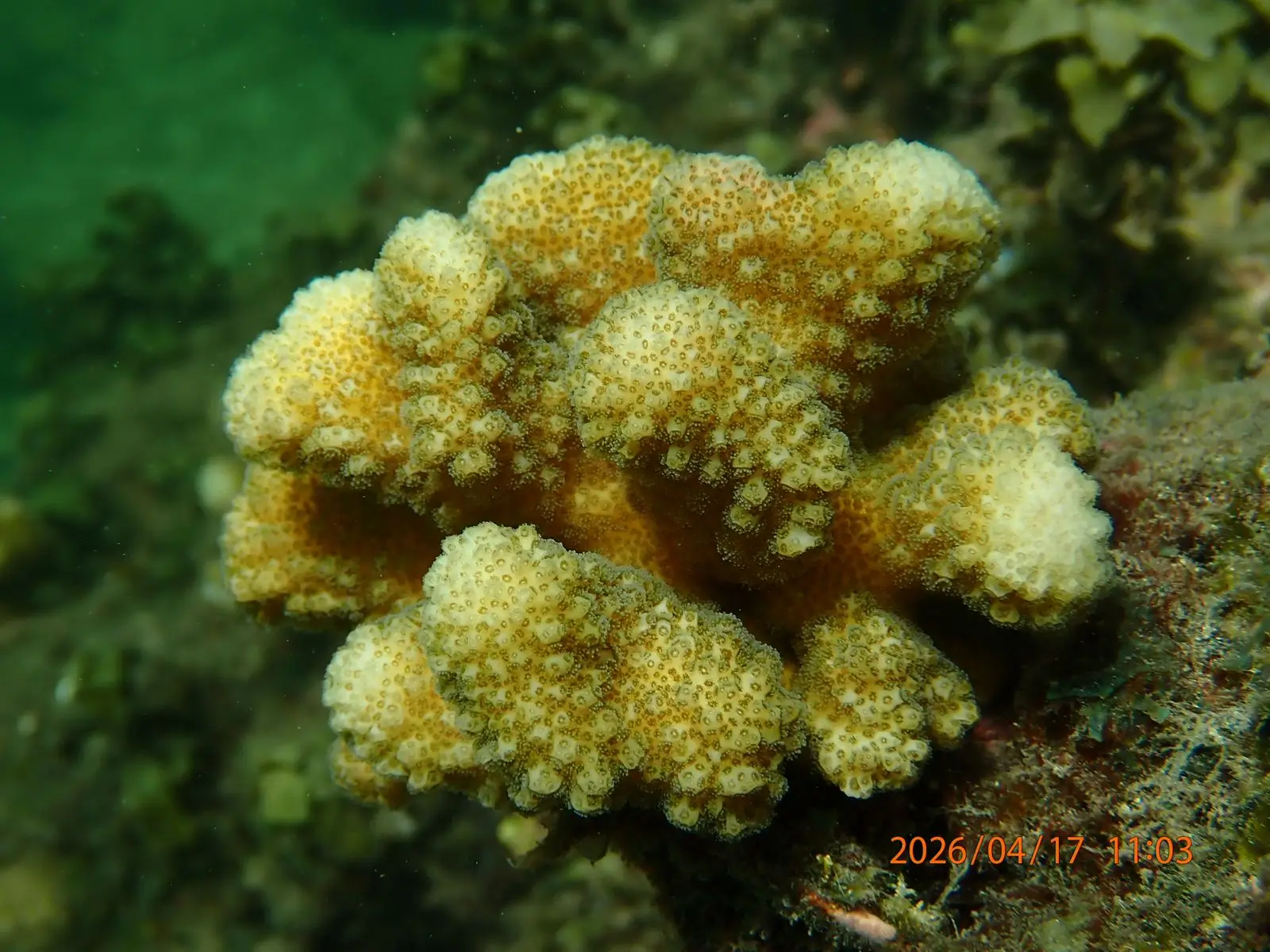
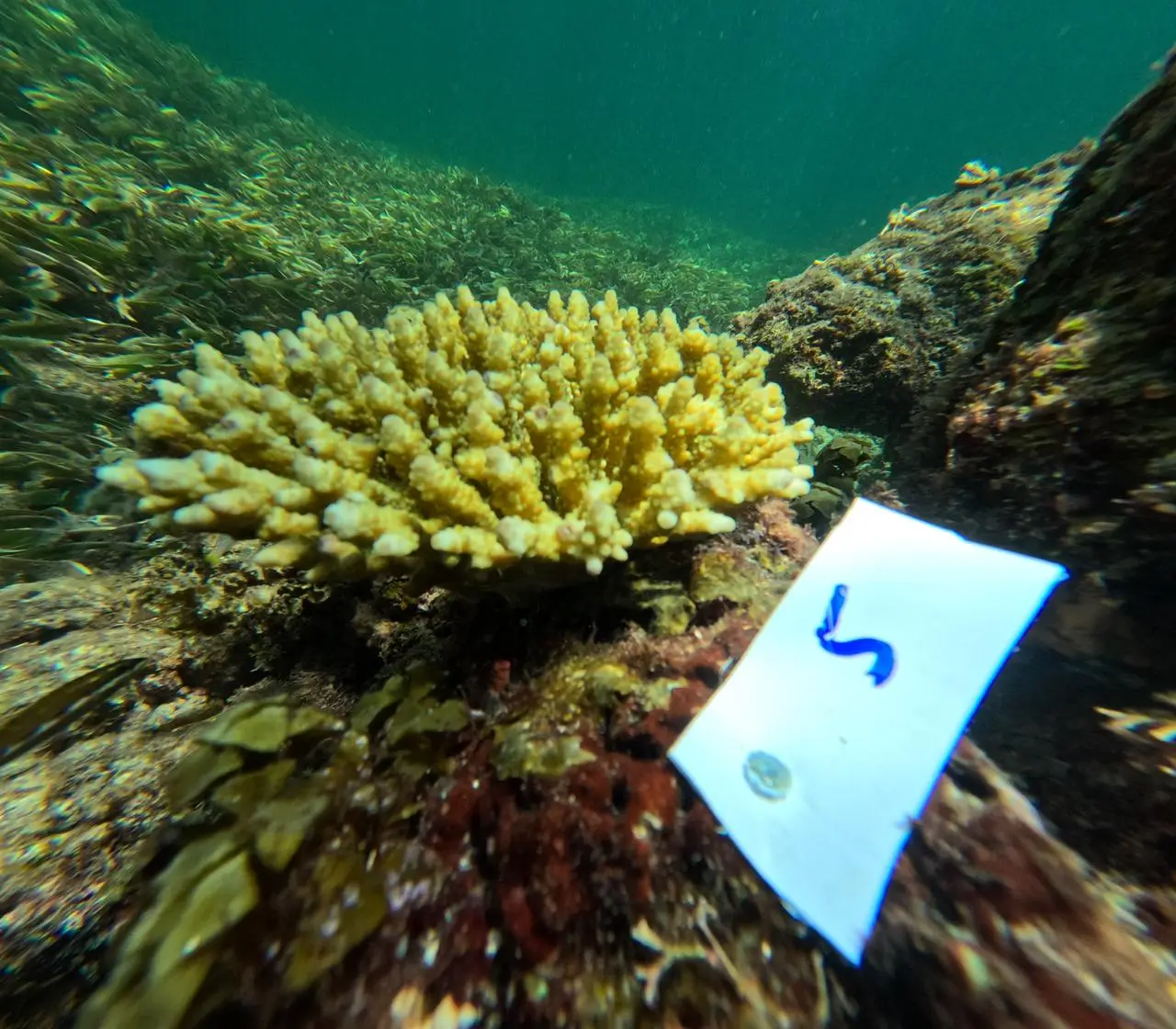
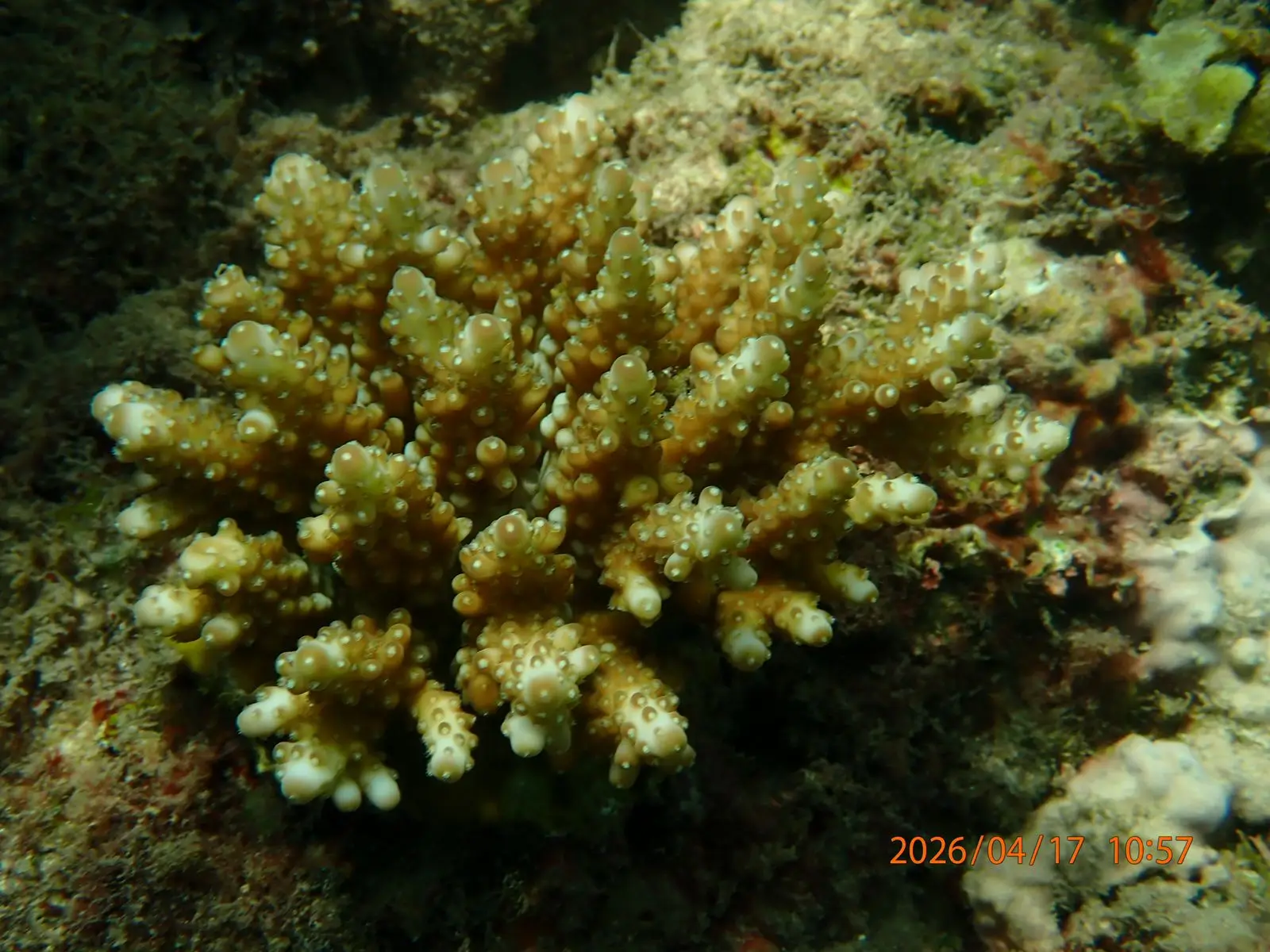
Our work begins with careful observation. Through systematic coral bleaching monitoring surveys, we are tracking how reefs respond to thermal stress across seasons. Permanent photo quadrats in the shallow patch reefs of the WMPA lagoon allow us to document bleaching severity, species-specific responses, and recovery rates. These surveys do more than record loss, they reveal patterns of resilience.
From March 2020 to 2026, surveys conducted across four sites in Watamu Marine National Park covered over 70 m² and tracked more than 600 coral colonies. These surveys have documented two of the worst mass bleaching events since the 1997 El Niño. Over this period, coral cover has declined markedly due to repeated bleaching, from 35% in 2020 to 11% by April 2025. Despite high bleaching (>90%) and mortality (40%) in 2024, there are early signs that some corals may be developing increased thermal tolerance. However, whether this adaptation can keep pace with rising ocean temperatures remains uncertain.
By identifying these “survivors,” we begin to understand which species—and even which genotypes—are better adapted to warming seas. This knowledge is essential. It shifts restoration from guesswork to evidence-based action.
Reef recovery is further constrained by low coral recruitment and macroalgal overgrowth. Between 2020 and 2025, much of the reef area previously occupied by live coral shifted to turf and coralline algae, with turf algae cover increasing from 31% to 54%. While degraded, these substrates may still support future coral recruitment and growth.
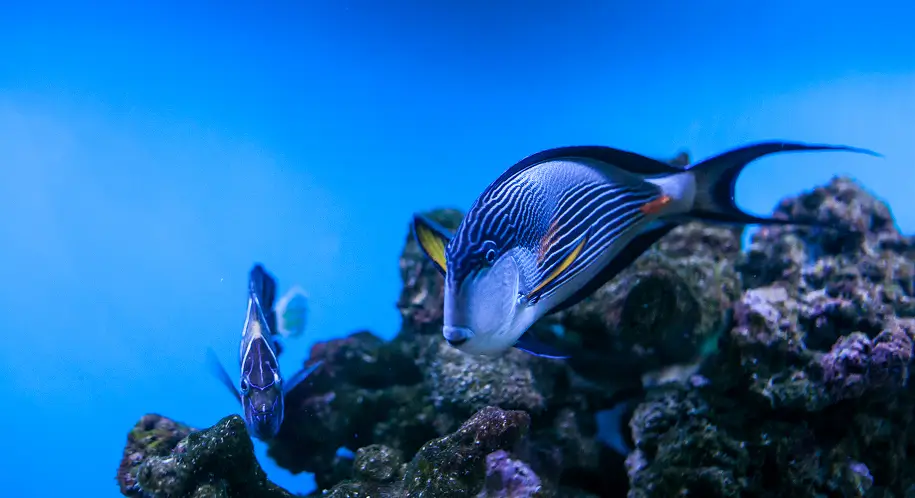
Equally important is the ecological context. We assess herbivorous fish populations and algal cover, factors that strongly influence whether a reef recovers or degrades after bleaching. In Watamu, healthy fish communities often mean cleaner substrates and better chances for coral regrowth. Resilience, we are learning, is not just about corals, it’s about the entire ecosystem.
Growing Corals, Restoring Reefs
Parallel to monitoring, we are advancing coral gardening techniques tailored to Watamu’s natural reef systems. Unlike projects that rely heavily on artificial structures, our approach focuses on enhancing existing reef frameworks—maintaining ecological integrity while accelerating recovery.
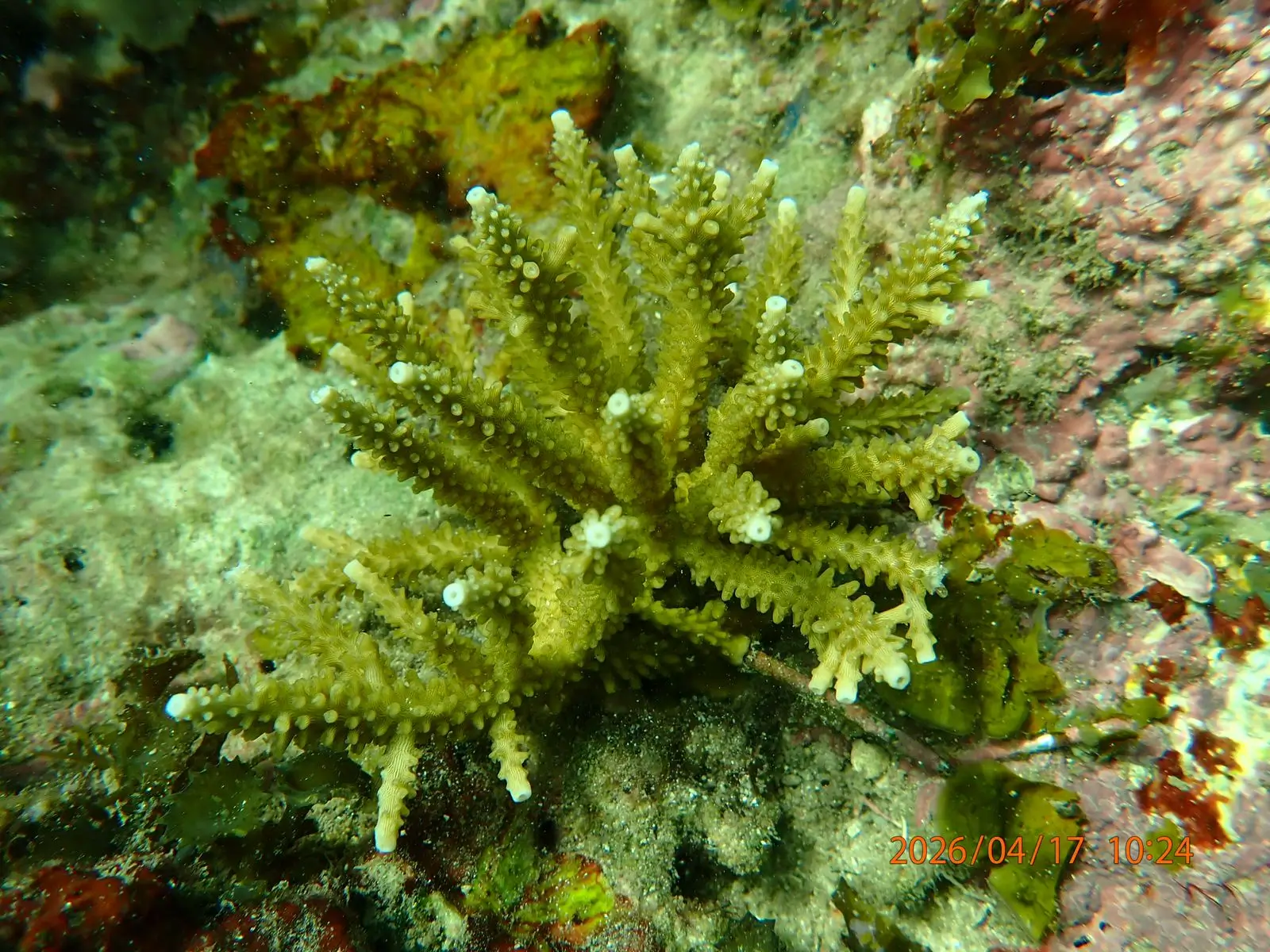
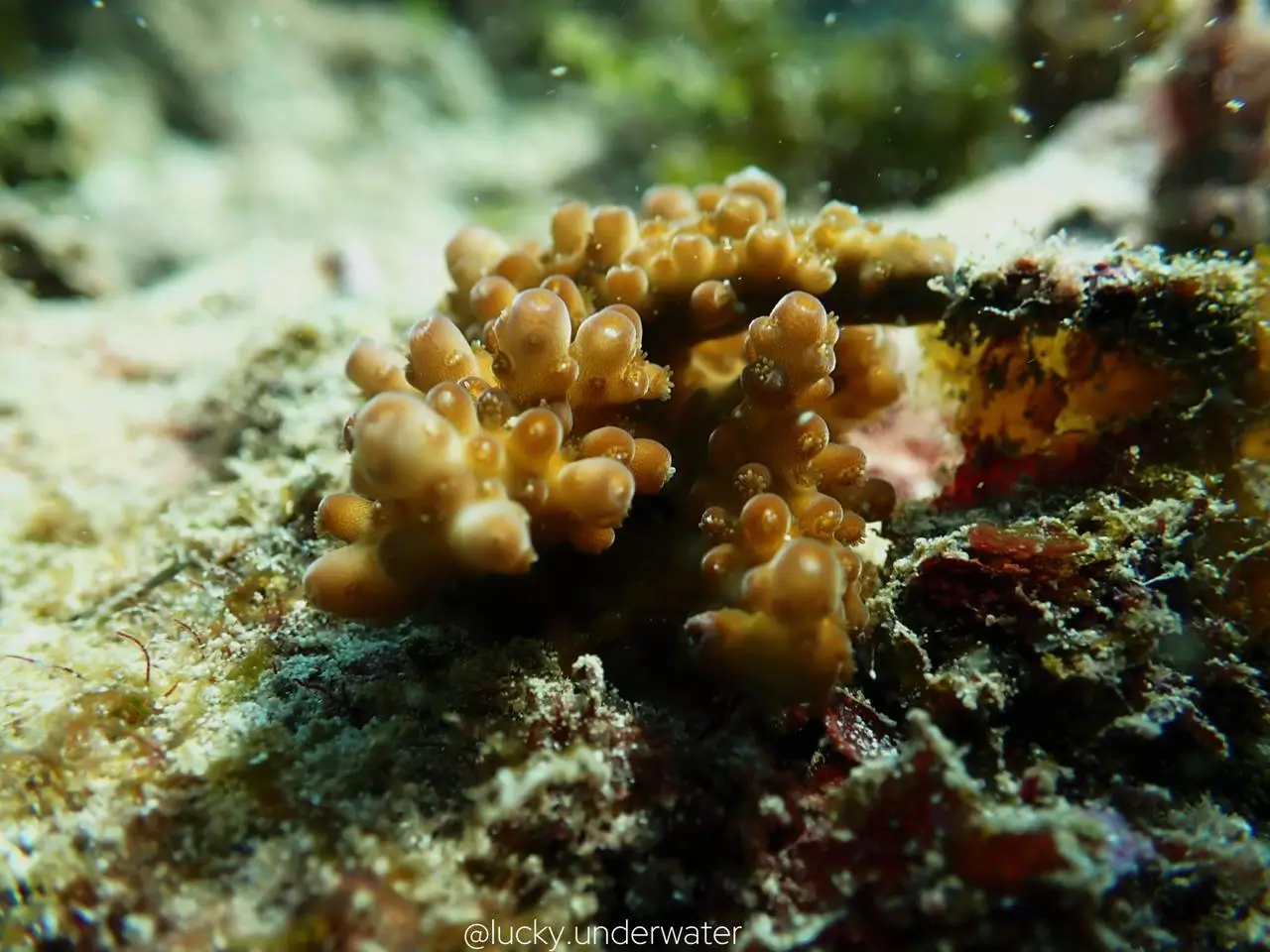
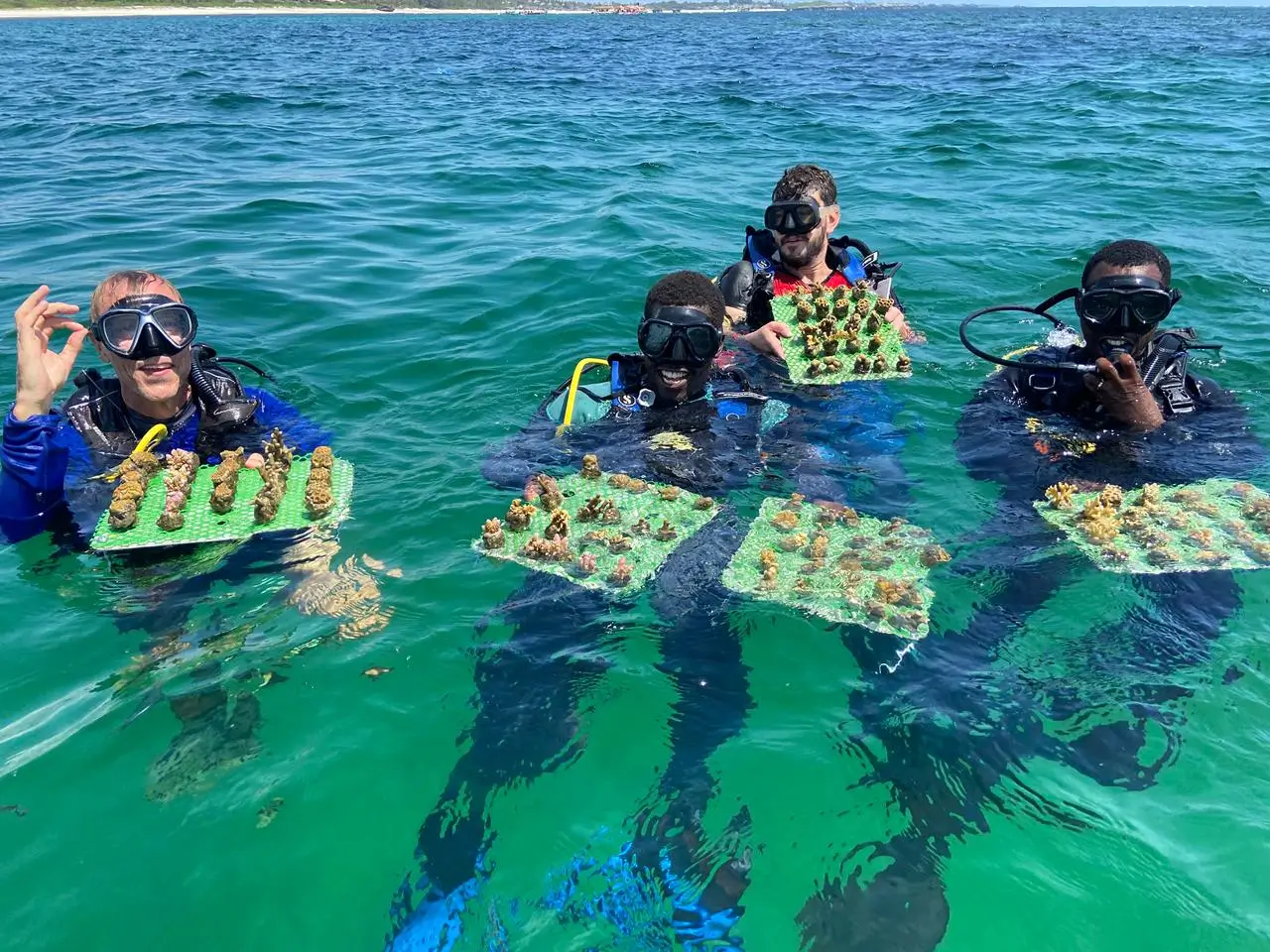
Corals of Opportunity—broken but living coral pieces—are collected and nurtured in underwater nurseries. These nurseries, carefully sited in areas with optimal flow and light, act as safe havens where corals can grow without the pressures of sedimentation or predation.
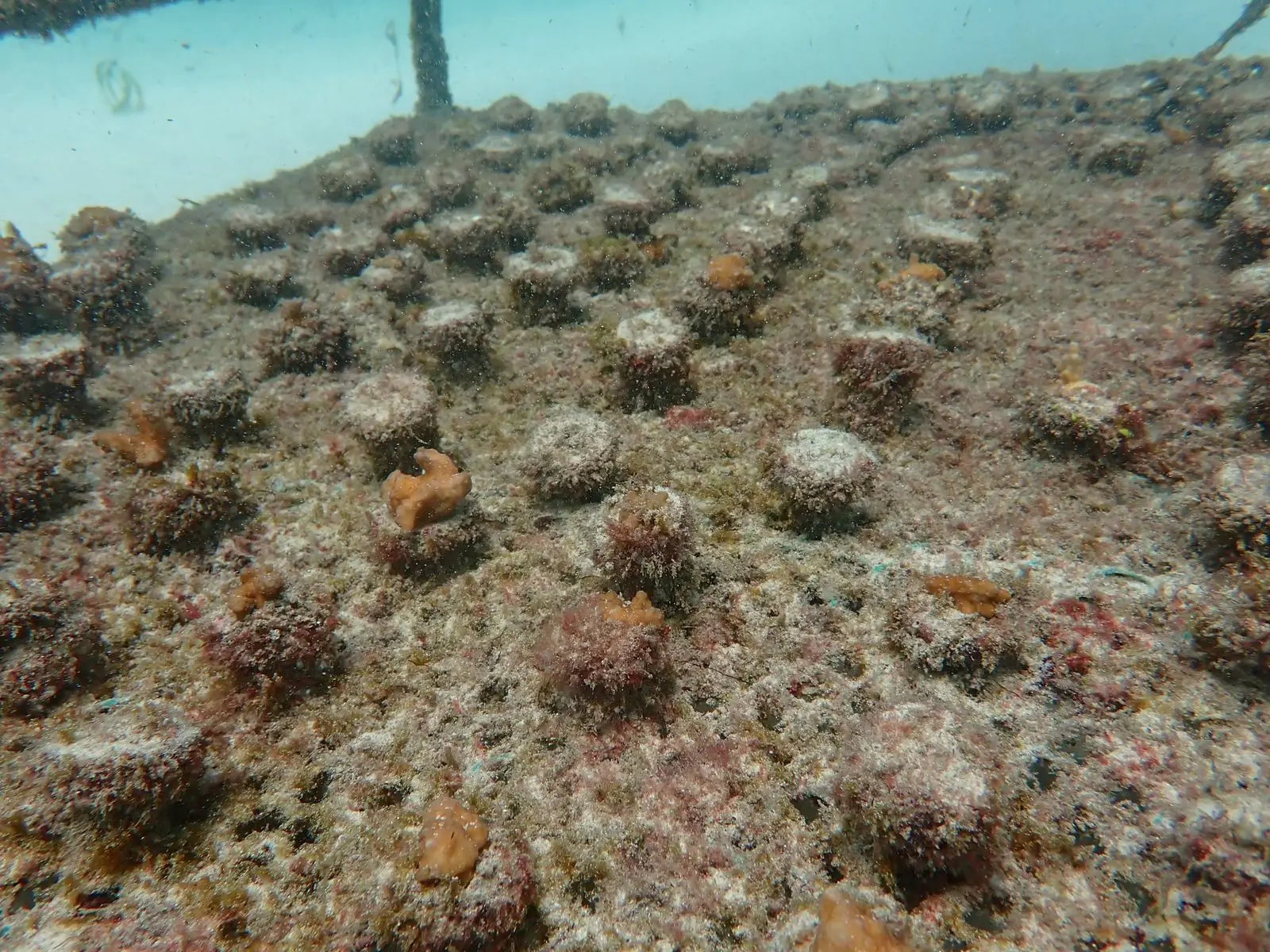
Once stabilized, these corals are then fragmented into smaller pieces and transplanted back onto degraded reef sections using special type of clips made of stainless wire. But placement is not random. Data from our monitoring surveys guides where and how restoration occurs—matching species to microhabitats where they are most likely to thrive.
Weeding off excess macroalgae on the natural substrate is essential to reef recovery, as this seaweed can be a nuisance and compete with growing coral, especially the baby coral. A Rocha marine team takes the initiative to monitor the excess seaweed and actively remove them using scuba to prevent further degradation.
In 2025, restoration efforts in Watamu achieved:
- 1,565 coral fragments transplanted onto degraded reefs
- 58 boat trips, totaling over 470 diver-hours
- 259 naturally broken fragments rescued and stabilised
- Over 200 coral colonies are maintained in in situ nurseries
- 583 m² of reef cleared of excess seaweed
- Introduction of resilient coral species from Kuruwitu, including Stylophora subseriata and Porites cylindrica, through controlled trials following El Niño-related stress
This integration of monitoring and restoration ensures that we are not just planting corals, but rebuilding functioning reef systems.
Community at the Core
Science alone cannot save reefs. In Watamu, conservation is a shared responsibility—one that includes diving schools, community groups, conservation organizations, and government agencies.
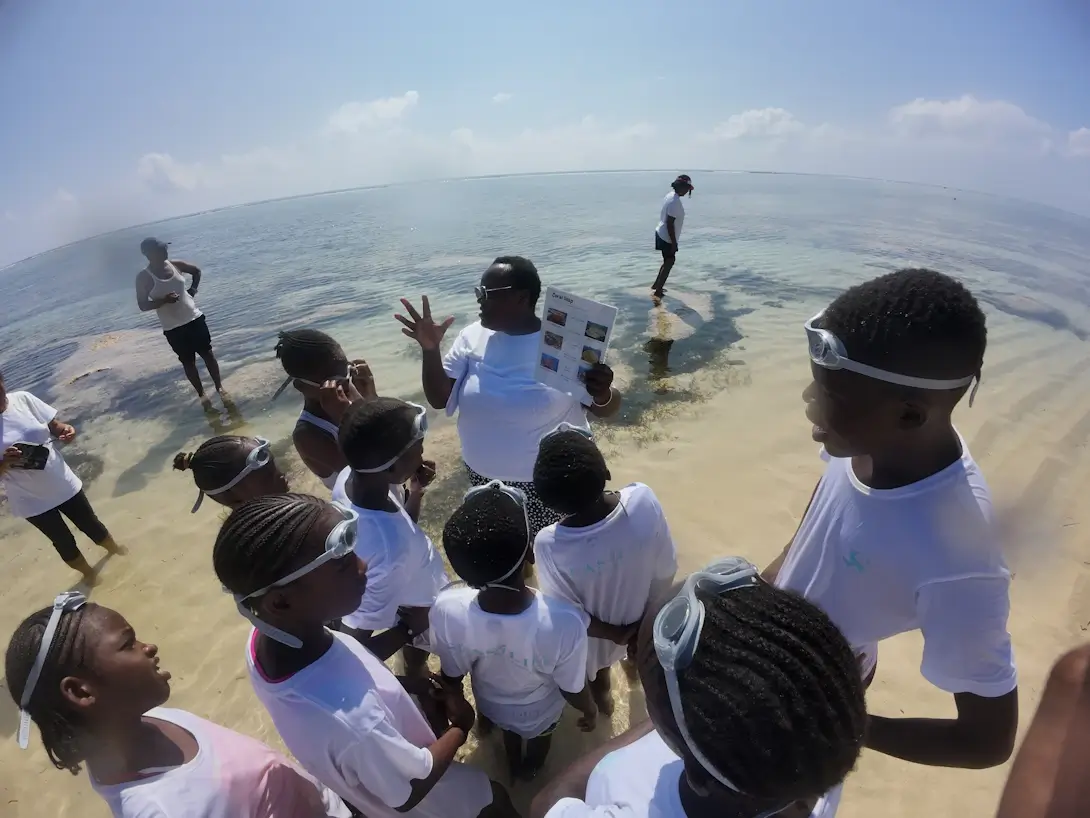
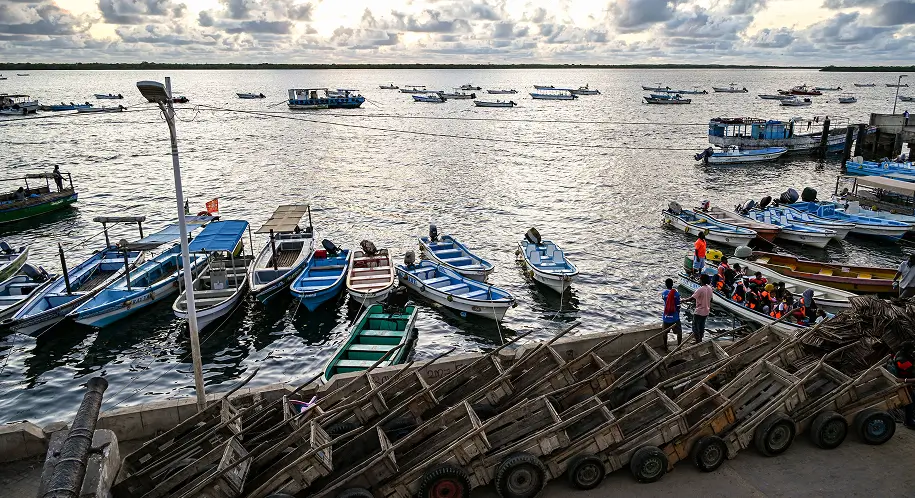
We are working closely with tour boat operators to leverage eco- tourism in coral reef conservation. Training sessions and participatory surveys are building local capacity, turning community members into reef stewards. This approach not only strengthens conservation outcomes but also creates pathways for sustainable livelihoods linked to reef health—such as eco-tourism, reef monitoring, and restoration work.
Toward Smarter Restoration
One of the key goals of this initiative is to identify the most effective coral restoration methods for Watamu’s unique environment. Not all techniques work everywhere. By testing different approaches—nursery types, attachment methods, species combinations—we are building a locally grounded restoration toolkit.
Early findings suggest that combining resilient coral species with improved substrate conditions—such as reducing algal dominance—significantly enhances survival rates. This reinforces a critical lesson: restoration must go hand in hand with broader ecosystem management.
A Reef Worth Fighting For
Watamu’s reefs are more than biodiversity hotspots; they are sources livelihood for many residents, food security, coastal protection, and cultural identity among other functions. Their future depends on our ability to adapt conservation strategies to a rapidly changing climate
Through the integration of coral bleaching monitoring, coral gardening, and community collaboration, we are not just responding to reef decline, we are actively shaping recovery.
There is no quick fix for coral bleaching. But in Watamu, there is something equally powerful: a growing alliance of science and community, working together to ensure that these reefs continue to thrive for generations to come.