Diani Turtle Watch
localocean.co/diani-turtle-watch
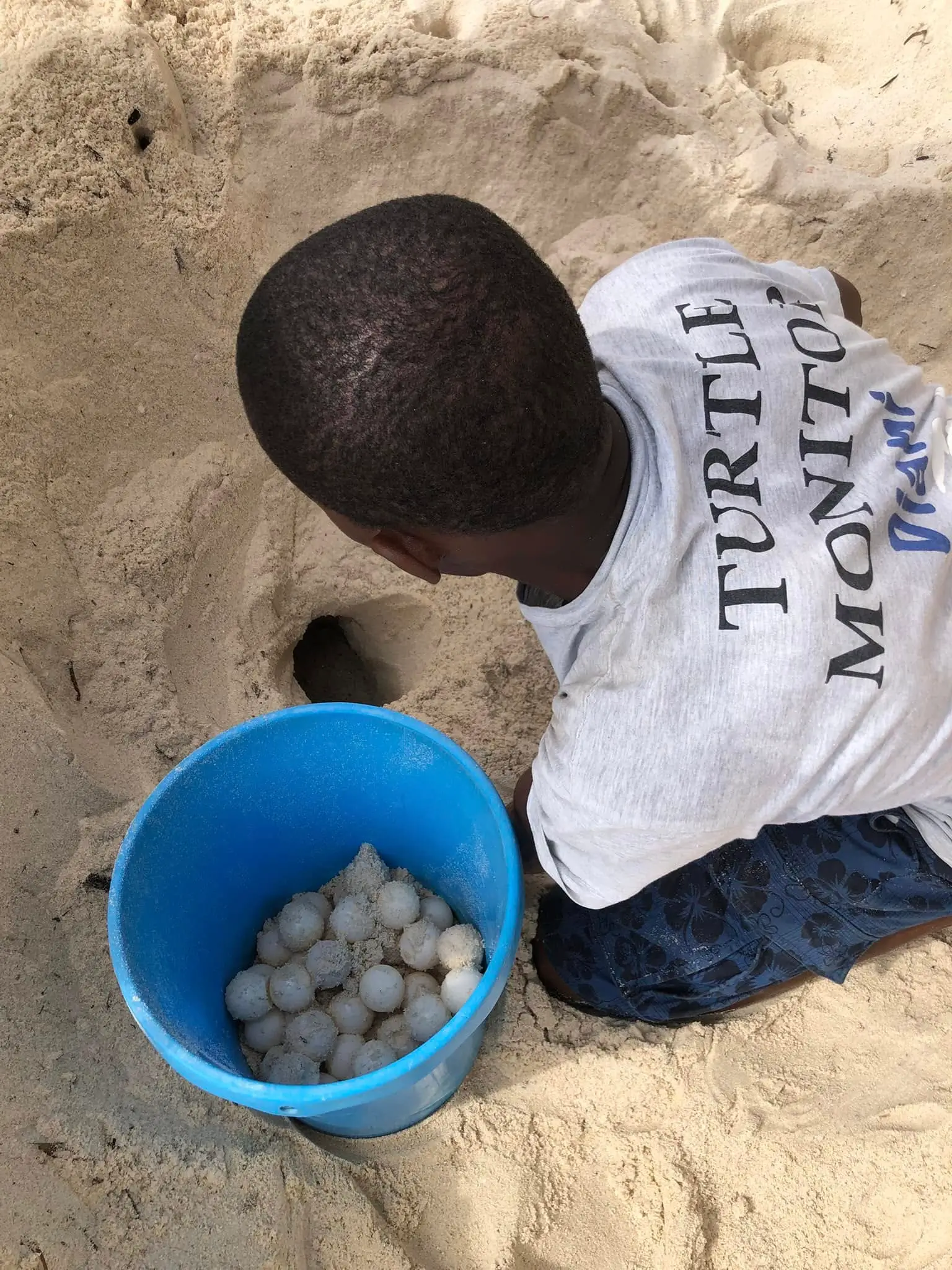
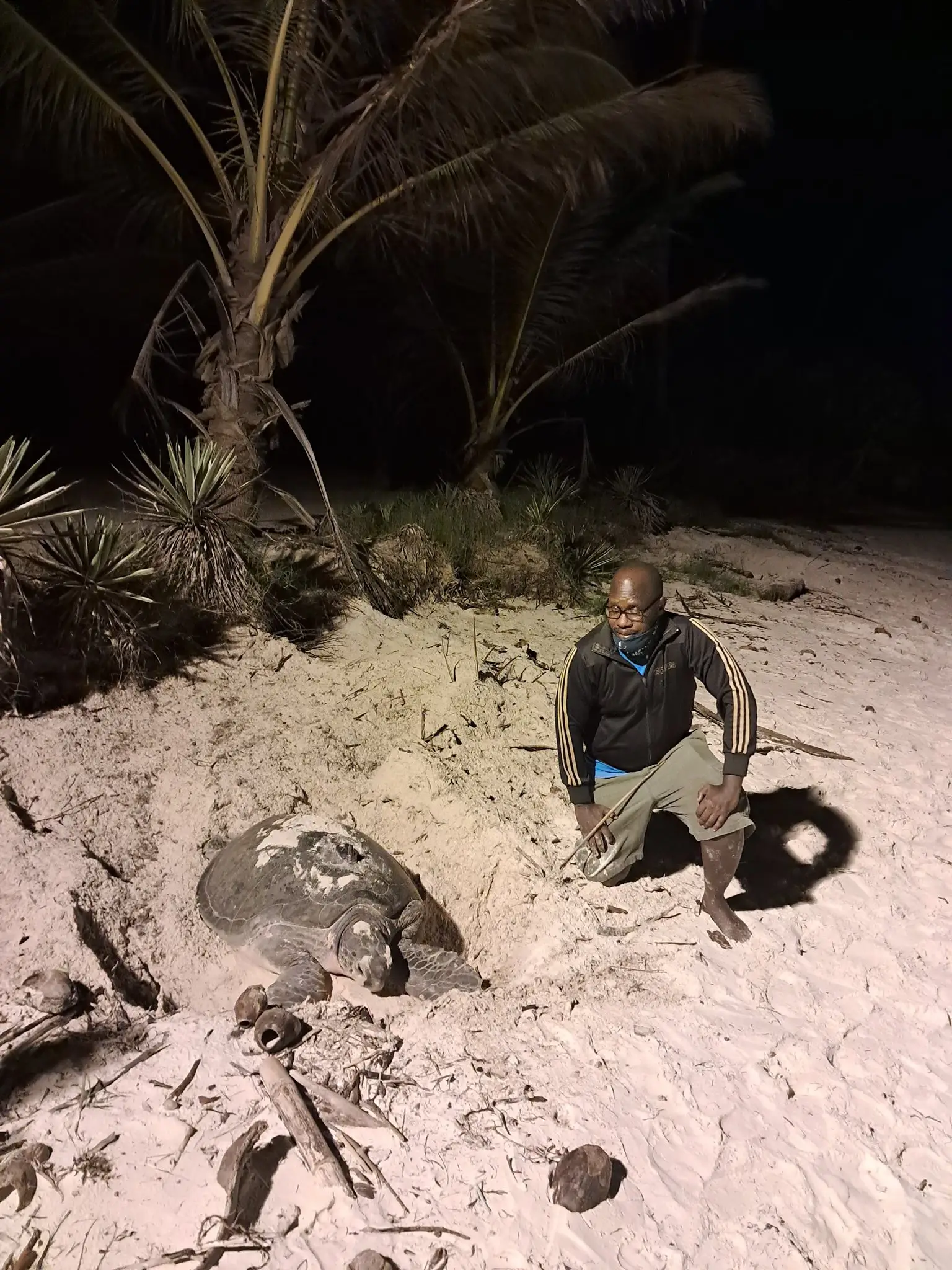
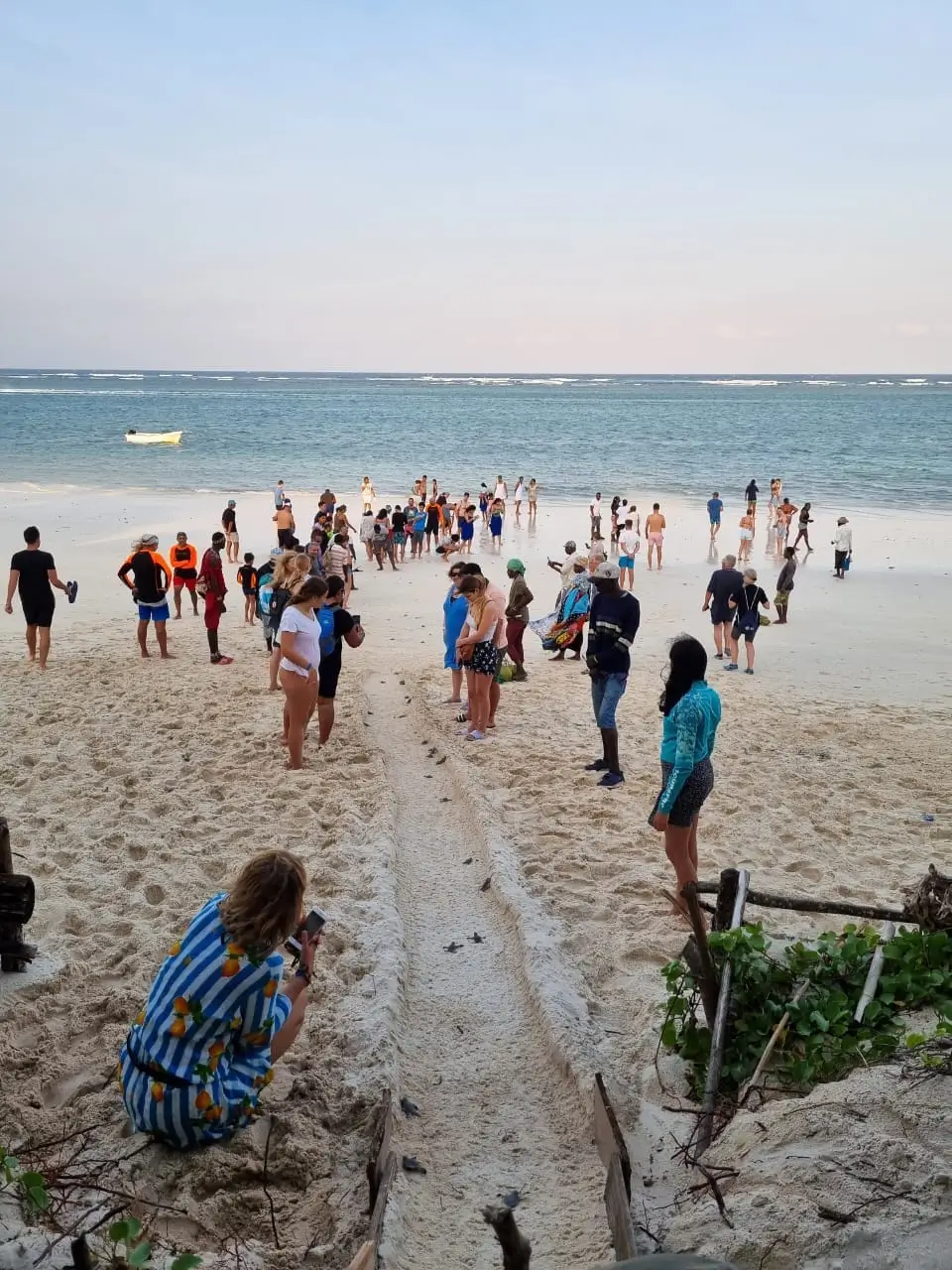
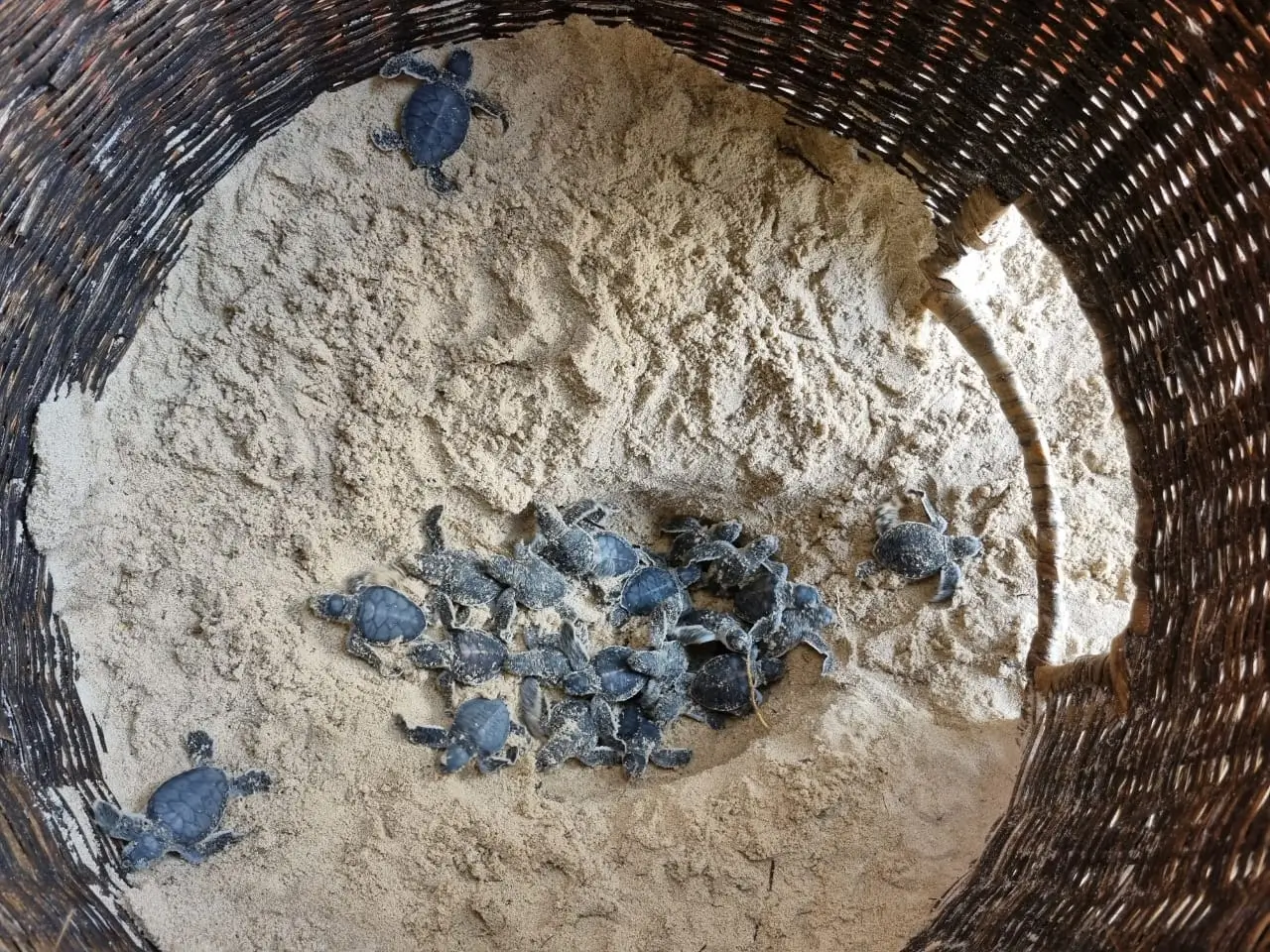
At first light, the horizon over Diani begins to glow, soft amber spilling across a calm, glassy sea that reflects the rising sun in shimmering fragments. A lone fisherman returning from a night at sea pauses as he notices an unusual movement along the high-water mark, a dark shape slowly dragging itself across the sand. Drawing closer, he realises it is a sea turtle, heavy and deliberate in her motion, making her way back to the ocean after laying her eggs under the cover of darkness. A small group of early risers gathers in quiet amazement as she slips beneath the waves, her ancient task complete. Within minutes, a response team arrives, moving with practised precision as they read the tracks, record data, and locate the hidden nest. Carefully, the eggs are unearthed and relocated to safer ground, protected from high tides, invasive ants, predators such as dogs and mongoose, and the threat of poaching, where they will be monitored through their fragile incubation. Weeks later, the sand stirs to life as dozens of tiny hatchlings burst to the surface and, in a frantic rush, make their way toward the sea, each one beginning a perilous journey beyond the horizon and each one a testament to the quiet, determined efforts of those working to ensure their survival.
The Species at Stake
The warm, nearshore waters of Diani Beach host three primary species of sea turtles, the green turtle (Chelonia mydas), the hawksbill (Eretmochelys imbricata), and the olive ridley (Lepidochelys olivacea), each playing a distinct and essential ecological role within coastal and marine ecosystems. Green turtles, largely herbivorous, graze on seagrass beds, a process that keeps this vegetation trimmed, healthy, and nutrient-rich, ultimately supporting a wide array of marine life that depends on these habitats. Hawksbill turtles, on the other hand, are specialised spongivores, feeding primarily on reef sponges and thereby preventing them from outcompeting corals, which helps maintain the structural complexity and biodiversity of reef systems. The olive ridley turtle, often regarded as a keystone species, serves as an important indicator of ocean health, with its presence and population trends reflecting the overall condition of marine environments. Together, these species form an integral part of the ecological balance along Kenya’s south coast, linking seagrass meadows, coral reefs, and open ocean systems in a delicate but vital network.
Against the Odds
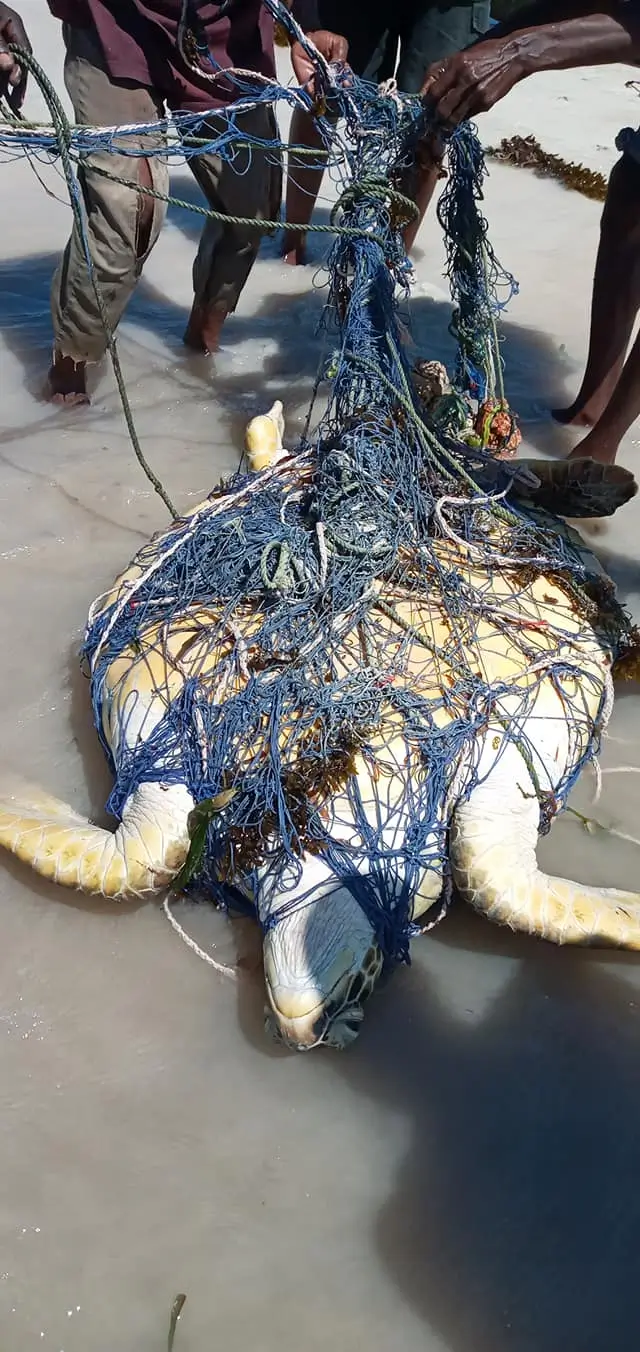
Throughout their life cycle, sea turtles face a relentless gauntlet of threats both on land and at sea. Along nesting beaches, rapid coastal development, marked by seawalls and other structures, combined with artificial beachfront lighting deters nesting females from coming ashore, while the same lighting disorients emerging hatchlings that instinctively rely on the moon’s reflection on the ocean to guide them seaward. Even within the safety of the sand, nests are vulnerable to predation by stray dogs and mongoose, while invasive fire ants can infest nests, destroying eggs and attacking hatchlings before they even reach the surface. Those that do emerge must immediately evade crabs and crows waiting to prey on them. Nesting females themselves are not spared, often hunted for meat and their eggs illegally collected for consumption. For the few hatchlings that successfully make it to the ocean, the dangers persist; predation by barracuda, snapper, sharks, and other marine predators is constant. As they grow into juveniles and adults, turtles must navigate an increasingly hazardous marine environment, avoiding shark attacks, vessel collisions, and entanglement in ghost nets, while also facing direct exploitation by humans. Compounding these threats is the pervasive presence of plastic pollution, which turtles frequently mistake for food, leading to ingestion that can prove fatal.
Diani Turtle Watch
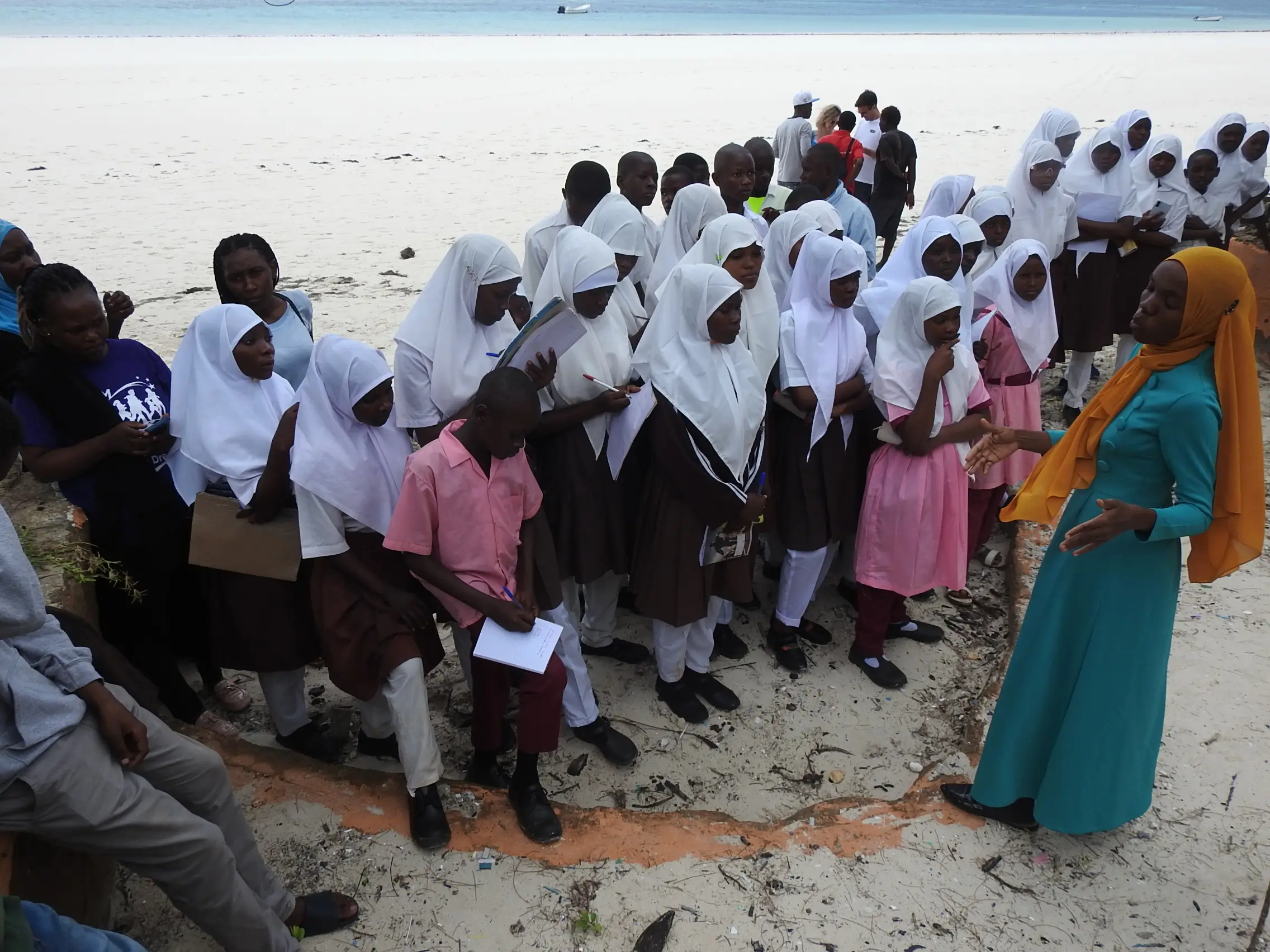
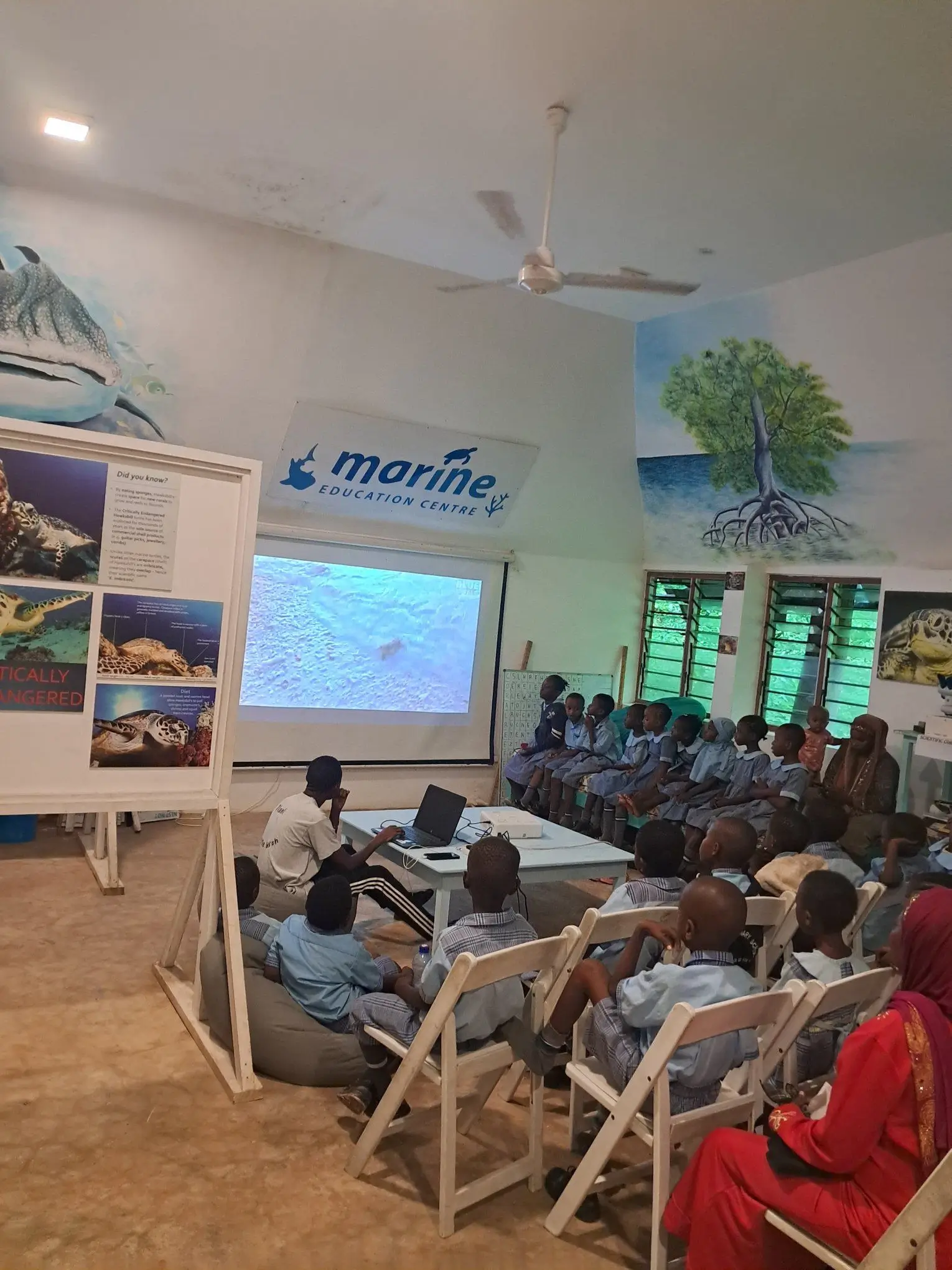
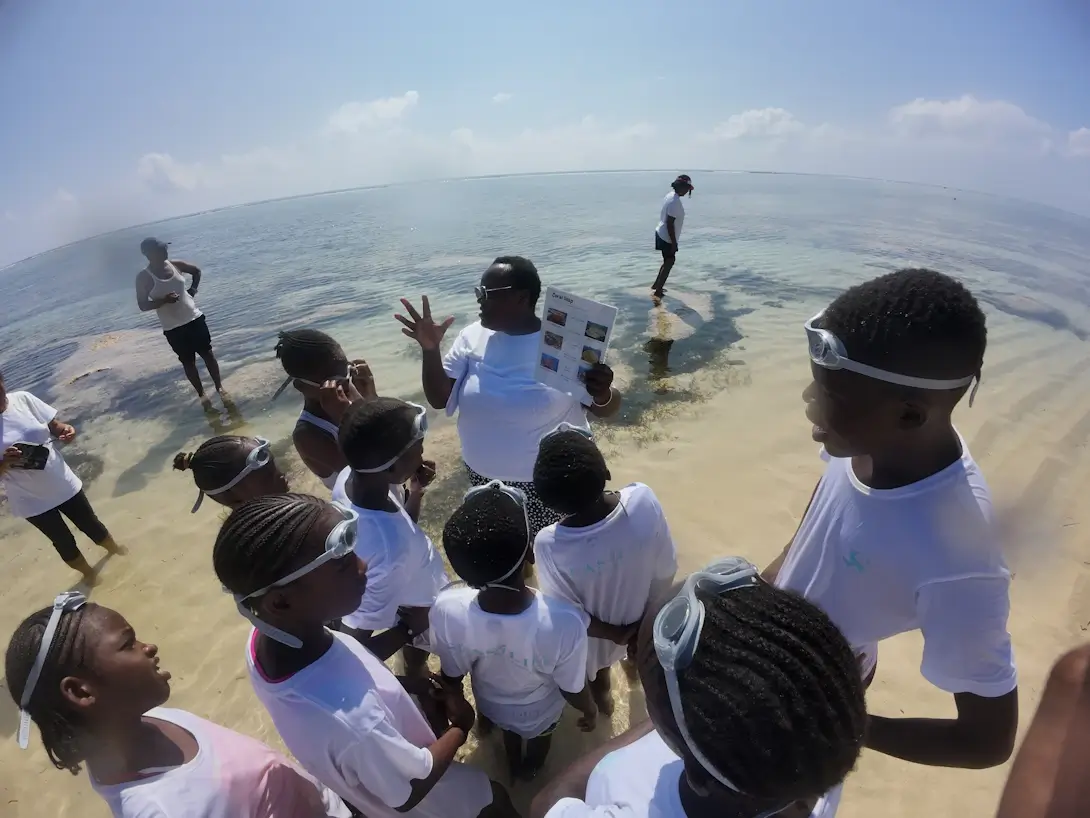
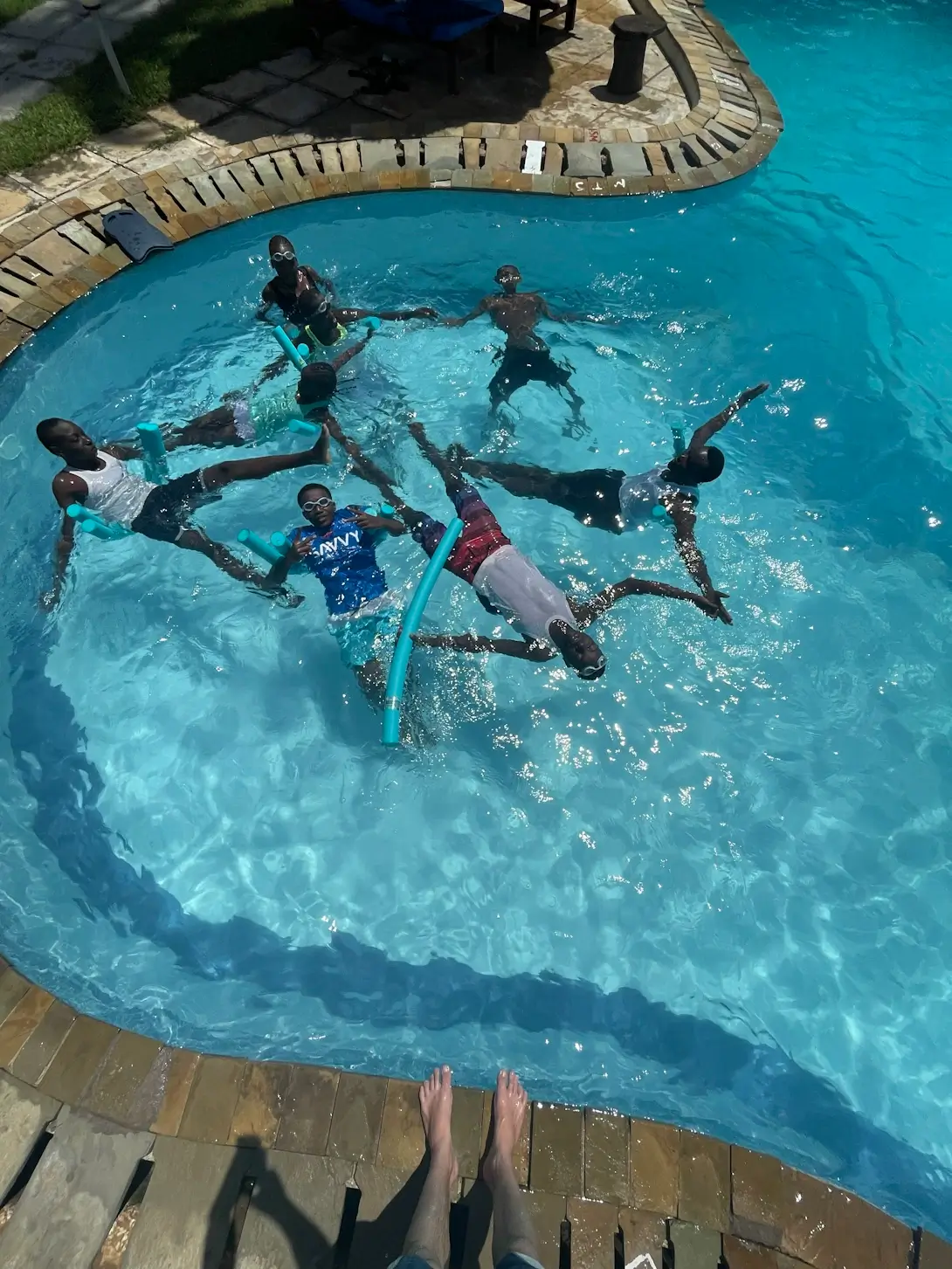
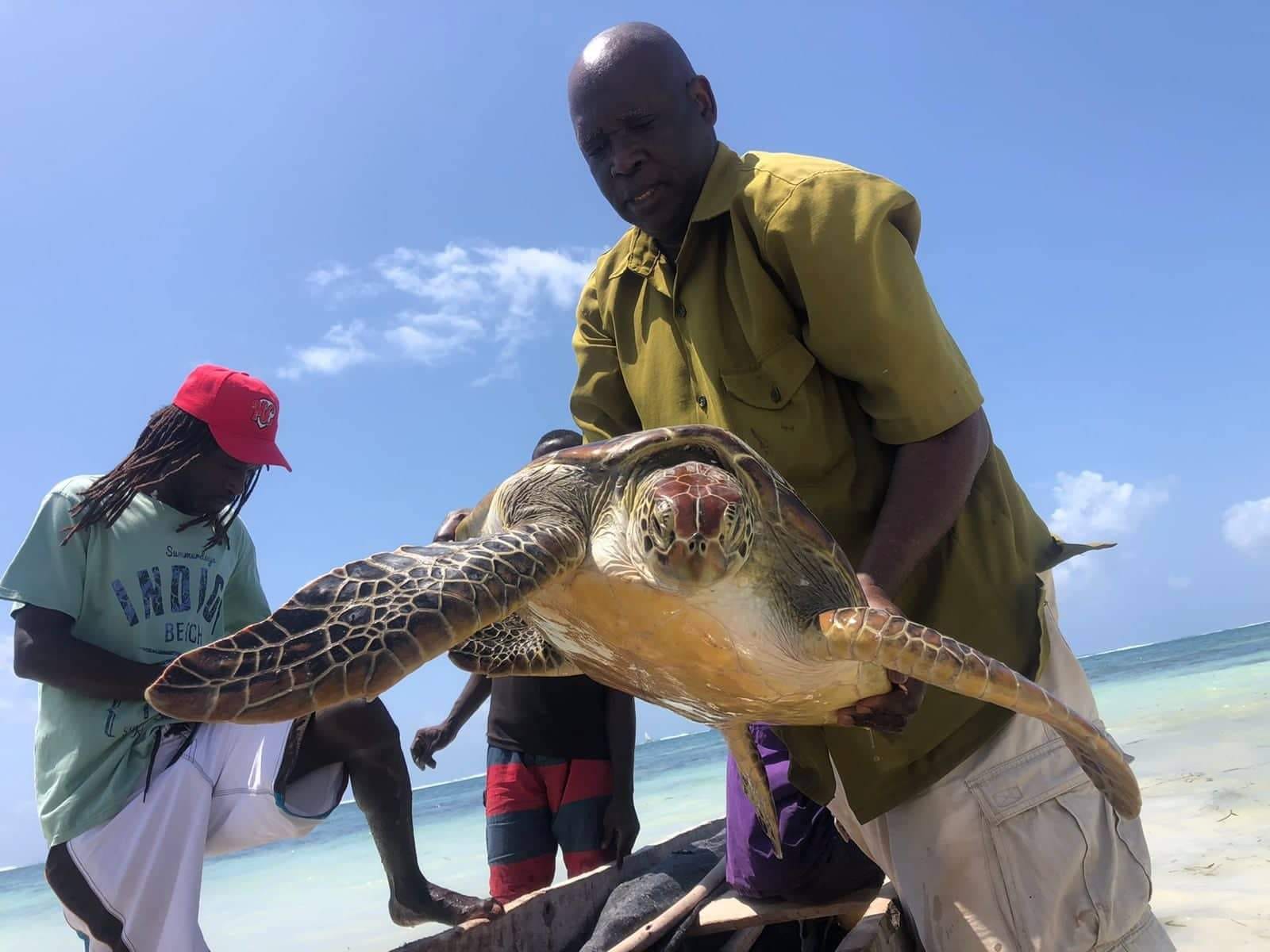
Operating out of the Marine Centre at Nomad Beach Resort, Diani Turtle Watch, a programme of Local Ocean Conservation, has developed a conservation model that meaningfully incorporates the community into its core operations. At the core of this approach is a straightforward but very effective system of trained turtle monitors from the local community, who handle various sea turtle emergencies, such as nesting events, strandings, getting caught in fishing nets, and anti-poaching patrols done with the Kenya Wildlife Service. Fishermen and other beach operators are strongly encouraged to report incidents through direct communication channels. This turns what used to go unnoticed or unreported into the beginning of timely rescue and intervention efforts. Equally central to this model is a robust education and awareness programme that engages visiting schools, local communities, and tourists, offering insights into marine conservation and promoting responsible behaviour while interacting with coastal ecosystems. Together, these efforts reflect a broader shift in conservation strategy, one that fosters local ownership and participation, repositioning communities not as threats but as immediate and effective allies in safeguarding marine life.
From Bystanders to Stewards
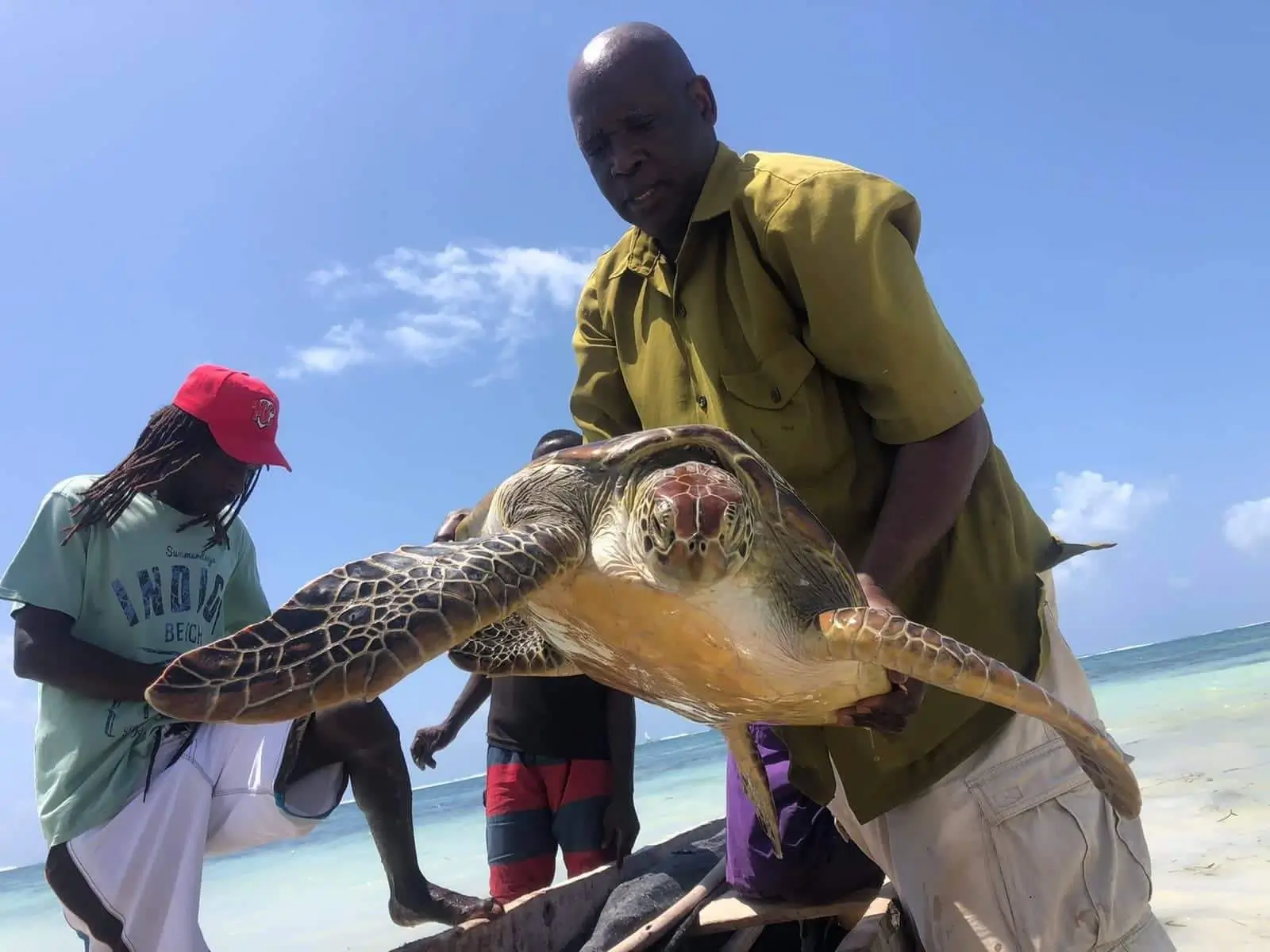
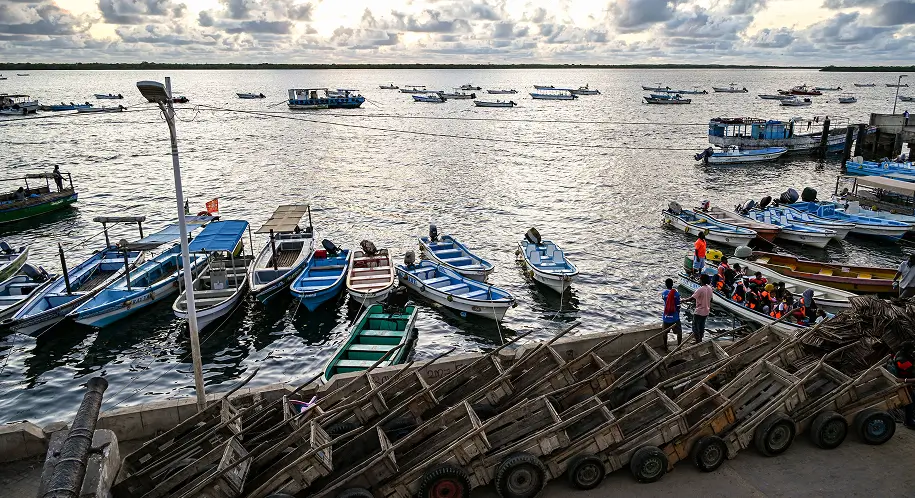
A decade ago, an encounter between a fisherman or beach operator and a sea turtle, whether offshore or along the sand, would often have proved fatal for the animal; today, those same individuals are the first to alert conservation teams the moment a turtle is spotted in distress. This transformation did not happen overnight; it has been built steadily through years of sustained engagement in the field, consistent presence, and ongoing dialogue with coastal communities. As understanding deepened, perceptions shifted, and turtles came to be recognised as vital components of a shared marine ecosystem. That shift is now visible in everyday action: fishermen actively assist in disentangling turtles accidentally caught in fishing nets, ensuring their safe release back into the ocean, while beach operators promptly report nesting activity and strandings as they occur. What was once indifference, or even harm, has evolved into active stewardship, a change that directly translates into measurable conservation outcomes.
The Power of a Phone Call
Along Diani Beach, one of the most significant shifts in sea turtle conservation has come not from new technology or policy, but from people, local fishers and beach operators who now act swiftly when a turtle-related incident occurs. With growing awareness and a sense of stewardship, community members are increasingly reporting nesting activity, distressed turtles, and suspicious behaviour in real time, triggering rapid conservation responses. As a result, more sea turtle nests are being identified, secured, and monitored, significantly improving hatchling survival rates; turtles accidentally entangled in fishing nets are being rescued and released; and incidents of illegal egg collection have notably declined as community vigilance increases. This culture of prompt reporting has effectively transformed the coastline into a network of watchful guardians, where timely information directly translates into stronger, more measurable conservation outcomes.
Unfinished Work
Despite notable gains in community-led conservation, sea turtles along Kenya’s south coast continue to face persistent and evolving challenges. Vessel strikes remain a recurring threat, with a steady number of dead turtles reported each year as marine traffic increases. More concerning is a subtle but troubling rise in turtle killings at sea by unidentified sailors, emphasising gaps in surveillance and enforcement. Along the shoreline, rapid coastal development, particularly the construction of seawalls, continues to fragment critical nesting habitats, leading to a gradual decline in suitable nesting grounds. Compounding these pressures are enduring funding constraints, which limit the scale, reach, and consistency of conservation interventions, ultimately affecting the ability to respond effectively to emerging threats and sustain long-term protection efforts.
Where Conservation Finds Its Strength
Along Diani Beach, one lesson stands out: community integration is not optional; it is essential. Conservation efforts that align with local realities and livelihoods are far more likely to endure, as they are shaped within the social and economic fabric of the people who interact with the ocean every day. This approach fosters ownership and long-term commitment and bridges the gap between science and society. Data gathered through turtle monitoring and rescue responses contributes to a deeper, evidence-based understanding of marine ecosystem health, while continuous community engagement ensures that this knowledge is grounded in lived experience.
A Shared Future
As the tides rise and fall along Diani Beach, the boundary between land and sea is endlessly reshaped, mirroring a deeper shift in the relationship between people and the ocean. The beachboy who makes the early morning call, the response team that arrives with urgency and purpose, and the children discovering marine life at the Marine Centre are all part of a growing network of ocean stewards. Their actions, though often small and immediate, collectively safeguard species that have journeyed across the world’s oceans for millennia.
Along Kenya’s south coast, the guardians of the shore are redefining what conservation looks like and who it belongs to. As each hatchling slips beneath the waves, it embodies a shared effort rooted in community integration, guided by knowledge, and sustained by a common commitment to the ocean’s future.