
Mariners for Action-MFA
Introduction
Coastal socio-ecological systems along the Kenyan shoreline are undergoing significant
transformation, driven by the combined pressures of climate variability, overexploitation of
marine resources, and limited livelihood diversification. Small-scale fisheries, which
contribute substantially to food security and household incomes, have shown declining catch per unit effort in many parts of the Kenyan coast, reflecting both ecological stress and increased fishing pressure. For communities whose economic identity and resilience have historically been anchored in fishing, this decline has translated into heightened vulnerability, income instability, and reduced adaptive capacity.
Through ongoing engagement in biodiversity conservation and climate-related interventions over the past three years, it has become increasingly evident that environmental degradation and socio-economic precarity are closely linked. Conservation efforts that do not adequately account for livelihood realities often face limitations in long-term effectiveness. This has informed a gradual shift in programming toward integrating livelihood considerations within conservation frameworks. It remains difficult to meaningfully engage communities on climate change where immediate food security concerns are unresolved.
Within this context, a culturally grounded ecotourism model has been developed to explore how ecosystem stewardship might align with income generation, while reinforcing cultural identity and community agency.
Problem Statement and Context
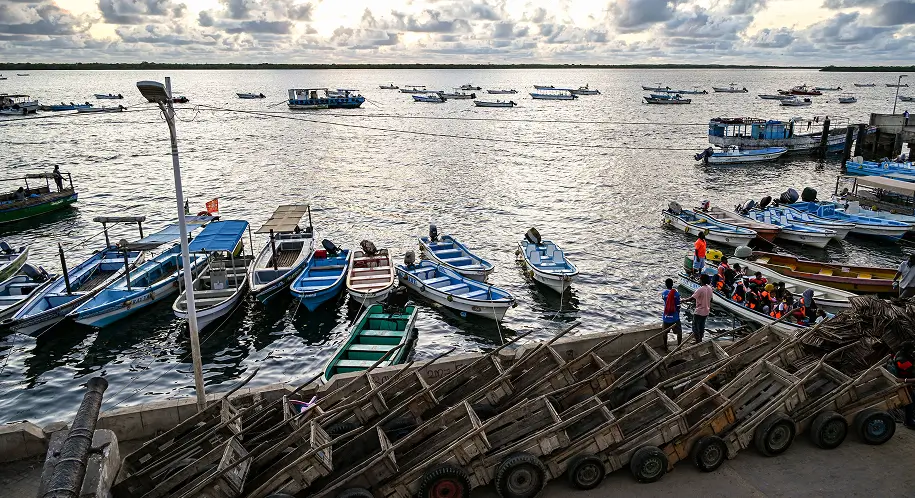
The Kenyan coast is characterized by a high dependence on natural resources, with fisheries employing a significant proportion of coastal households either directly or indirectly. However, declining fish stocks, habitat degradation particularly of mangroves and coral reefs and increasing climate variability, alongside unsustainable fishing practices such as bottom trawling, have contributed to reduced productivity within these systems.
At the same time, tourism along the coast has largely remained externally driven, with limited integration of local communities into value chains beyond low-wage employment. This has contributed to economic leakage, where a considerable share of tourism revenue does not translate into meaningful local benefit.
The challenge, therefore, lies in exploring models that can retain value within communities while supporting ecosystem conservation, in ways that are economically viable and culturally appropriate.
The Ecotourism Model
The ecotourism model is designed as a locally anchored, systems-oriented intervention operating at the intersection of conservation, culture, and enterprise. It is based on the premise that communities are not only beneficiaries but also custodians of ecological and cultural resources.
Efforts have been made to support local capacity in ecological interpretation, tour guiding, hospitality, and cultural documentation. Particular attention has been given to documenting oral histories, indigenous ecological knowledge, and traditional practices, with the aim of maintaining and communicating these elements to visitors in a respectful manner.
The model seeks to create linkages between conservation and livelihoods by generating modest economic value from intact ecosystems such as mangrove forests, thereby contributing to incentives for sustainable resource use.
Program Design and Methodology
The design of the program follows a participatory and iterative approach, grounded in community engagement and adaptive learning. Initial stages involved consultations to identify existing skills, cultural assets, and ecological resources that could be incorporated Into an ecotourism framework.
Capacity-building activities have focused on areas such as guiding, safety protocols, hospitality standards, and environmental education. These have been accompanied by organizational support to community groups to strengthen coordination and management.
Monitoring and feedback mechanisms have been incorporated to allow for adjustments based on visitor experiences, ecological conditions, and community priorities. This approach is intended to ensure that the model remains responsive to changing circumstances.
Program Architecture and Functional Components
Cultural performance forms an important component of the model, with organized groups presenting traditional music, dance, and storytelling rooted in coastal heritage. These are situated within broader narratives of environmental stewardship and historical connections to marine ecosystems.
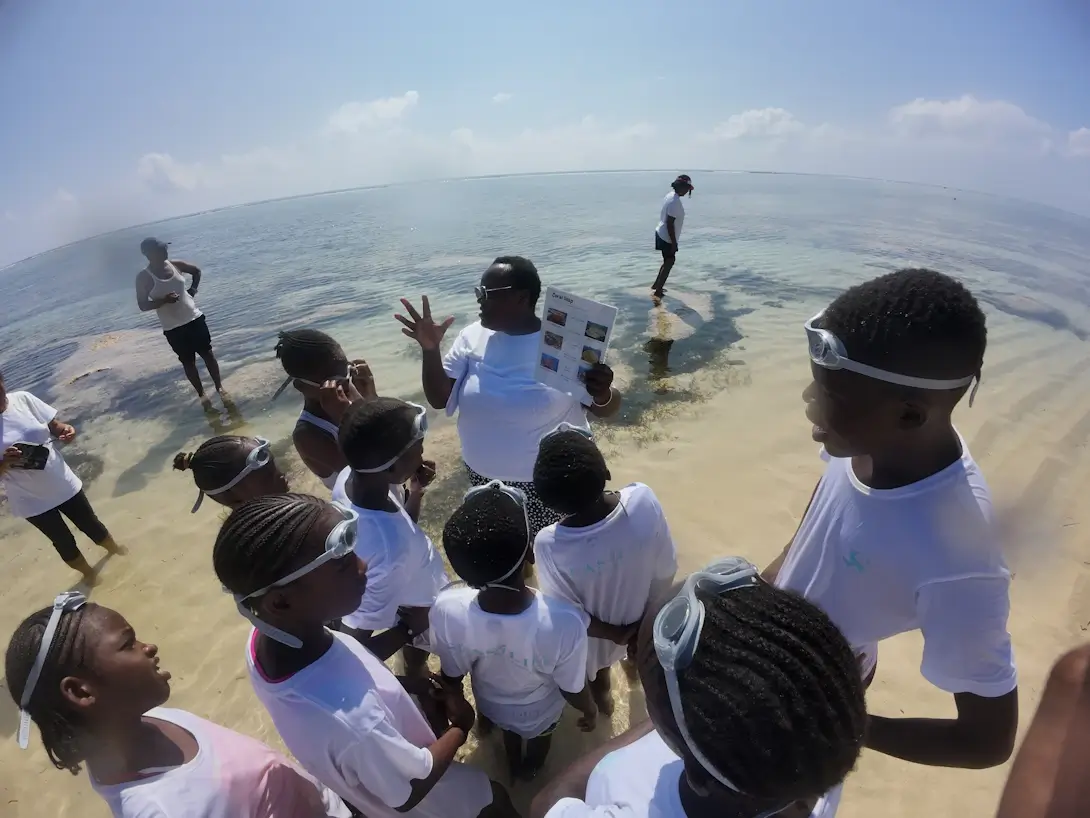
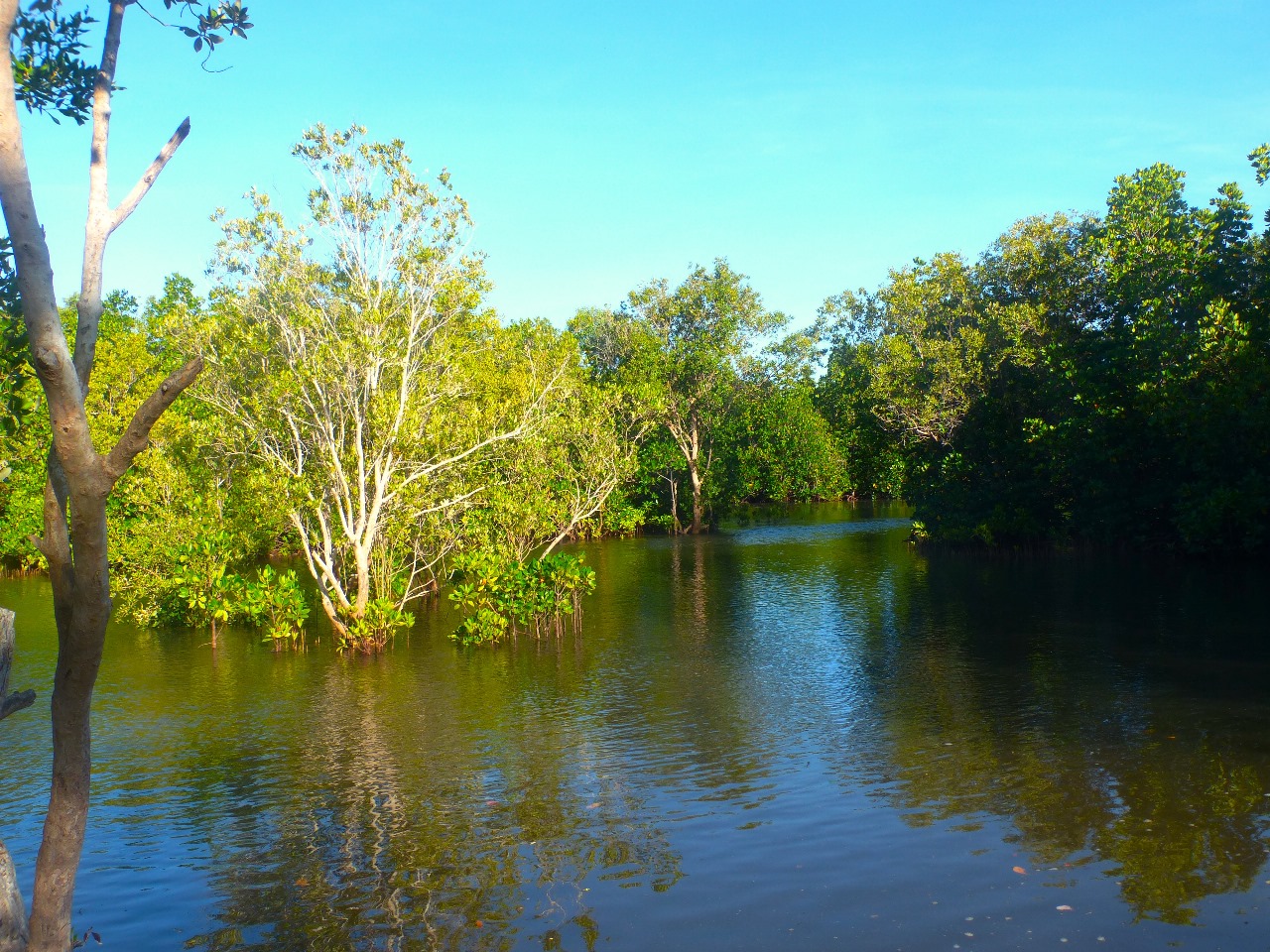
A group of trained community guides, largely composed of youth, facilitates experiential learning within mangrove systems. These guided activities integrate basic ecological Interpretation to help visitors understand ecosystem functions and services. In parallel, small scale initiatives around repurposed plastic products have been introduced, linking environmental awareness with income-generating activities.
Visitors are also given the option to participate in conservation-related activities such as sea turtle monitoring, hatchling release, mangrove restoration, and beach clean-ups, allowing for more interactive engagement with local ecosystems.
Implementation Sites and Ecological Context
The program is currently being implemented across two sites along the Kenyan coast, each reflecting different ecological and cultural contexts.
In Mtwapa Maweni, activities are centered around marine conservation, particularly sea turtle monitoring. Community participation has contributed to ongoing efforts to improve hatchling survival and raise awareness on marine biodiversity.
In Marereni, a community cultural center provides a space for cultural expression and ecological engagement. The Jerena cultural group plays a central role at this site, presenting elements of Pokomo and Giriama traditions, while nearby mangrove ecosystems are used for guided learning activities.
Salt pan areas that occasionally attract flamingo populations add to the ecological interest of the site, while basic camping facilities support longer visitor stays and modest additional income generation.
Partnerships and Stakeholder Engagement
The program is supported through collaboration with community groups, local leaders, conservation practitioners, and tourism actors. These relationships help maintain a balance between local ownership and external engagement.
Community-based organizations have been particularly important in facilitating participation and coordination, while linkages with tourism networks have contributed to visibility and access to visitors.
Impact and Outcomes
To date, 87 women associated with the Jerena cultural group have been involved in program activities, contributing to supplementary income opportunities. Youth participation has also been notable, with 145 youth engaged in tourism-related services and 468 participating in mangrove restoration and related activities.
In addition to income-related outcomes, there are indications of increased environmental awareness and participation in conservation activities, alongside renewed interest in cultural practices.
Ecologically, community involvement has contributed to ongoing efforts to protect mangrove systems and support biodiversity monitoring, although longer-term assessment remains necessary.
Sustainability and Scalability
The model presents some potential for sustainability, particularly where it builds on locally available ecological and cultural resources. This may help reduce reliance on external inputs while supporting community ownership.
Revenue from tourism activities contributes to covering some operational needs, though variability in visitor numbers highlights the importance of diversified income streams.
Conclusion and Call to Action
This community-driven ecotourism initiative represents an ongoing effort to explore more integrated approaches to coastal development, bringing together ecological considerations, cultural practices, and livelihood needs. It reflects a broader attempt to position communities more centrally within conservation and local economic systems.
As environmental and economic pressures continue to affect coastal regions, there is a need for practical, context-sensitive approaches that can be adapted and improved over time.
We welcome partnerships and collaboration with development agencies, conservation, organizations, financiers, private sector actors, and impact investors who are interested in supporting the gradual strengthening and scaling of this approach. Such collaboration could help refine the model, expand its reach, and contribute to more sustainable and inclusive coastal livelihoods.