LEAF
https://www.theleafcharity.com/mangroves
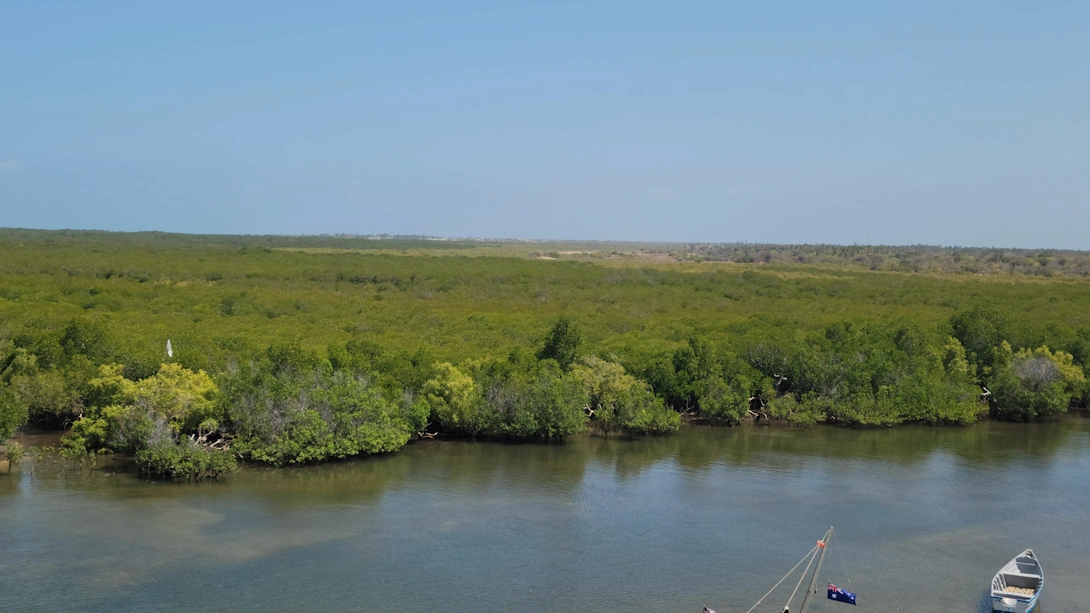
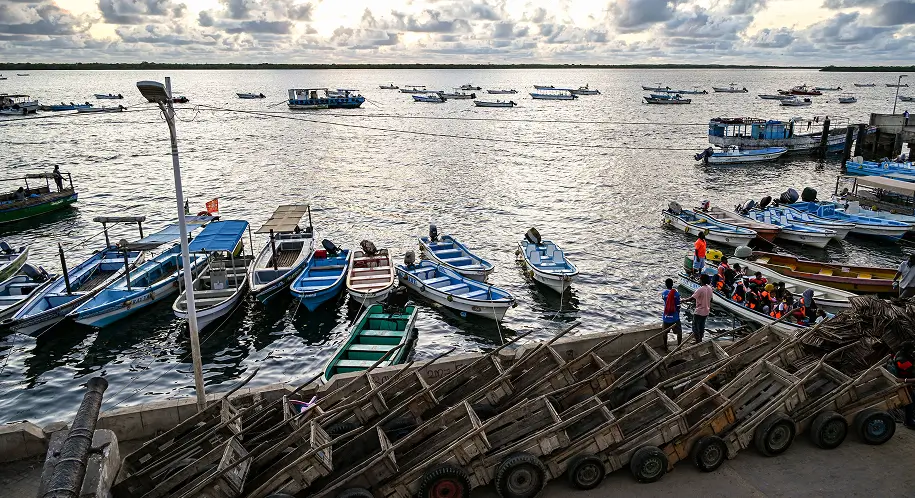
Along the salty creeks of Kilifi County, a quiet transformation has become a movement. To date, LEAF Kenya has planted over 1,125,000 mangroves across Kilifi Creek, Takaungu Creek, Mtwapa Creek, and the Sabaki Estuary. This is the story of Groovin’ with the Mangroves, our community-led restoration drive. But it is also a story about what comes next: how a proven model of mangrove restoration, rooted in community ownership and scientific rigour, can be scaled to protect coastlines, revive fisheries, and build climate resilience for generations to come.
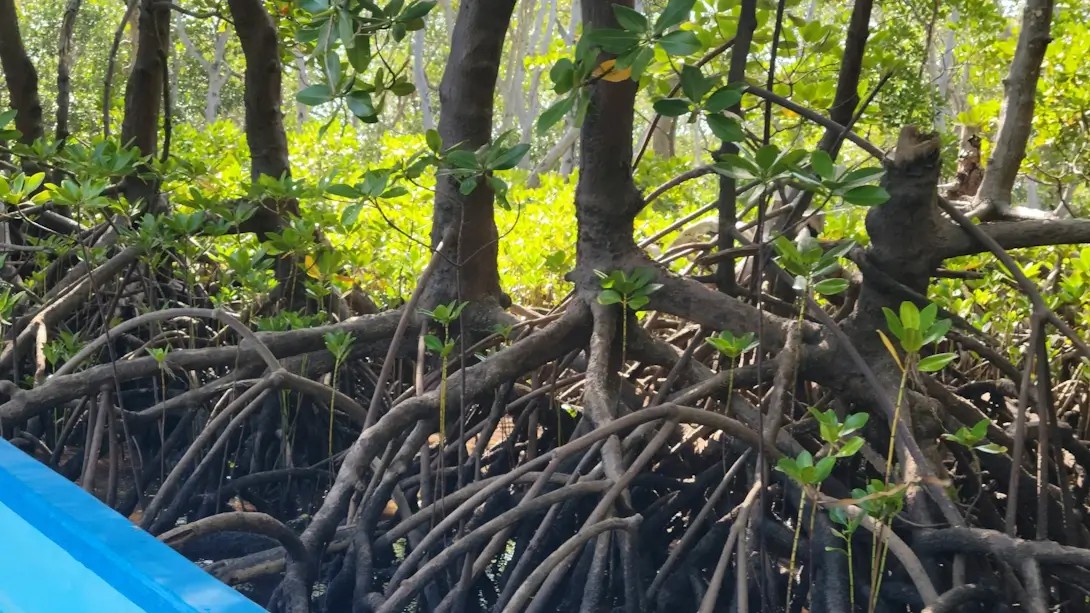
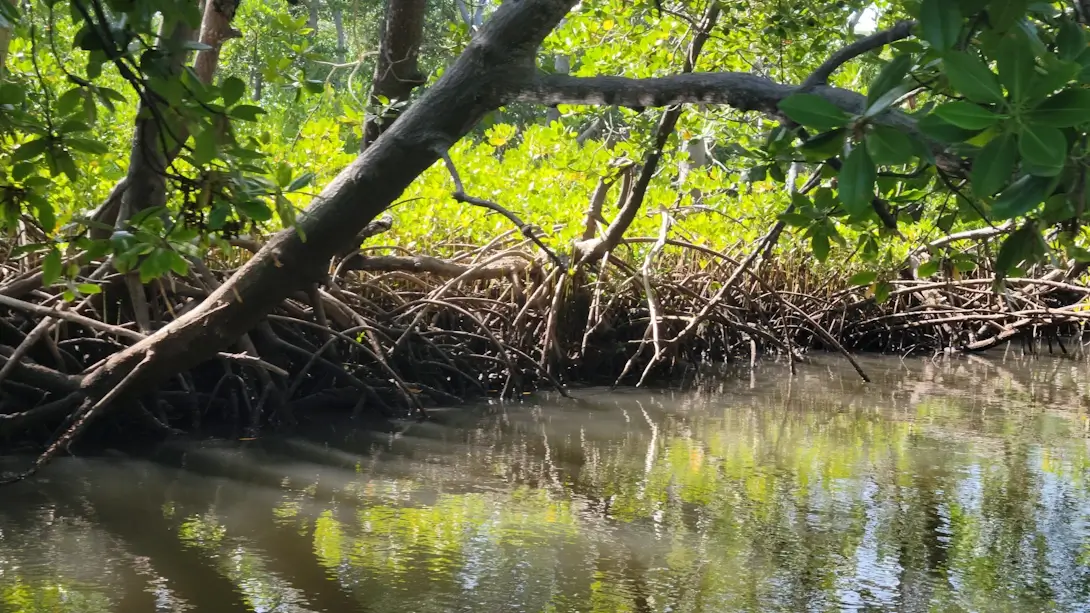
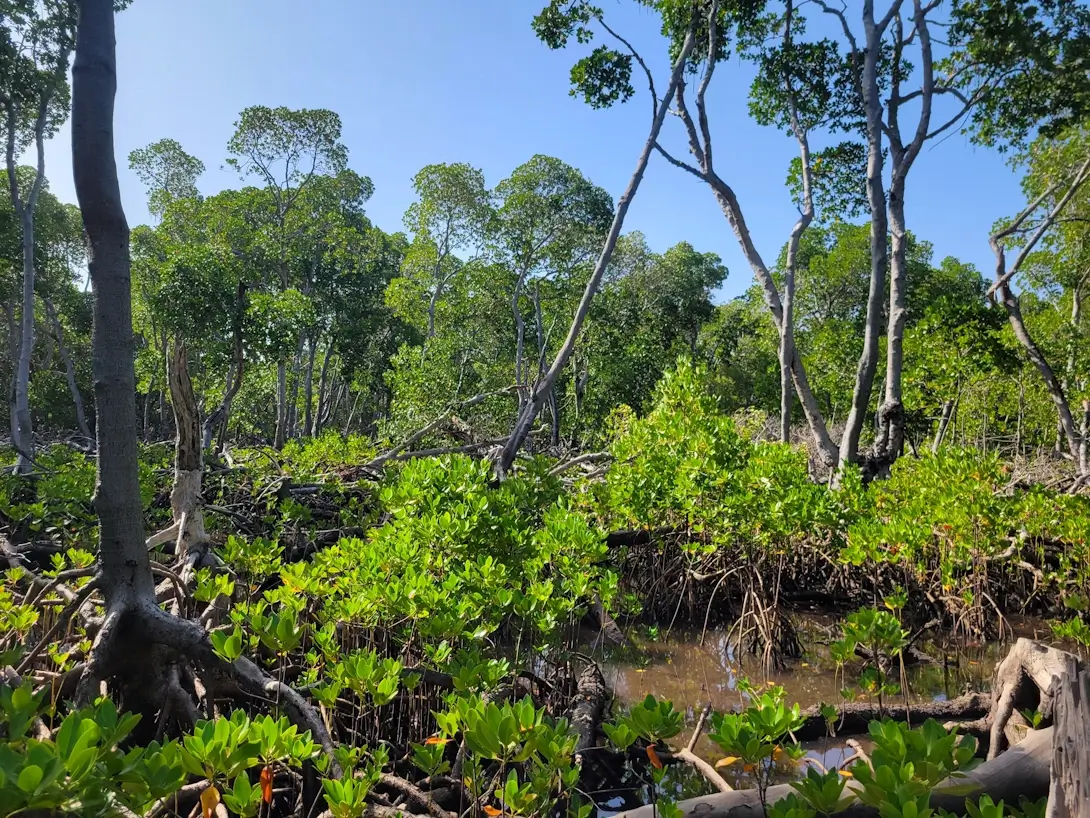
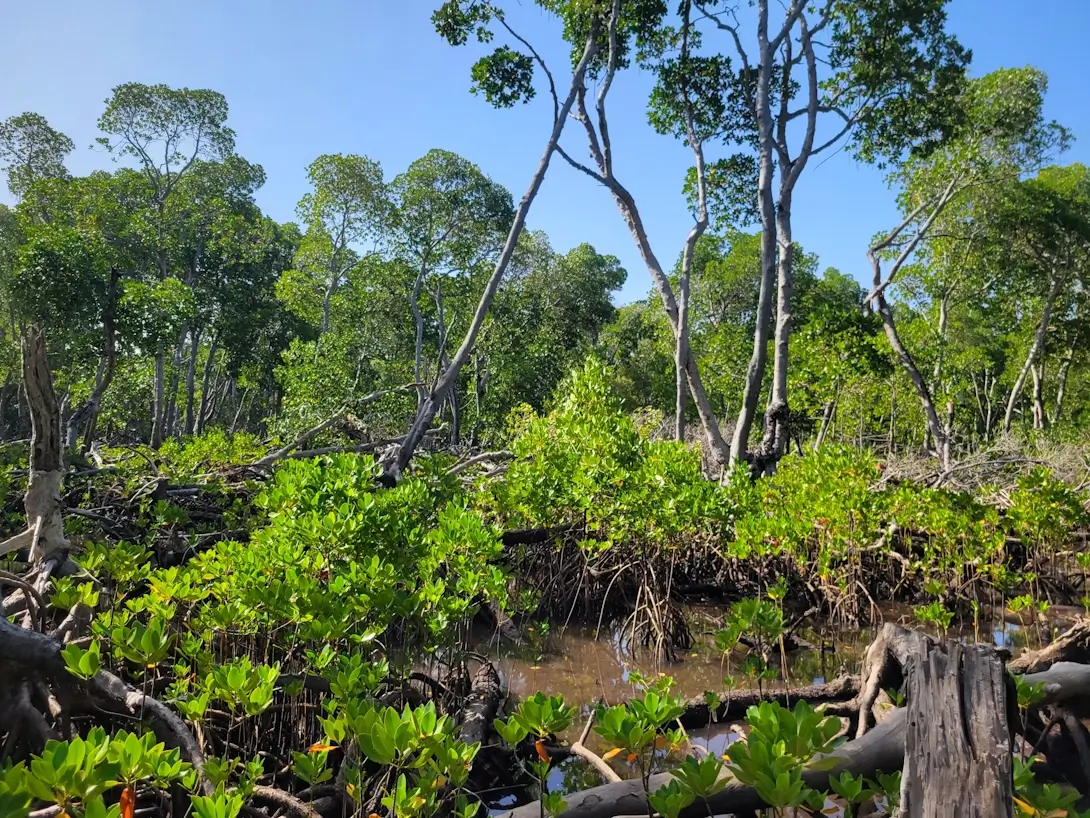
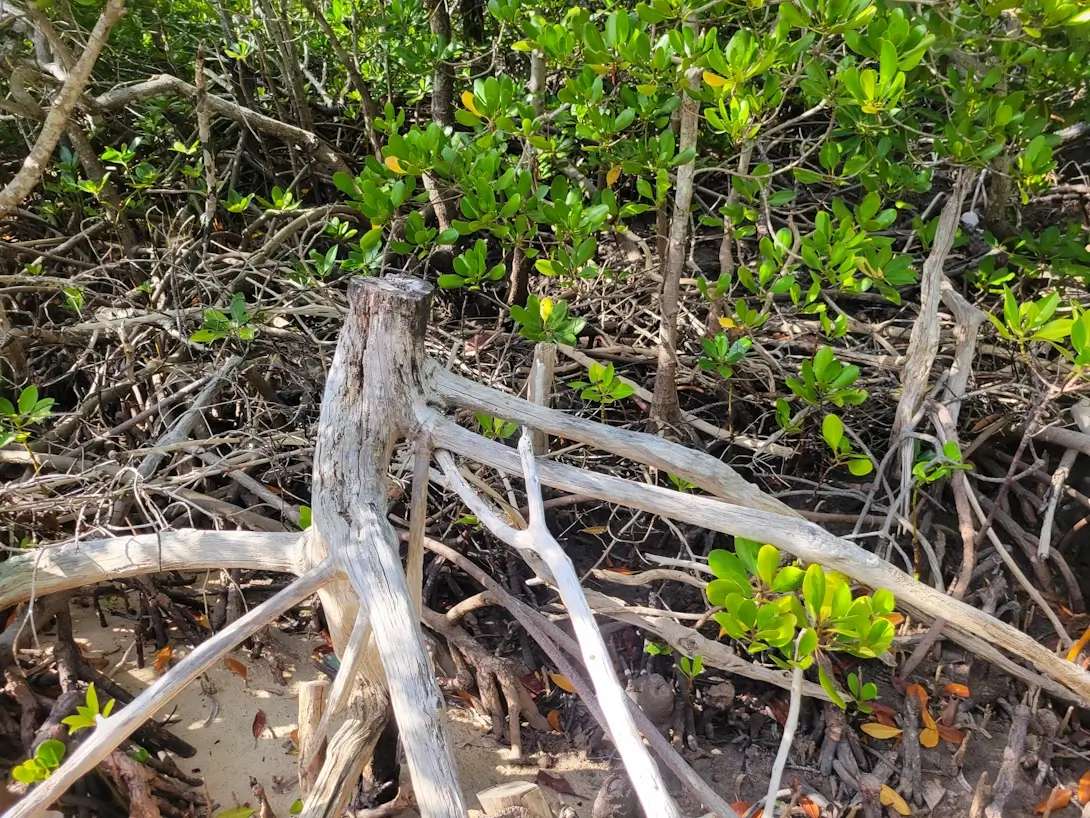
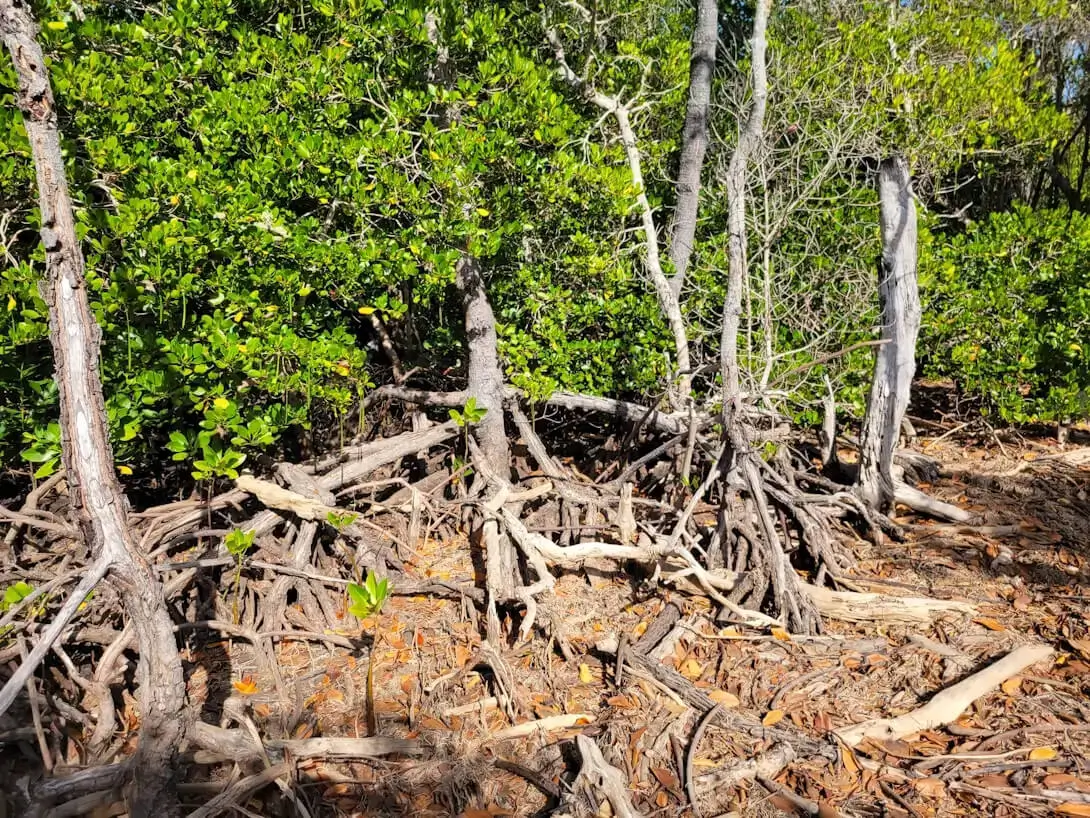
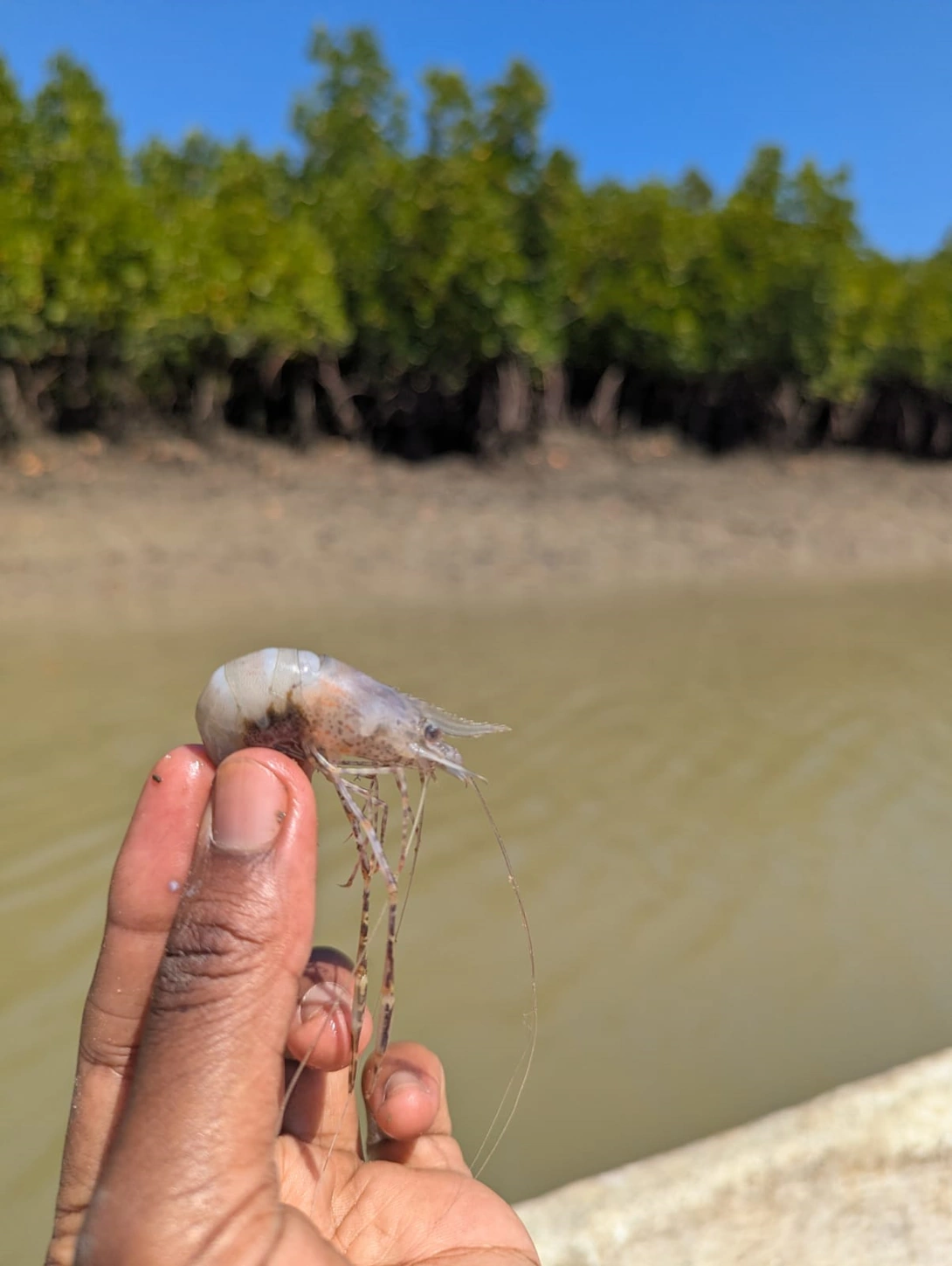
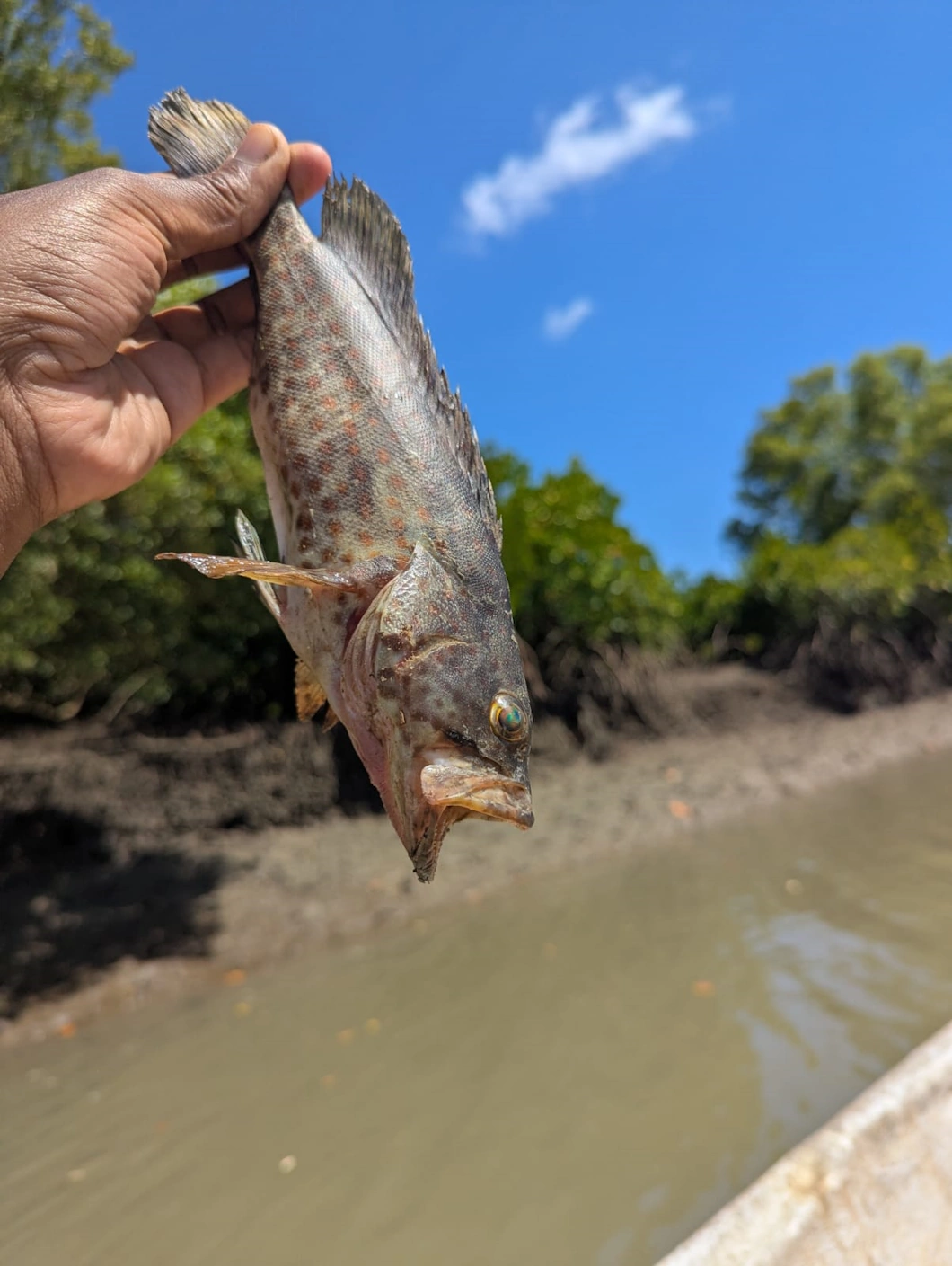
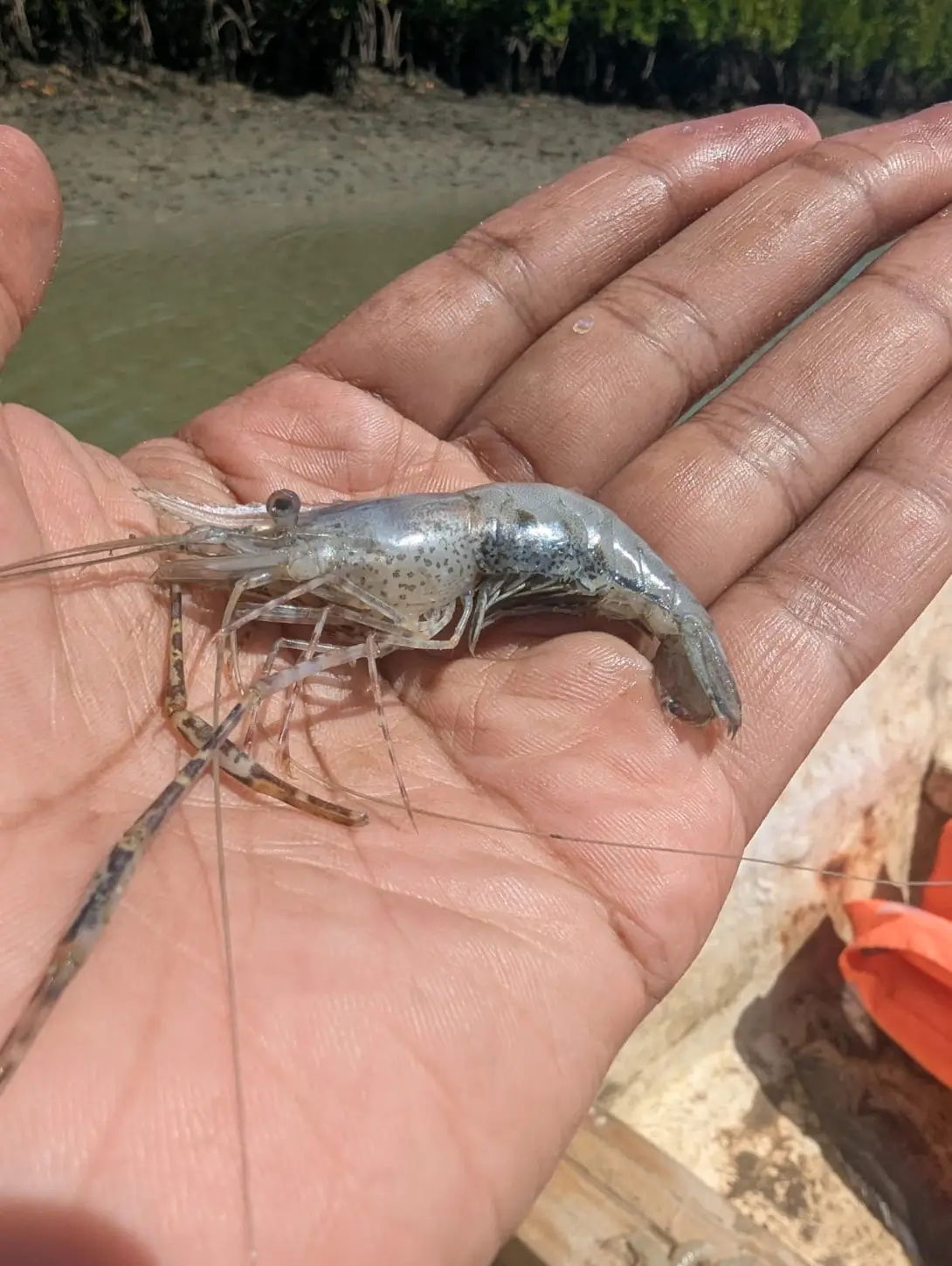
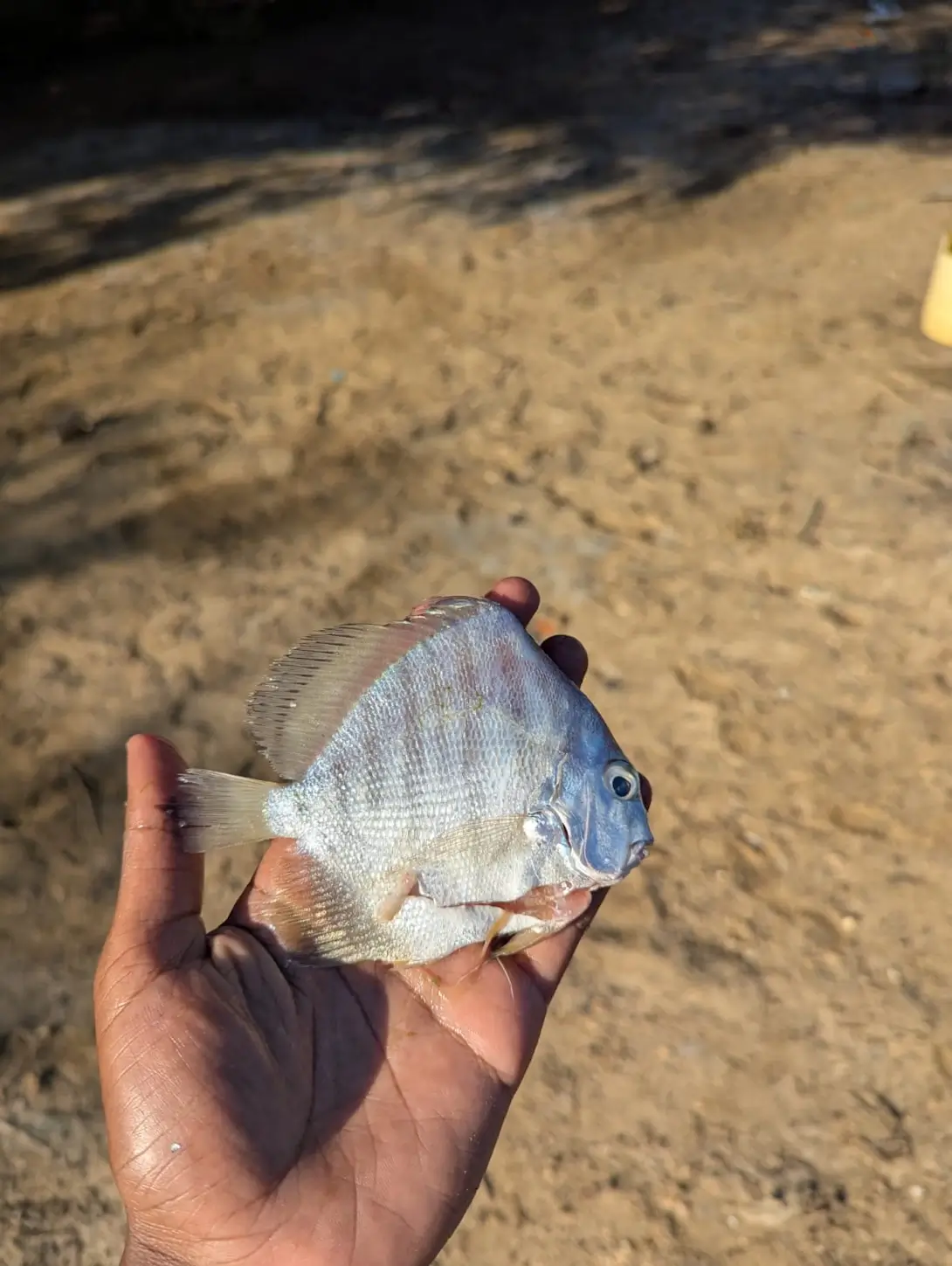
Mangrove forests are among the most productive ecosystems on Earth. Their tangled root systems absorb the force of incoming waves, protecting coastal communities from storm surges and rising seas. They are nurseries for fish, crabs and prawns, a vital source of protein and income for millions. They filter pollutants from coastal waters,and sequester carbon at rates that far outpace most forests, locking away “blue carbon” in both the trees and the oxygen-deficient soils beneath them. Yet despite these superpowers, mangroves are being destroyed across the East African coast. Swathes are cut for firewood, while land is cleared for aquaculture. These activities offer short-term gains but sacrifice the long-term benefits: coastal protection, clean water, abundant fisheries and climate resilience. In Kilifi County, LEAF Kenya decided to act differently. We turned to the communities living alongside the creeks. The result is a restoration drive that is as much about social empowerment as it is about environmental protection.
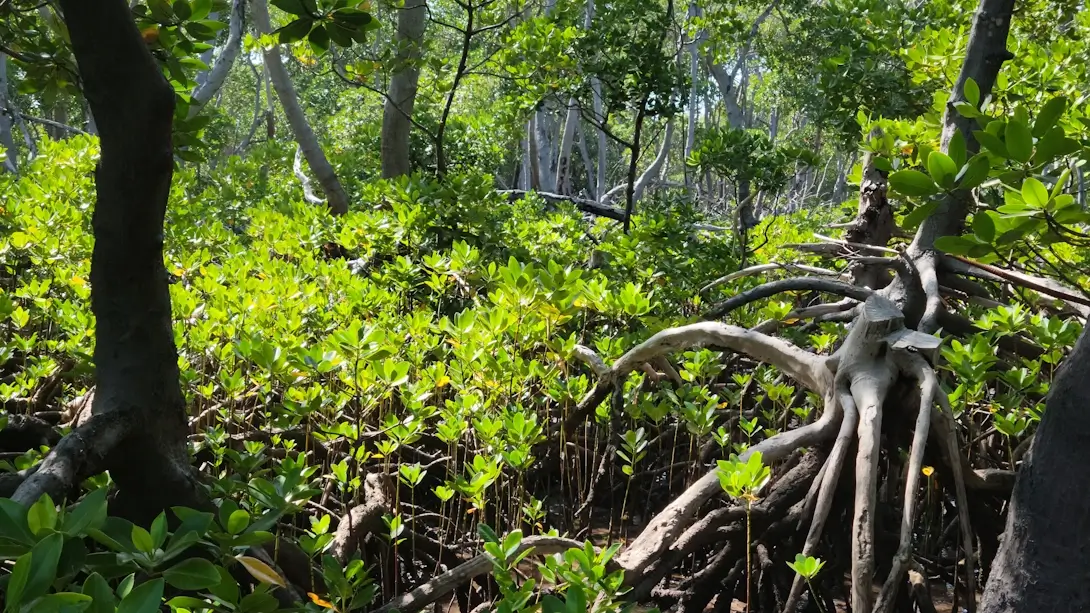
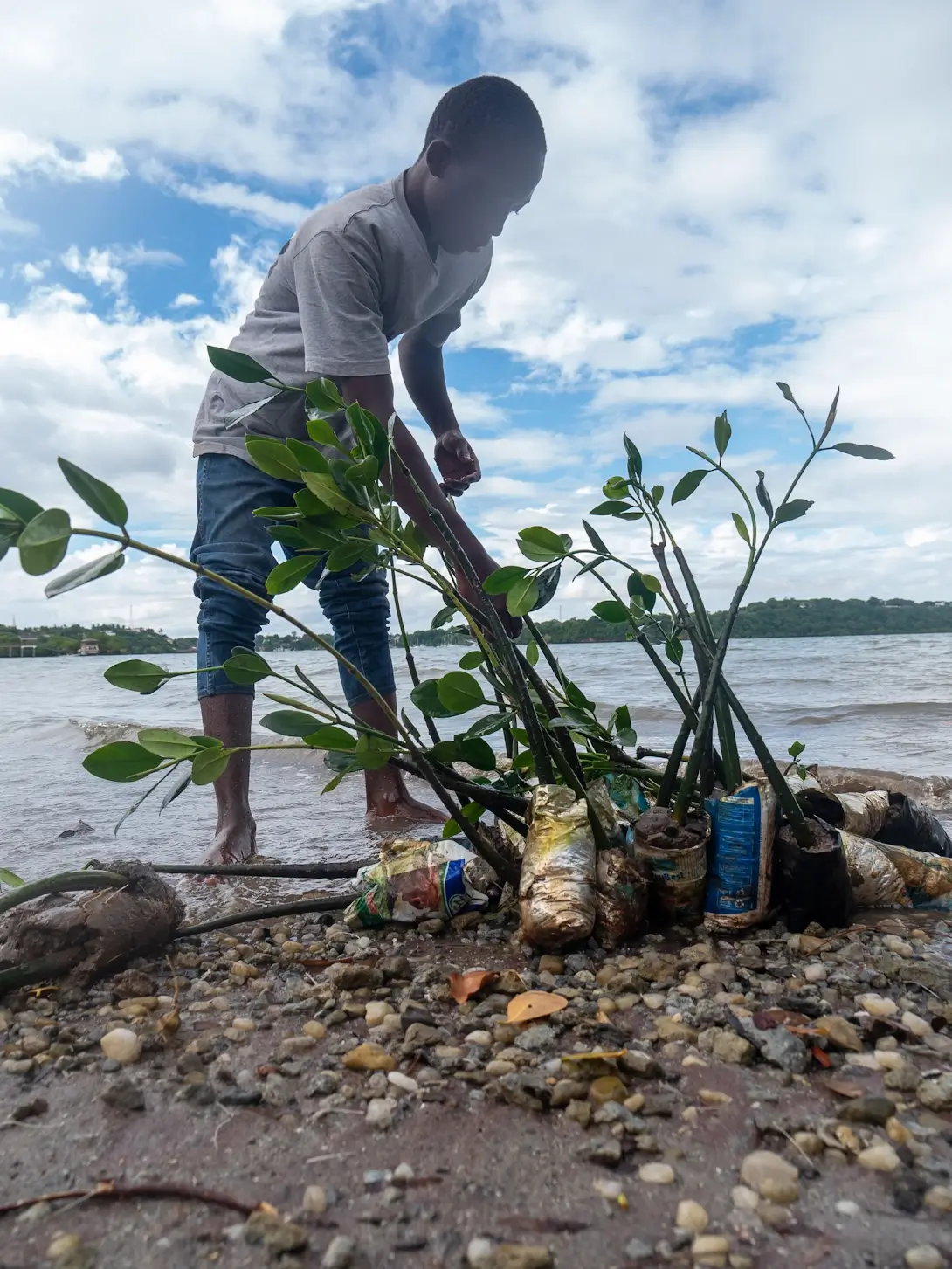
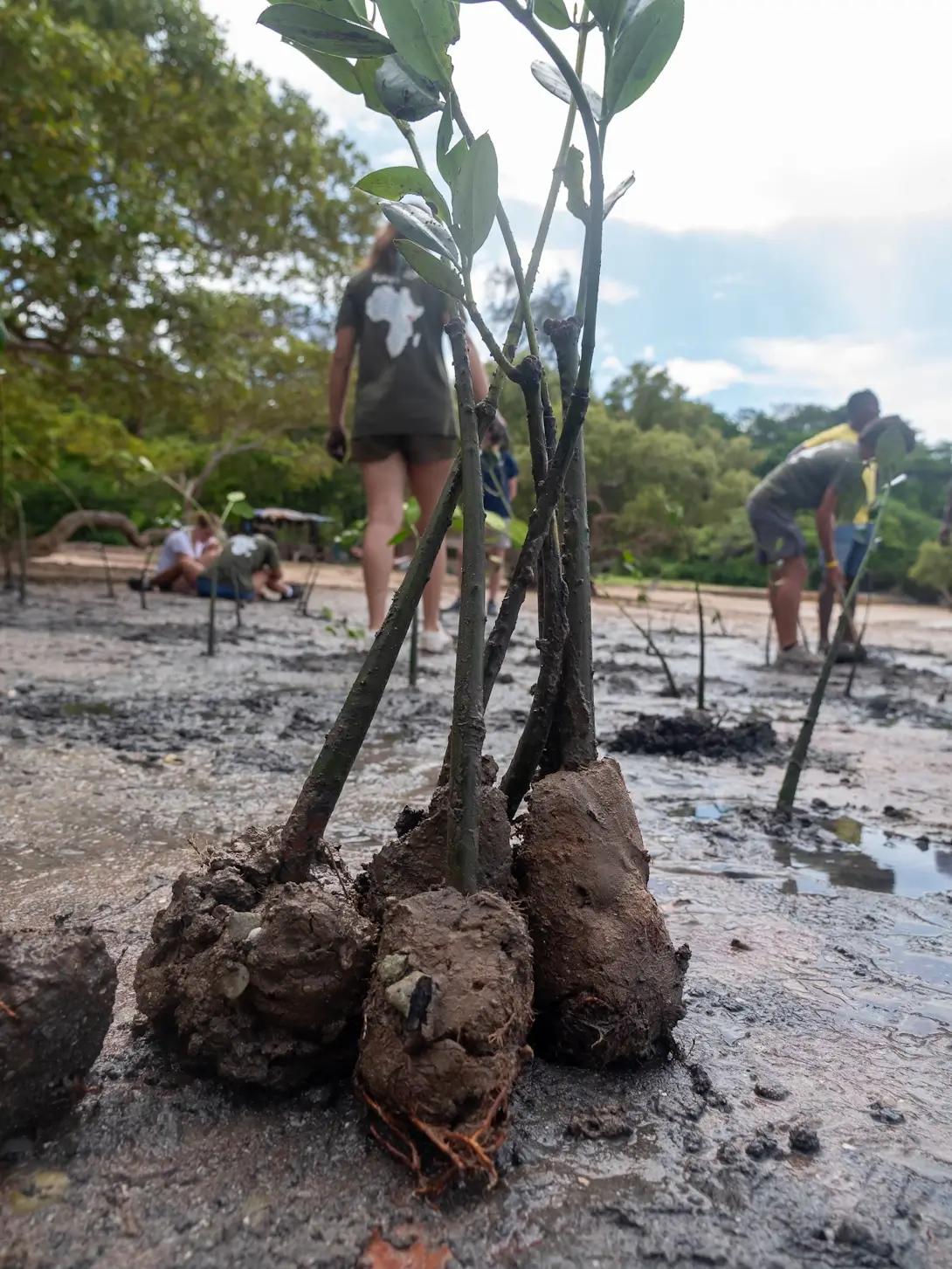
Working with Earthlungs Reforestation Foundation and a network of local community nurseries, we have planted 1,125,000 mangroves across four major creek systems. There are 9 Mangrove species along the Kenyan Coast. Each species has specialised adaptations, salt-filtering roots, floating propagules and intricate root structures, that help them thrive in the intertidal zone where few other plants can survive. By growing a diversity of species, we are rebuilding a functioning ecosystem. Our survival rates are equally compelling. With an overall survival rate of 80% after three years, we have learned that success depends less on the number of seedlings planted and more on the stewardship that follows after planting. Every surviving mangrove represents a partnership between our team, local nurseries and the families who guard these creeks as their own.
Building on this momentum, our Groovin’ with the Mangroves drive focuses on the next chapter. Over the next three years, we aim to restore an additional 450,000 mangroves. This will restore degraded mangrove forests while deepening community engagement and educational outreach. Mangroves offer a distinct advantage along the Kenyan coast because some species can be planted year-round. They thrive in the intertidal zone, where tidal cycles and saline conditions create a continuous planting window. This allows us to maintain steady nursery production, keeping the community engaged all season long and respond quickly to new restoration opportunities as they arise.
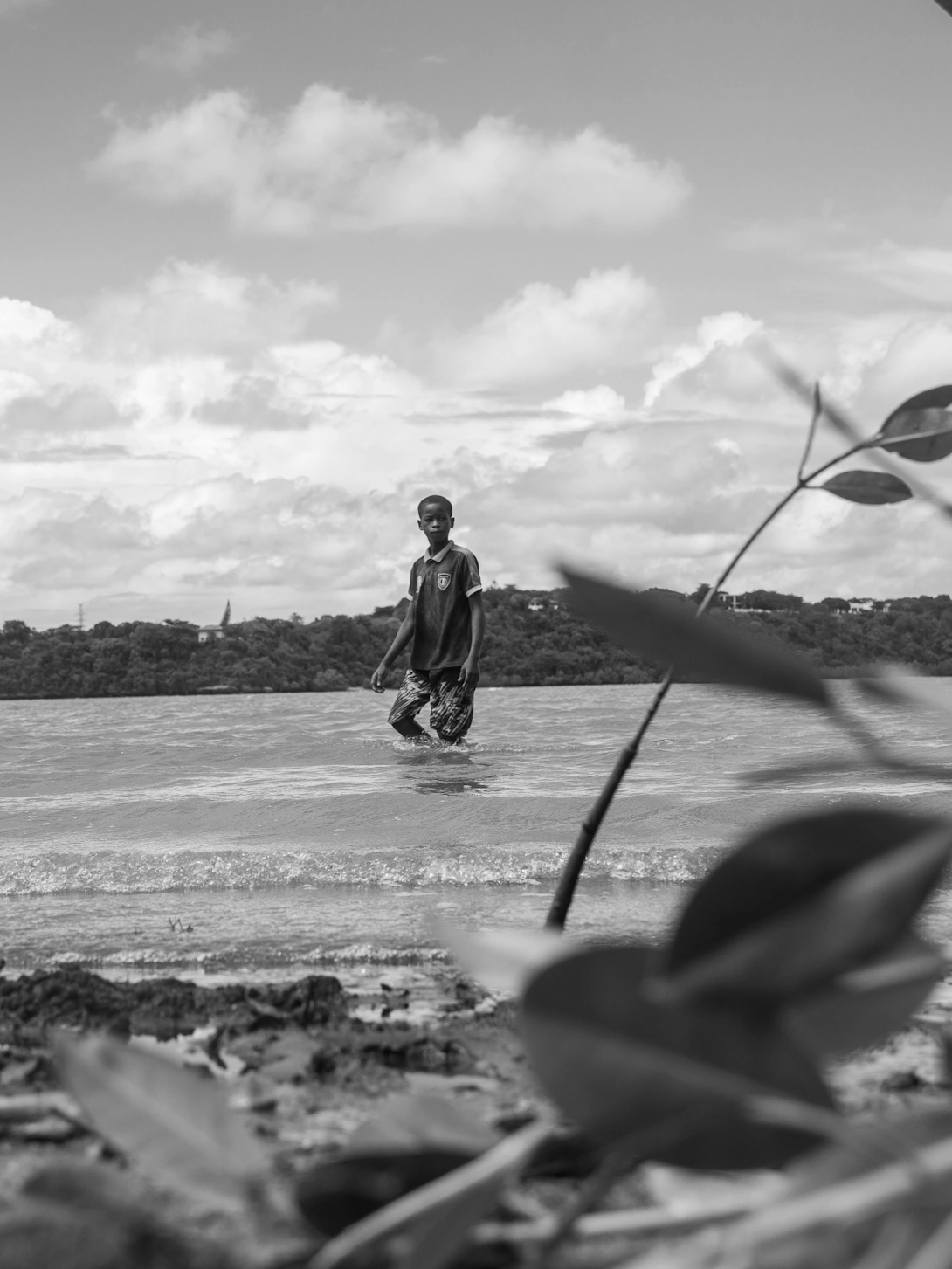
The restored mangroves deliver a cascade of benefits that reach deep into the surrounding coastal landscape. Within a 10-kilometre radius of our planting sites, over 90,000 local residents depend on the mangroves for their livelihoods and safety. These forests mean healthier fisheries. For communities facing rising sea levels and more intense storms, restored mangroves are the first line of defence, absorbing wave energy and reducing flooding. For wildlife, restored mangrove forests provide habitat for up to 400 bird and mammal species, from migratory waterbirds to monitor lizards. For the climate, the site has the potential to sequester over 400 tonnes of carbon annually, roughly equivalent to the emissions of 300 cars each year. And because mangrove soils store carbon for centuries, this is one of the most durable nature-based climate solutions available.
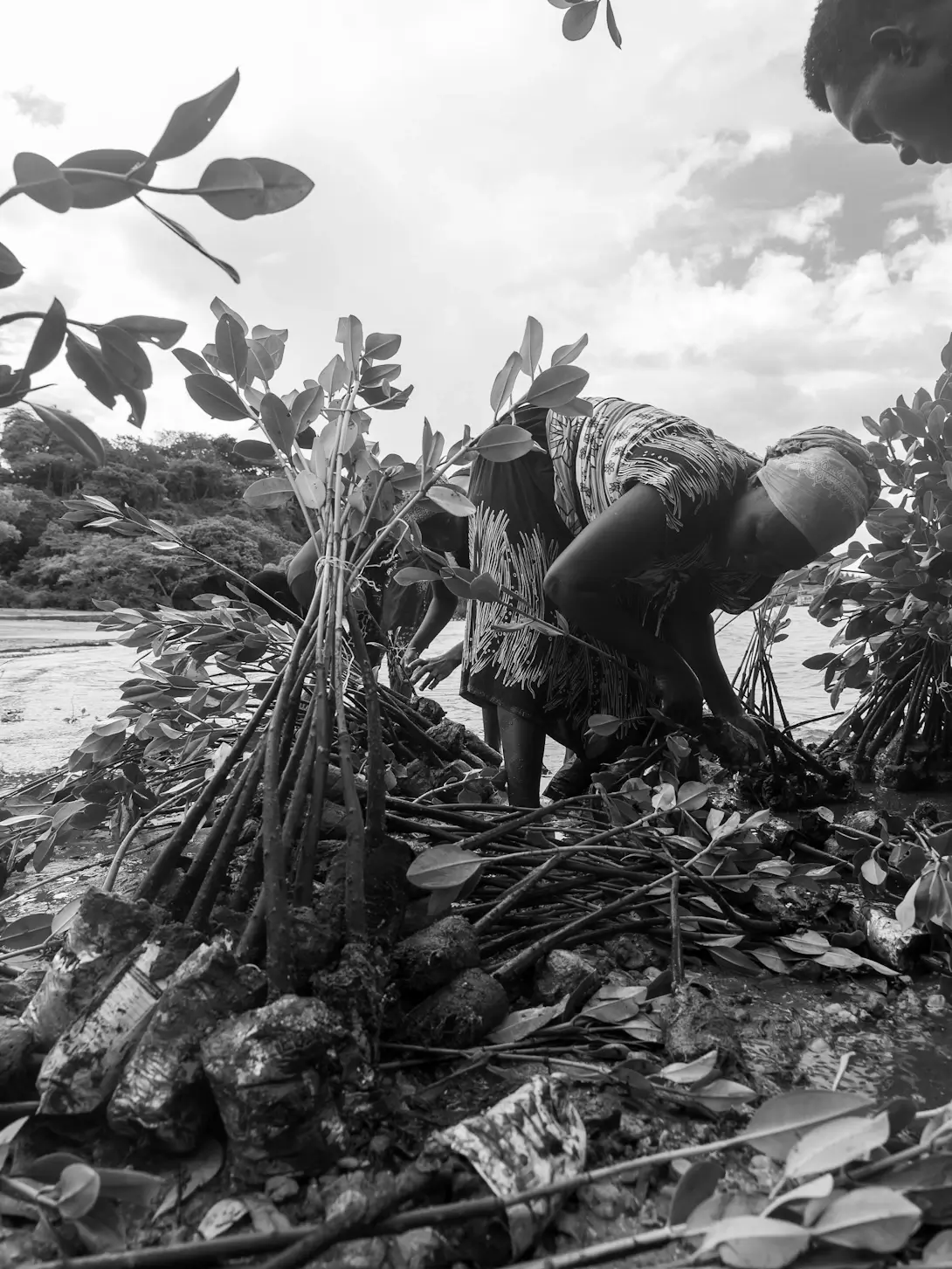
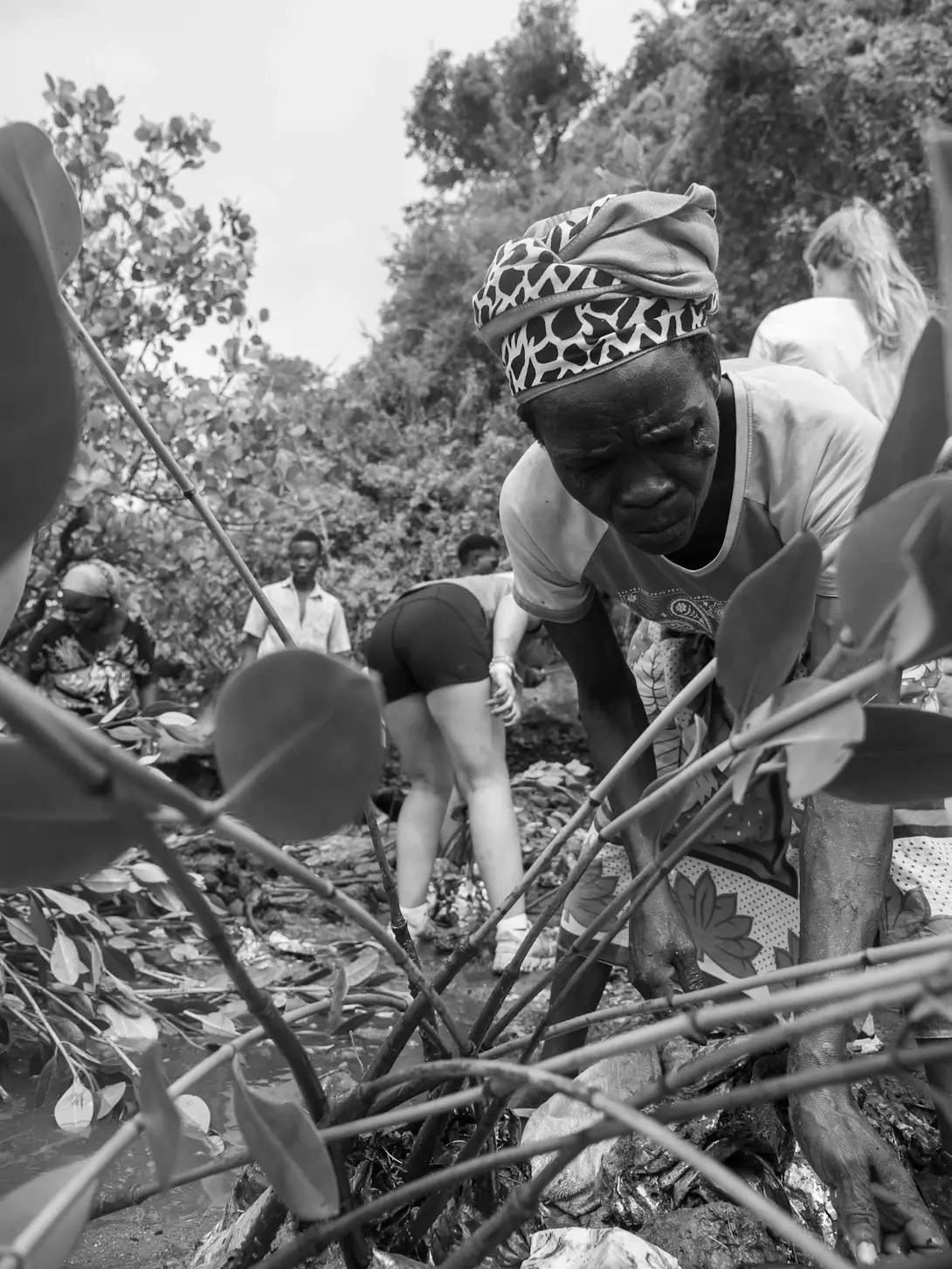
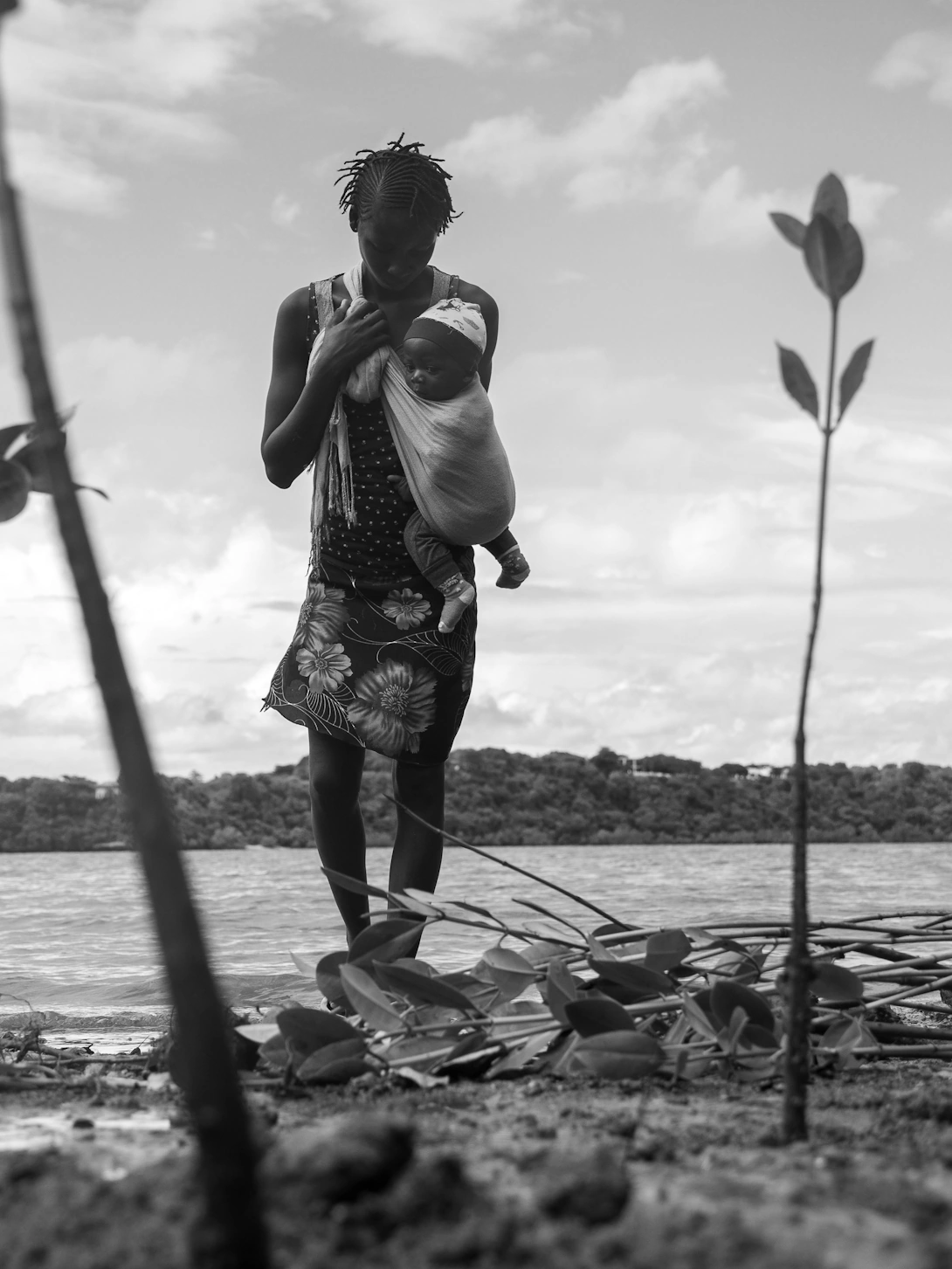
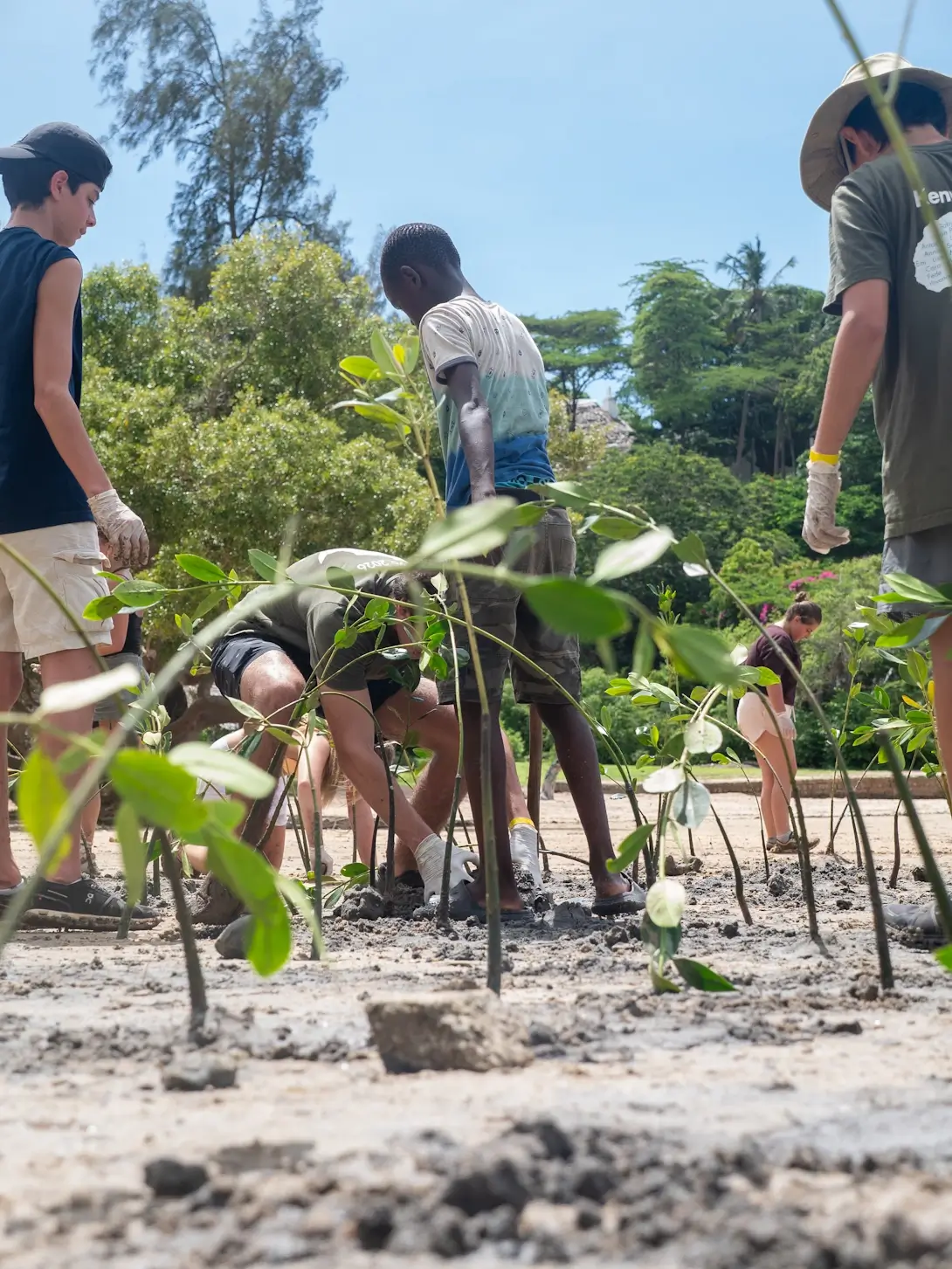
Restoration is ultimately about people. LEAF has placed communities at the heart of our work, and the results speak for themselves. Approximately 20 community groups including women’s groups, youth associations and farmer cooperatives, have partnered with LEAF on mangrove restoration activities. These groups have been instrumental in nursery management, planting events and site maintenance. In total, over 1,000 community members have directly participated in our programmes through training, planting days and ongoing stewardship activities. Their involvement ensures that restoration is not just an event but a lasting commitment rooted in local ownership.
Looking ahead, LEAF Kenya has ambitious plans to scale our mangrove restoration work across Kilifi County’s creeks and estuaries. Over the next three years, we aim to directly build capacity of 200 local community members through training in mangrove restoration practices and provide alternative livelihoods to 200 community members through mangrove nursery enterprises and performance-based incentives. These targets are not arbitrary. They are grounded in years of experience, rigorous monitoring and a deep understanding of what motivates communities to protect their mangrove heritage.
To achieve these goals, we will work with community members, elders and youth groups to identify and map priority planting sites along degraded creek systems. This includes mangrove areas requiring active restoration, community lands adjacent to creeks and zones where natural regeneration is already happening. Site assessments will guide seedling distribution and planting techniques. Effective propagation requires nurseries with adequate infrastructure. The project will work with pre-existing mangrove nurseries to scale up production and will identify and establish additional community nurseries. The LEAF mangrove nursery at Pwani University will serve as a hub for rare and threatened mangrove species, while community nurseries will be strengthened through improved infrastructure and targeted training. Where natural regeneration is already occurring, we will protect these areas rather than plant new seedlings. Naturally regenerated mangroves grow faster, survive longer and require less maintenance, reducing pressure on community members and improving the long-term stability of restored sites.
We will provide detailed monitoring across all restoration sites, aligned with the principle that a single mangrove counts if it stays alive for three years. We will use remote sensing technology and ground truthing to monitor mangrove growth and survival. Regular checks will identify hotspots and allow timely remedial action. By the end of Year 3, we aim for 70–80% survival of all planted mangroves. To promote long-term impact, sustainable livelihood approaches such as alternative income generation will be incorporated. A reward programme for communities will incentivise those keeping the mangroves alive, with payments made for surviving trees. Women’s groups will continue to earn income through seed collection, seedling production and buy-back arrangements.
Our long-term aim is to ensure that the mangroves planted through this project are still standing in twenty years and beyond. This requires that communities benefit directly from the restored areas and feel responsible for protecting them. All planting sites are selected together with the groups who will manage them, including community associations, women’s groups and youth clubs. Because people choose the sites themselves and participate in nursery work and planting, they develop a sense of ownership early on.
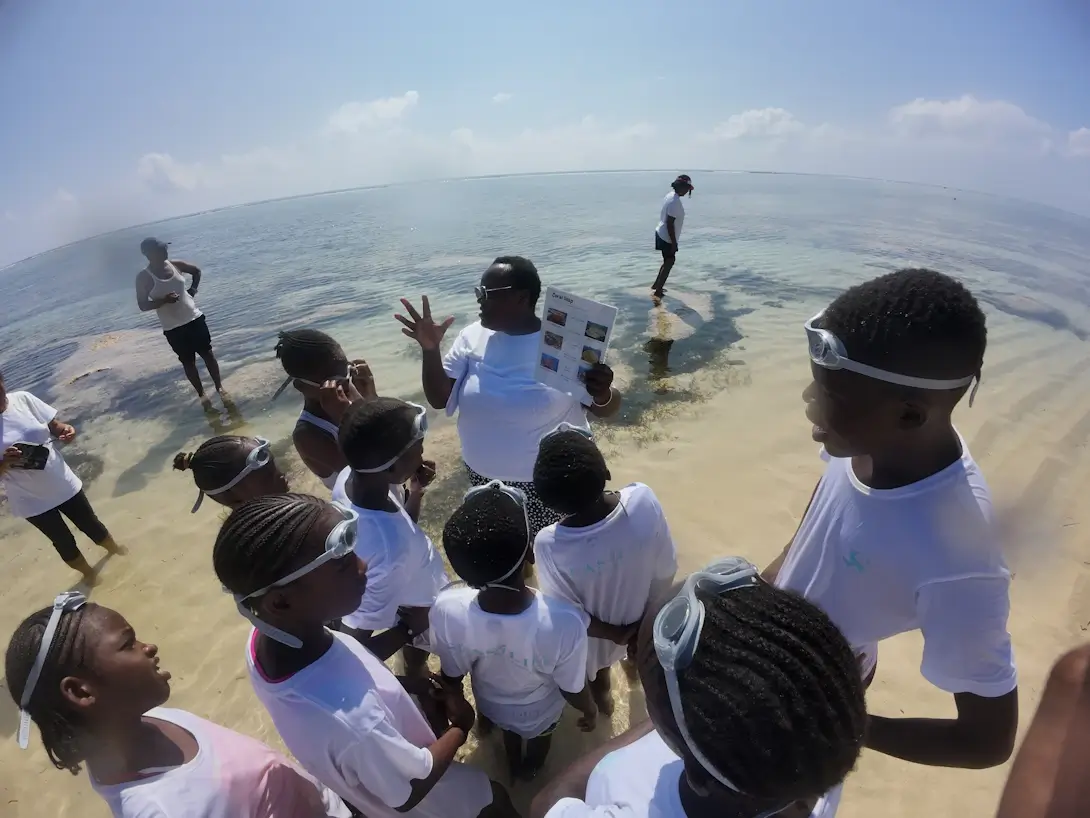
LEAF Kenya provides a wide-ranging education on the environmental, economic and social benefits of mangroves. Communities learn about critical ecosystem services such as coastal protection, fisheries enhancement and climate resilience. Educational tools in local languages are prepared and disseminated to target different age groups and cultural contexts. Mangroves that support livelihoods help guarantee long-term protection. Nursery work gives growers steady earnings through seed collection, seedling production and buy-back arrangements. Performance-based incentives ensure that communities receive rewards for high survival rates and active management. Communities are encouraged to create simple local agreements that prevent cutting, charcoal production and unmanaged harvesting within restored mangrove areas. These rules are supported by traditional systems and local governance structures. Training in nursery management, site maintenance and natural regeneration gives communities the skills needed to manage mangrove restoration independently. Once trained, groups can continue producing and planting mangroves even without external support, keeping the restoration cycle alive.
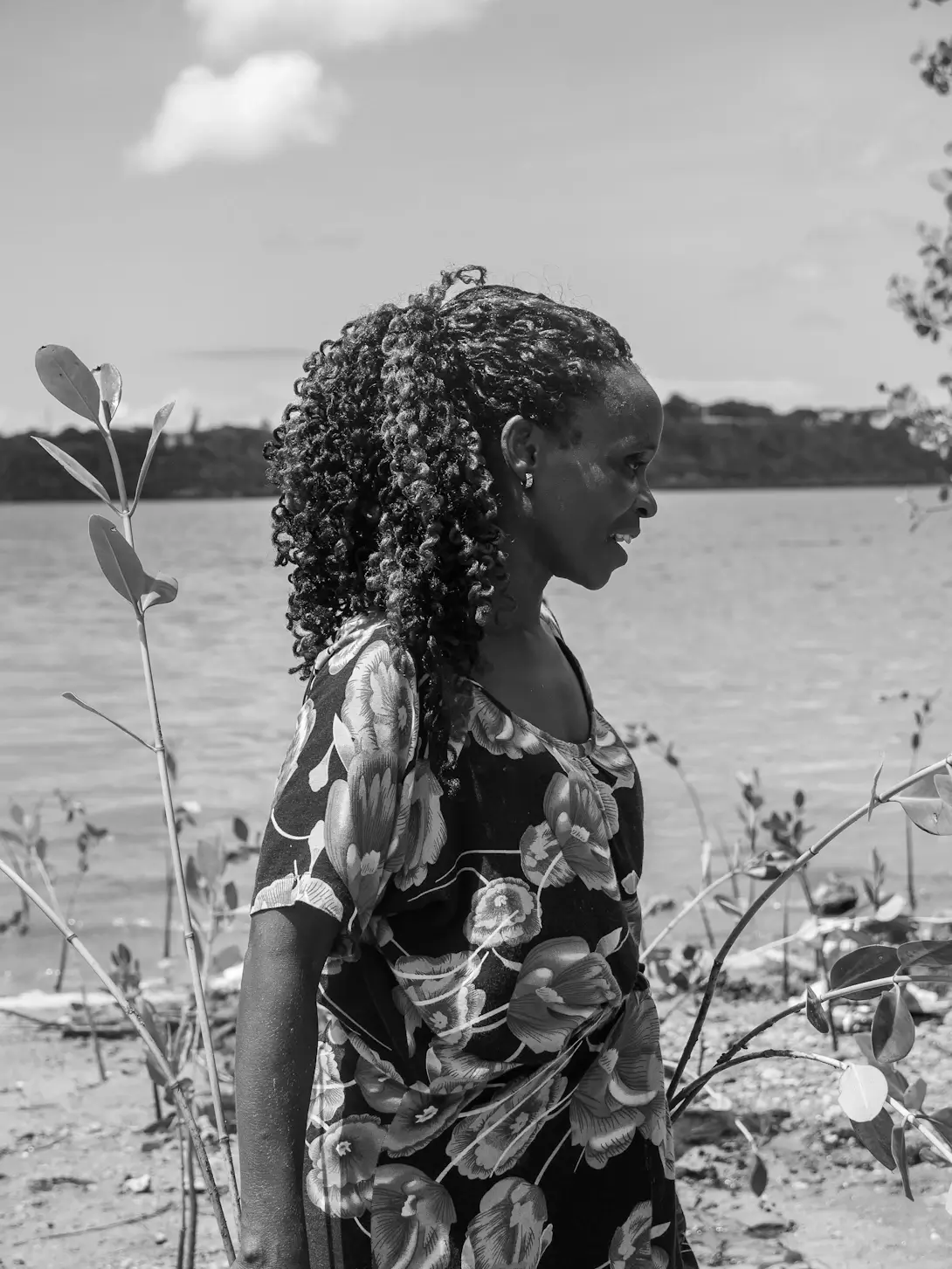
“Before LEAF came, we thought mangroves were just there, for firewood or building poles,” says Fatima, a mother of four and a member of a women’s nursery group in Takaungu. “Now I know that when I plant one mangrove, I am planting fish for my grandchildren. I am protecting my home from the big waves.” Her neighbour, an elderly fisherman who goes by Babu, agrees. “The small fish are returning. It is not yet like the old days, but we see the difference. We protect these mangroves because they protect us.”
At the Our Ocean Conference 2026 in June, the world will gather to discuss marine protection, sustainable blue economies and climate resilience. LEAF Kenya offers a practical, evidence-based model of mangrove restoration that can be replicated from Mozambique to Somalia. What we have achieved in five years, 1,125,000 mangroves, 80% survival, eight species restored, 100+ community members trained, is just the beginning. With stable support, we can scale our mangrove nursery network to produce 500,000-600,000 seedlings per year from Year 2 onwards. We have already identified significant areas of degraded mangrove habitat suitable for restoration across Kilifi’s creek systems and Lamu, with potential to expand to additional estuaries in the region.
We invite you to visit. Wade into the creeks. Watch women and youth and elders put their hands in the mud. You will see that the ocean’s future is being built not in conference rooms alone, but in the patient, daily work of communities who have decided to protect their shorelines. Because when a mangrove survives its third year, roots deep, branches reaching, it is no longer just a tree. It is a statement. It says: here, on this creek, we choose restoration over loss, life over abandonment. LEAF Kenya will continue to make that choice. One propagule. One hectare. One community at a time.