Seas4Life
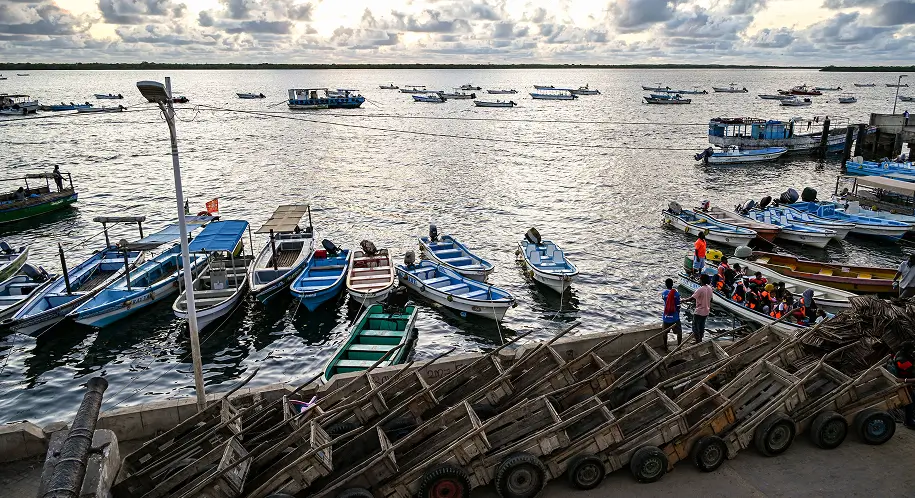
Along Kenya’s coastline, many children grow up beside the ocean but have limited opportunities to safely engage with it. For some, programmes delivered through Seas4Life provide their first direct experience with the sea, introducing them to marine ecosystems while building confidence, water safety skills, and a deeper understanding of the environment that surrounds their communities.
High drowning rates and limited access to ocean education mean that the very environment which sustains livelihoods, culture, and coastal identity often remains out of reach. This disconnect not only affects safety, but also limits opportunities for young people to understand and protect the ecosystems around them.
Seas4Life is working to change that. The organisation exists to connect people to the ocean and turn that connection into action through one simple belief: you protect what you love.
Operating along Kenya’s coast and across the wider Western Indian Ocean (WIO), Seas4Life brings together travel, education, and conservation to create meaningful connections between people and the ocean. Its approach is simple: turn wonder into understanding, then understanding into action, because when people understand the ocean, they are more likely to care for it.
Operating along Kenya’s coast and across the wider Western Indian Ocean (WIO), Seas4Life brings together travel, education, and conservation to create meaningful connections between people and the ocean. Its approach is simple: turn wonder into understanding, then understanding into action, because when people understand the ocean, they are more likely to care for it.
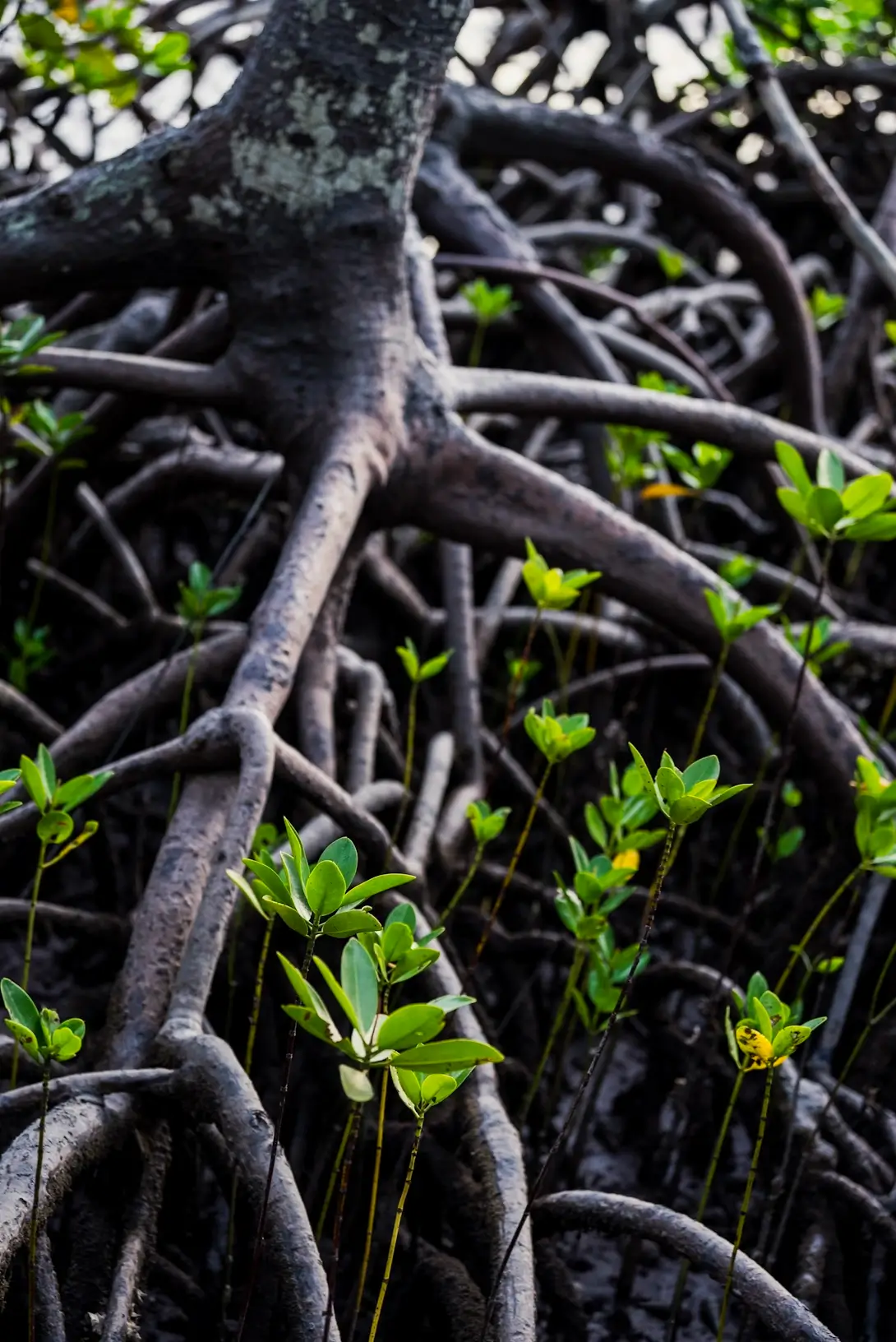
At the heart of this work is the Seas4Life Foundation curriculum, developed using the UNESCO 7 Ocean Literacy Principles as a global framework, while localising the learning to Kenya’s six key marine ecosystems: coral reefs, mangroves, seagrass beds, beaches and dunes, rocky shores, and the open ocean. By connecting international ocean literacy goals with familiar local environments, the programme makes marine education relevant, relatable, and accessible for Kenyan students and communities, whether they live directly on the coast or further inland.
From Curiosity to Confidence
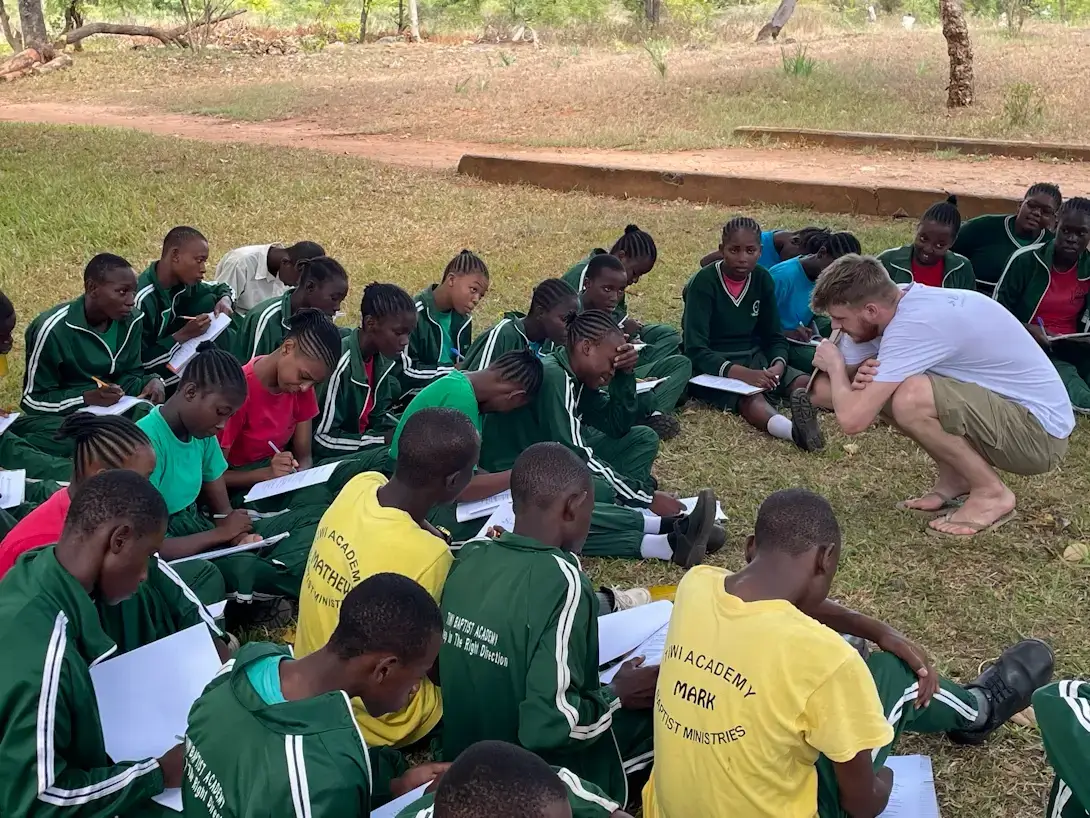
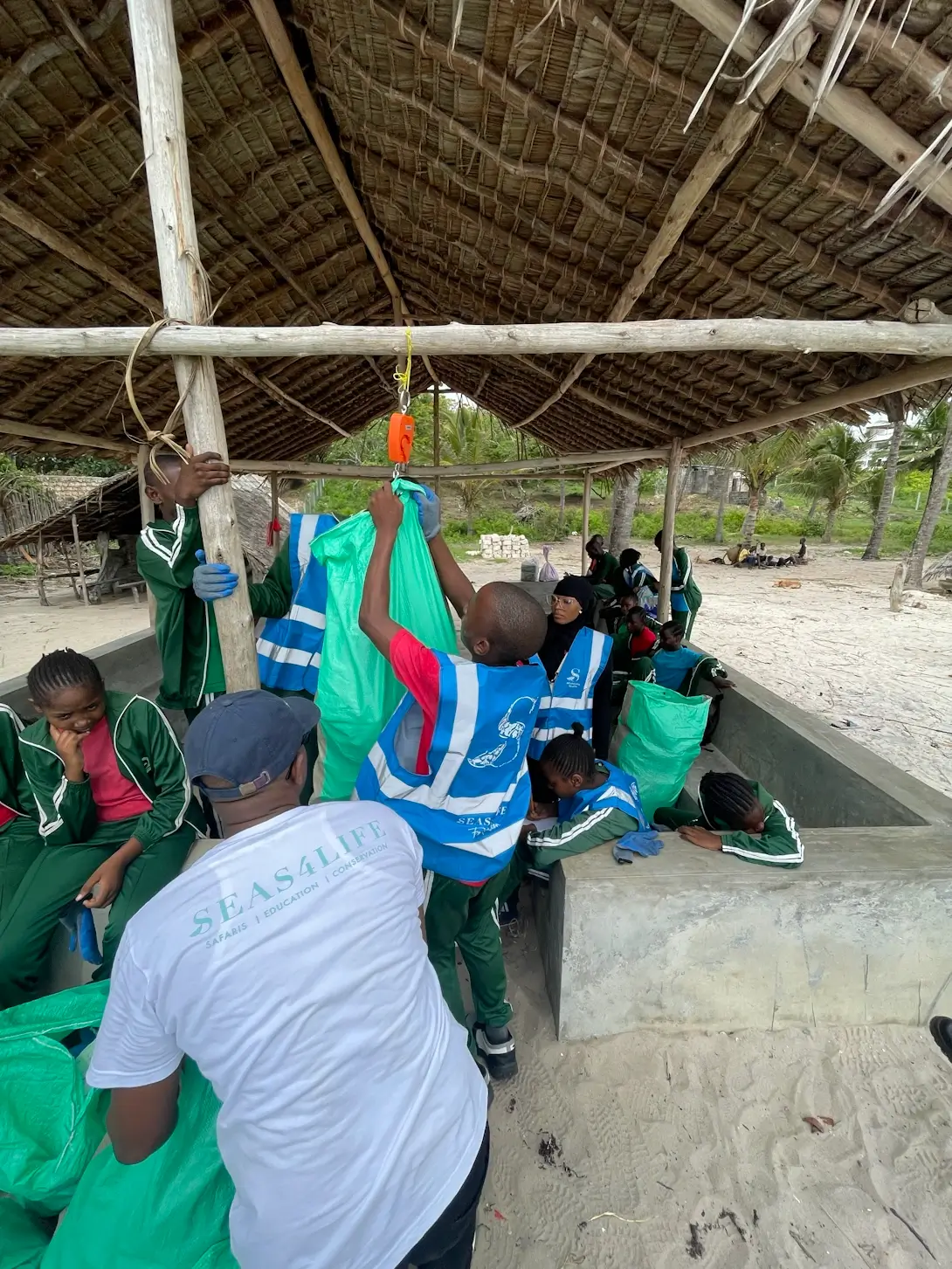
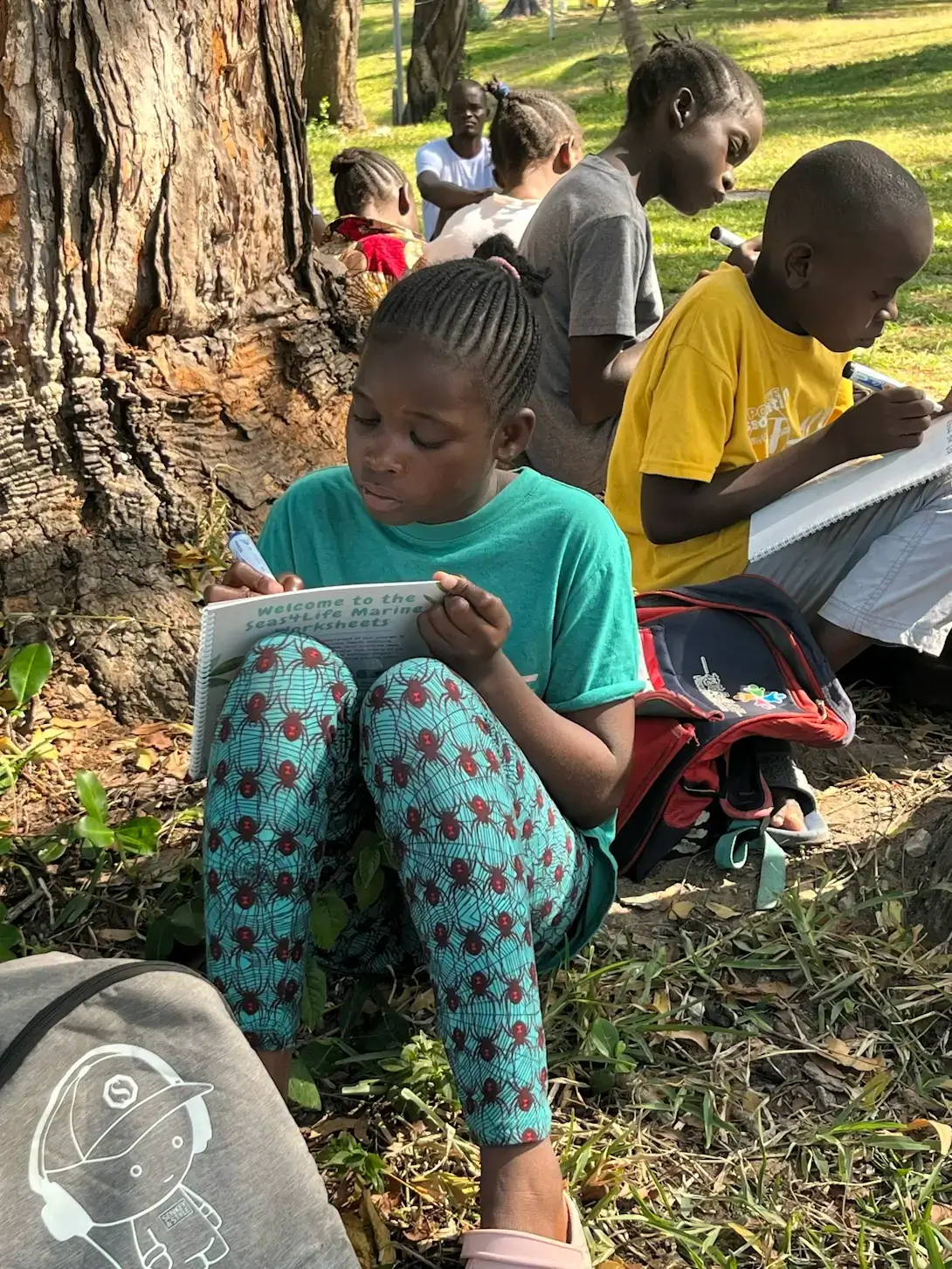
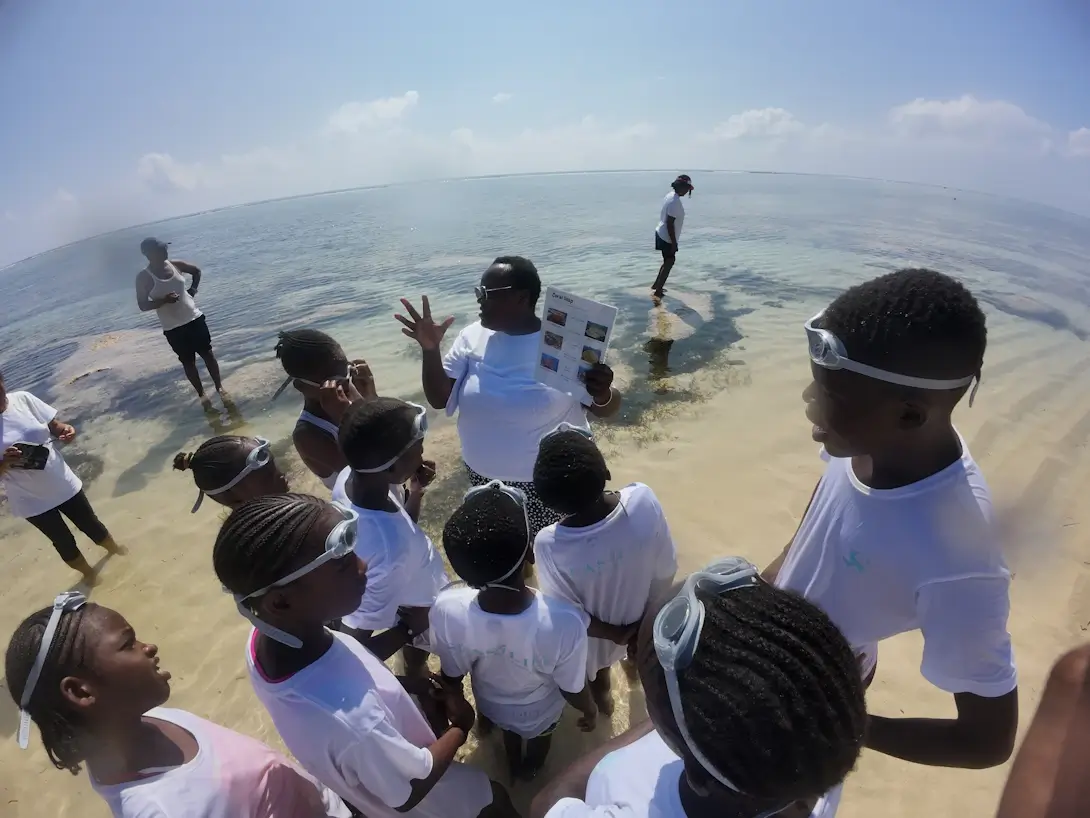
For students, learning begins in the classroom through guided ocean literacy sessions delivered alongside local partners and communities. These are paired with hands-on activities such as beach clean-ups, helping to immediately connect learning with real environmental challenges facing the Kenyan coast. Together, they build early awareness and turn curiosity into a growing sense of wonder about the ocean and why it matters.
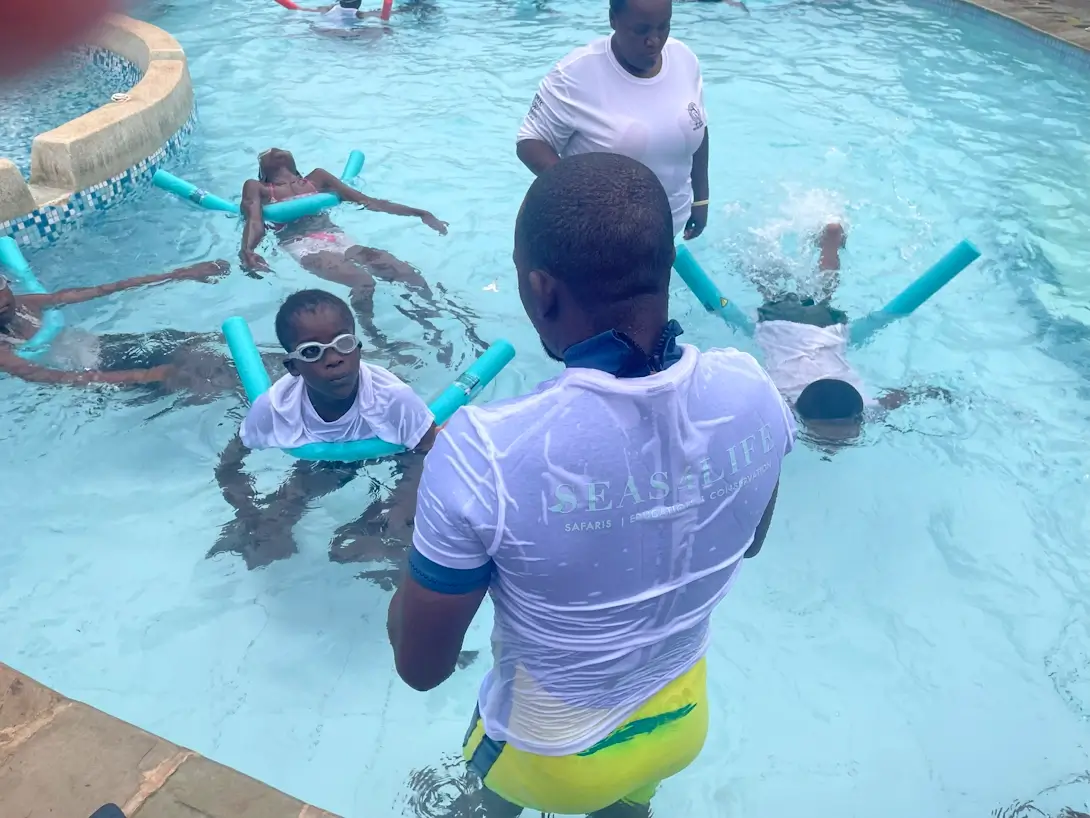
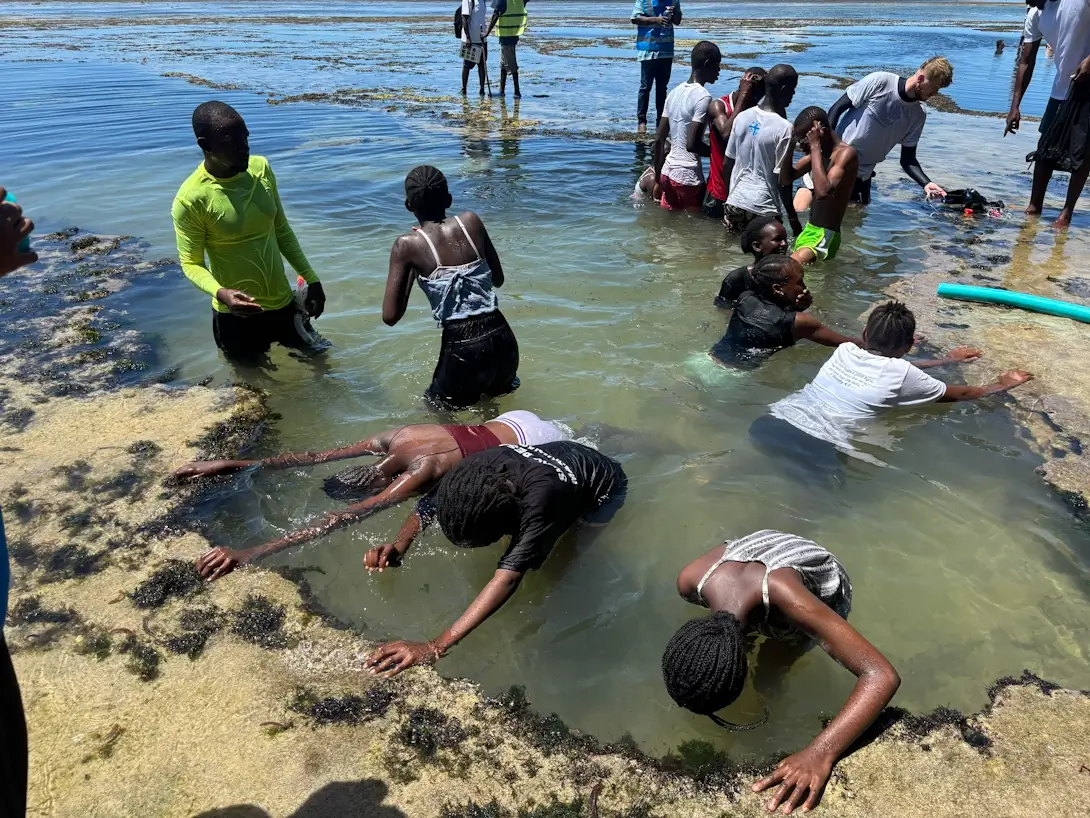
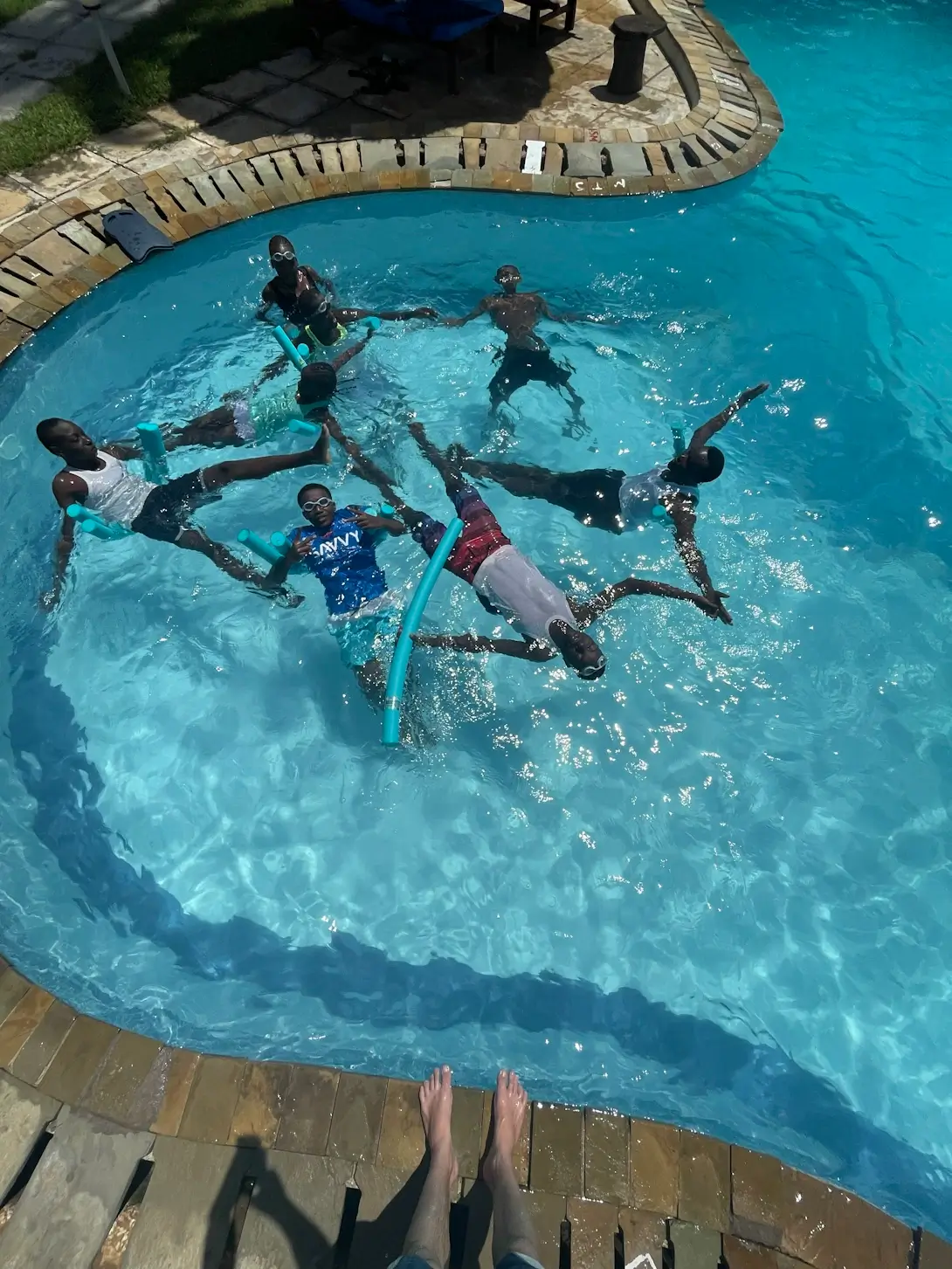
As engagement deepens, this awareness develops into responsibility. Through continued conservation activities and discussion, students begin to understand their role in protecting the marine environments around them. Through guided swimming and water safety sessions, they build confidence alongside a renewed sense of wonder, often moving beyond initial hesitation to safely experience the ocean for the first time.
From here, learning deepens into immersion through snorkelling experiences and conservation-focused travel opportunities. Coral reefs, seagrass meadows, mangroves, rocky shores, and the open ocean become something they experience firsthand rather than simply learn about in a classroom. In the process, the ocean shifts from being something distant to something personal, helping foster long-term connection, stewardship, and action.
Why It Matters
Across the WIO, marine ecosystems are increasingly under pressure from a range of human and environmental impacts, with rising temperatures, habitat degradation, and resource overuse driving rapid change in the ocean. At the same time, coastal communities remain closely dependent on these ecosystems for food, income, and cultural identity.
Building ocean literacy, the understanding of how the ocean works and how people interact with it, is a critical step toward addressing these challenges. When young people understand their environment, they are better equipped to make informed decisions, adapt to change, and participate in sustainable livelihoods.
Seas4Life’s programmes link these global challenges to local experiences. Beach clean-ups highlight the impact of waste. Discussions around coral reefs introduce the realities of climate change. Water safety training addresses the immediate and ongoing risk of drowning. Each activity connects knowledge to action.
Importantly, the curriculum demonstrates that ocean literacy is not only for coastal communities. Through the Seas4Life Foundation and initiatives like Big Blue Day, students across Kenya, including inland schools with little direct access to the sea, are introduced to the importance of the ocean and its connection to climate, livelihoods, biodiversity, and everyday life.
Travel That Supports Conservation
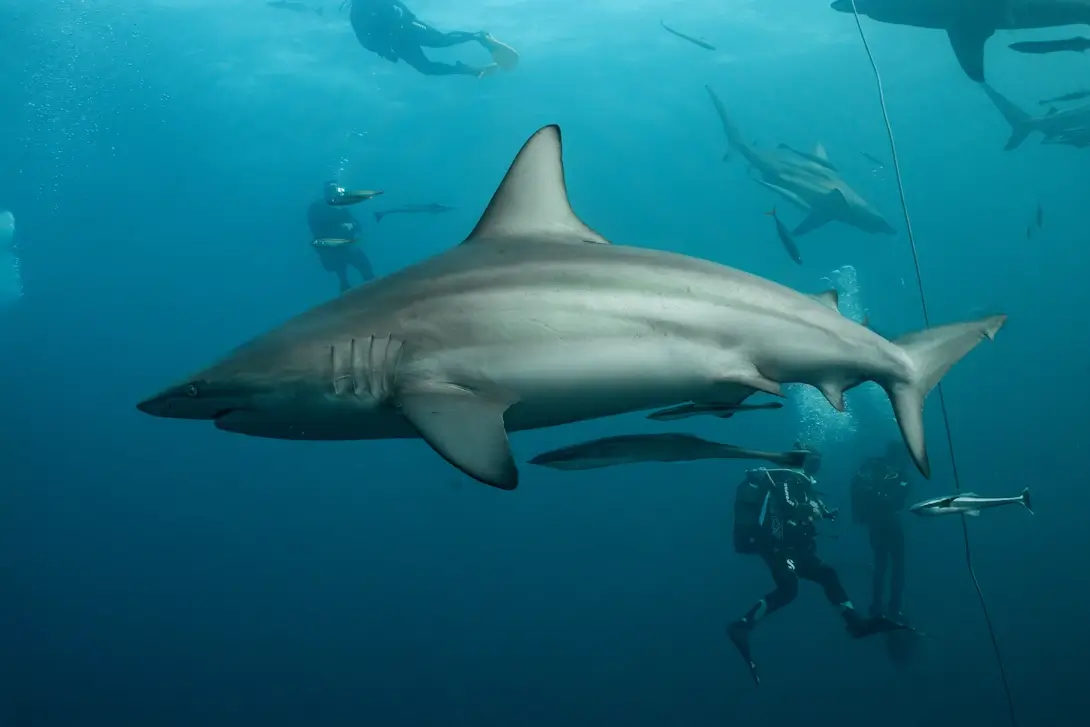
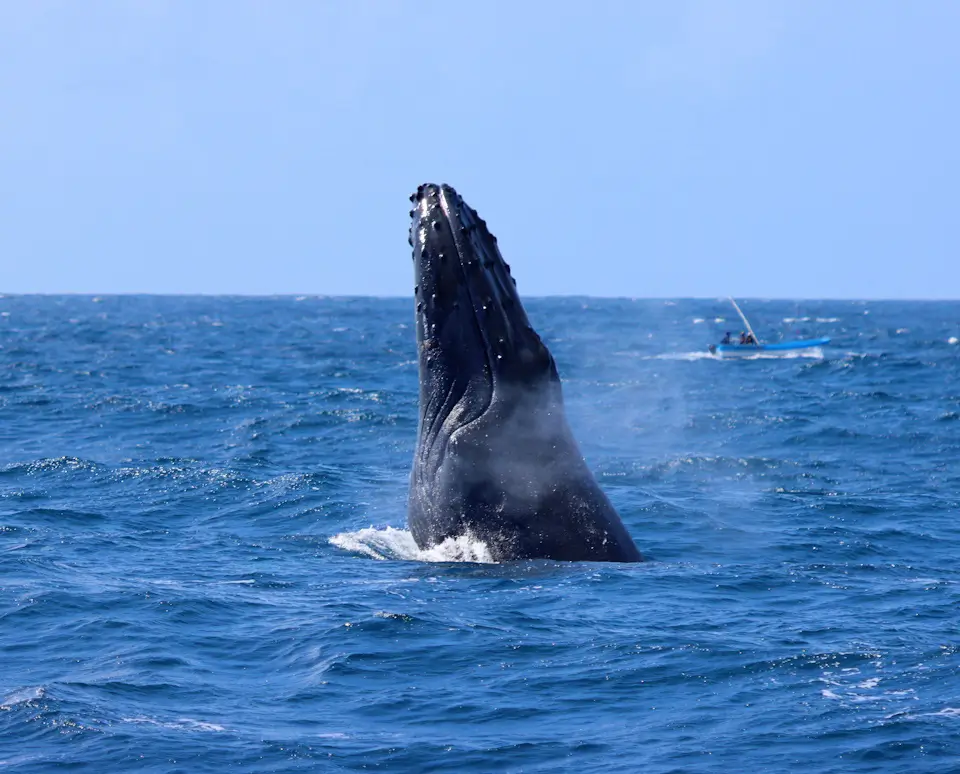
Seas4Life also works beyond the classroom, using expedition travel as a direct tool for conservation. Each expedition is built around a specific place, season, and purpose, offering rare access to marine environments, species, and coastal communities that are out of reach for most travellers. Across the Western Indian Ocean, participants experience ecosystems such as coral reefs and open ocean environments, including events like dolphin megapods and other seasonal marine phenomena.
Rather than observing from a distance, guests travel alongside marine biologists, field experts, and local communities, taking part in real conservation work. Through citizen science, data collection, and hands-on field engagement, they actively contribute to ongoing research and help address critical knowledge gaps in the ocean.
These journeys integrate adventure, scientific insight, and meaningful contribution into a single experience. Expedition travel is structured across set-date, group, and private formats, allowing for participation that ranges from science-led fieldwork and skill development, to shared group learning, or more personal, highly tailored exploration. In each case, tourism becomes more than travel or economic activity, it becomes a way to connect people, science, and communities in direct support of ocean conservation.
Growing a Generation of Ocean Stewards
The impact of these experiences is already visible. Students leave with more than knowledge, they leave with confidence, practical skills, and a sense of awe and responsibility. They begin to see the ocean not just as a resource, but as something they no longer fear, but value and want to protect.
By tracking changes in knowledge, behaviour, and water confidence, Seas4Life is building an evidence base for the role of education in conservation. Early results show clear shifts in how participants understand and interact with the ocean.
Since August 2025, the Seas4Life Foundation has reached more than 60 children through its pilot study and Pod 1 programme, providing many first-time ocean participants with a safe and transformative gateway to the sea through our Discover Ocean Initiative (DOI). Across the programmes, 122 swimming lessons and nearly 500 learning hours were delivered. By combining practical skills like swimming and snorkelling with hands-on conservation, including the removal of more than 211kg of plastic waste from beaches, our students have transitioned from being observers of the coastline to becoming active stewards of the ocean.
The work also extended into the wider community, engaging teachers, lifeguards, Beach Management Unit (BMU) members, community-based organisations, and local conservation partners, helping create a broader network of ocean advocates and educators.
In 2026, this work expands further through the Big Blue Day Initiative, Seas4Life’s signature ocean literacy and fundraising experience designed for schools everywhere, regardless of location. While rooted in the global celebration of World Ocean Day, Big Blue Day is intentionally flexible, allowing schools to engage in ocean action at a time and in a way that fits their context, supported by a complete suite of resources that plug directly into existing curricula.
We believe you don’t need to live by the coast to care for it. Even for students far inland, the Big Blue Day offers a powerful way to celebrate and understand the ocean, everyday connections that link all communities to it. Through educational ocean literacy activities, talks and creative projects, the initiative is expected to reach approximately 1,500 students across Kenya, the wider Western Indian Ocean, and the United Kingdom, bringing marine education into both coastal and inland schools.
From Connection to Conservation
The story unfolding along Kenya’s coast is a simple but powerful one: connection leads to care, and care leads to action.
By creating opportunities for young people to safely experience the ocean, Seas4Life is helping to build a generation that is aware of the challenges facing marine ecosystems, and equipped to respond to them.
In a time of rapid environmental change, these small, local moments, a first swim, a question asked in a rockpool, a glimpse of a coral reef, can shape how the next generation understands, reconnects with, and protects the ocean.
And that may be where the real difference lies, in collaboration between communities, science, and education driving lasting change for the ocean.