The SharkLine
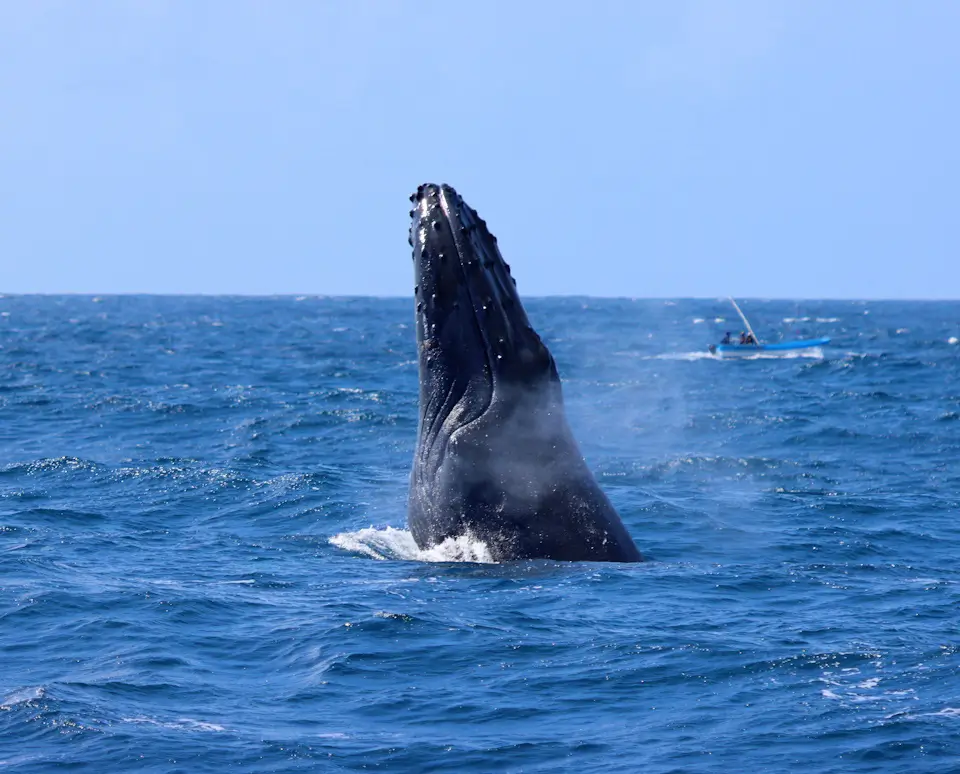
Along the coastline of Kenya, sharks are both present and increasingly absent.
They move through coral reefs, seagrass beds, mangrove systems, and open waters, playing a vital role in maintaining the balance of marine ecosystems that millions of people depend on. Yet across much of the Western Indian Ocean (WIO), shark populations are under growing pressure from overfishing, habitat degradation, climate change, and limited management capacity. In some parts of the region, reef shark populations are now considered severely depleted, with certain populations described as functionally extinct.
Despite their ecological importance, sharks remain underrepresented in policy, misunderstood in public perception, and largely absent from everyday conservation conversations.
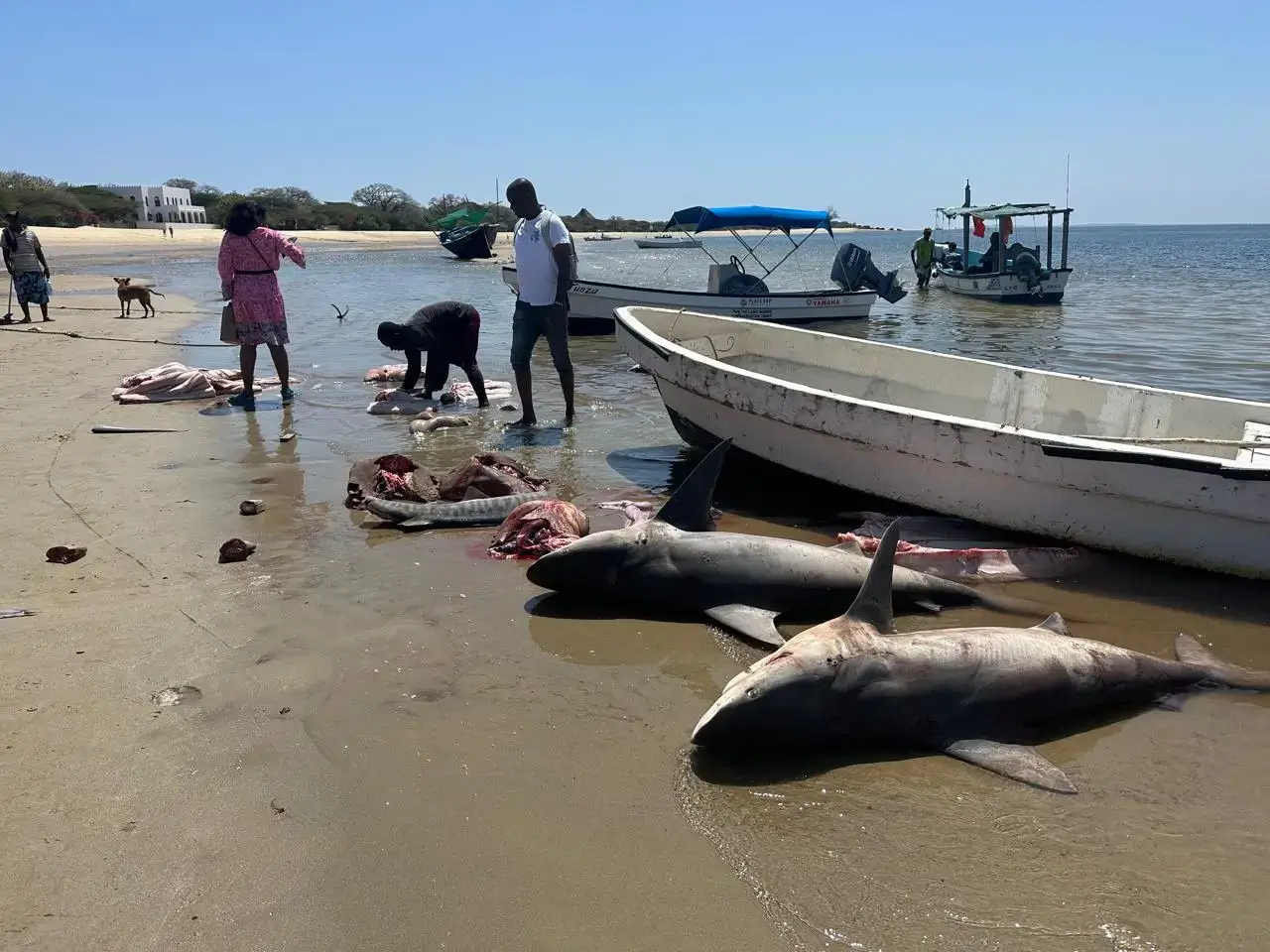
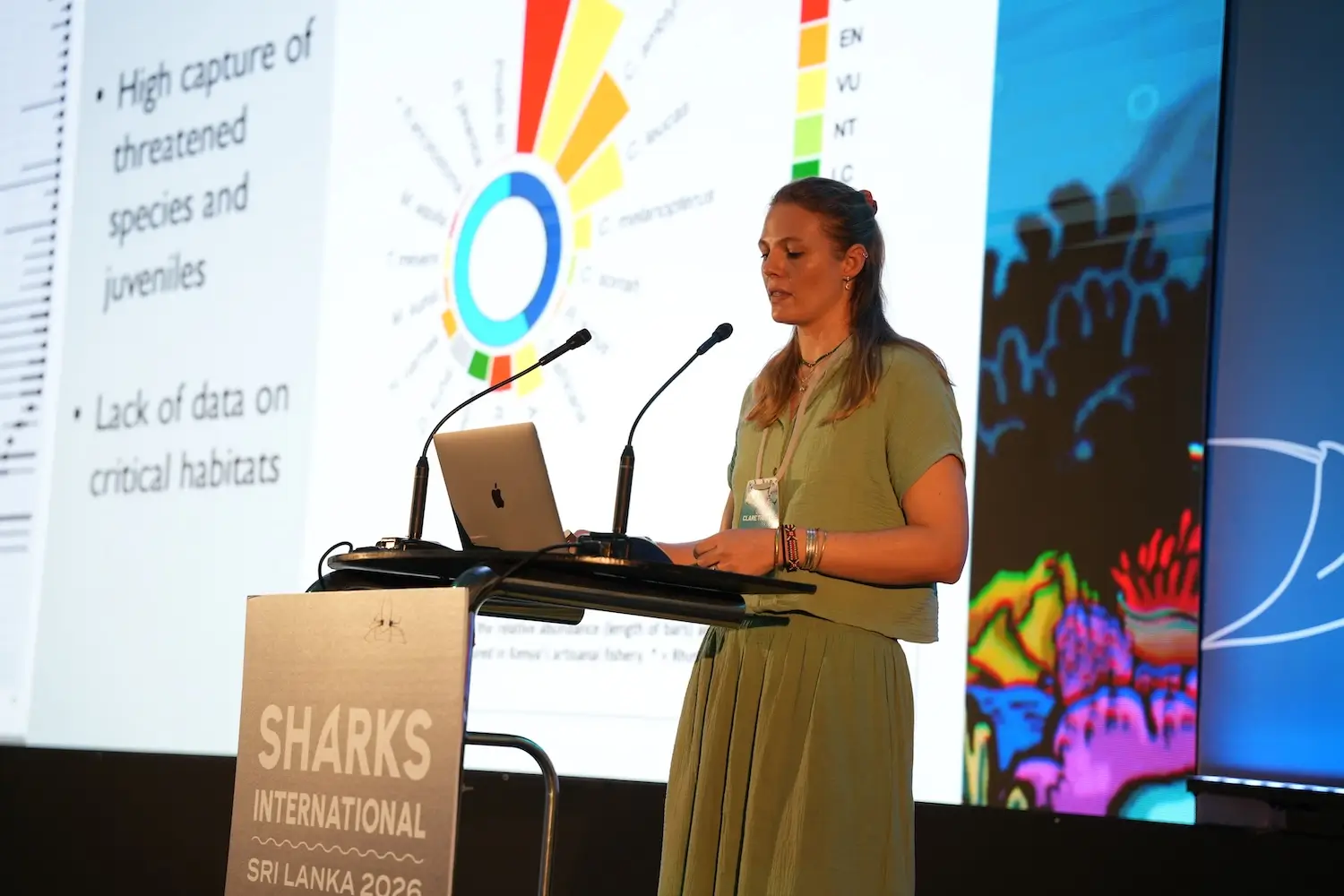
In Kenya, evidence of these changes is becoming increasingly clear. Since 2018, approximately 400 baited remote underwater video surveys (BRUVS), commonly used to monitor reef ecosystems, have been conducted along the Kenyan coast, yet recorded no sharks. At the same time, sharks continue to be landed in artisanal fisheries, which are typically composed of mixed gear types and operate across nearshore and offshore habitats. Notably, a high proportion of sharks caught are juveniles and include threatened species, raising serious concerns about the long-term sustainability of already pressured populations.
This apparent contradiction, where sharks are absent from scientific surveys but present in fisheries landings, highlights both the complexity of the issue and the critical gaps in available data.
SharkLine was created in response to these challenges.
Founded by a collective of women working across science, policy, education, and storytelling, SharkLine is a Kenya-based initiative united by a simple but urgent goal: strengthening shark conservation through collaboration, research, and community engagement. SharkLine’s strength lies not in any single discipline, but in its ability to connect them, linking knowledge, people, and action in a space that is often fragmented.
Rather than operating as a standalone organisation, SharkLine acts as a bridge, bringing together research and real-world experience, working with scientists, conservation practitioners and, crucially, the coastal communities who interact with the ocean every day. This reflects an important reality of the Western Indian Ocean: healthy marine ecosystems and resilient coastal communities are deeply interconnected.
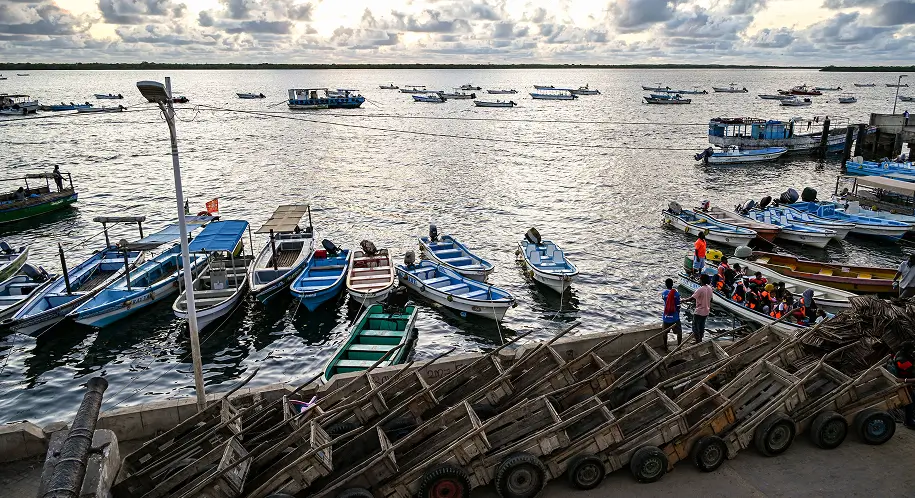
Along Kenya’s coast, many communities rely on the ocean for food security, income, and cultural identity. Sharks are therefore encountered not simply as conservation icons, but as part of everyday fishing activity, often as incidental catch within small-scale fisheries. Addressing their decline requires approaches that are both ecologically meaningful and socially grounded.
For SharkLine, that work begins with listening.
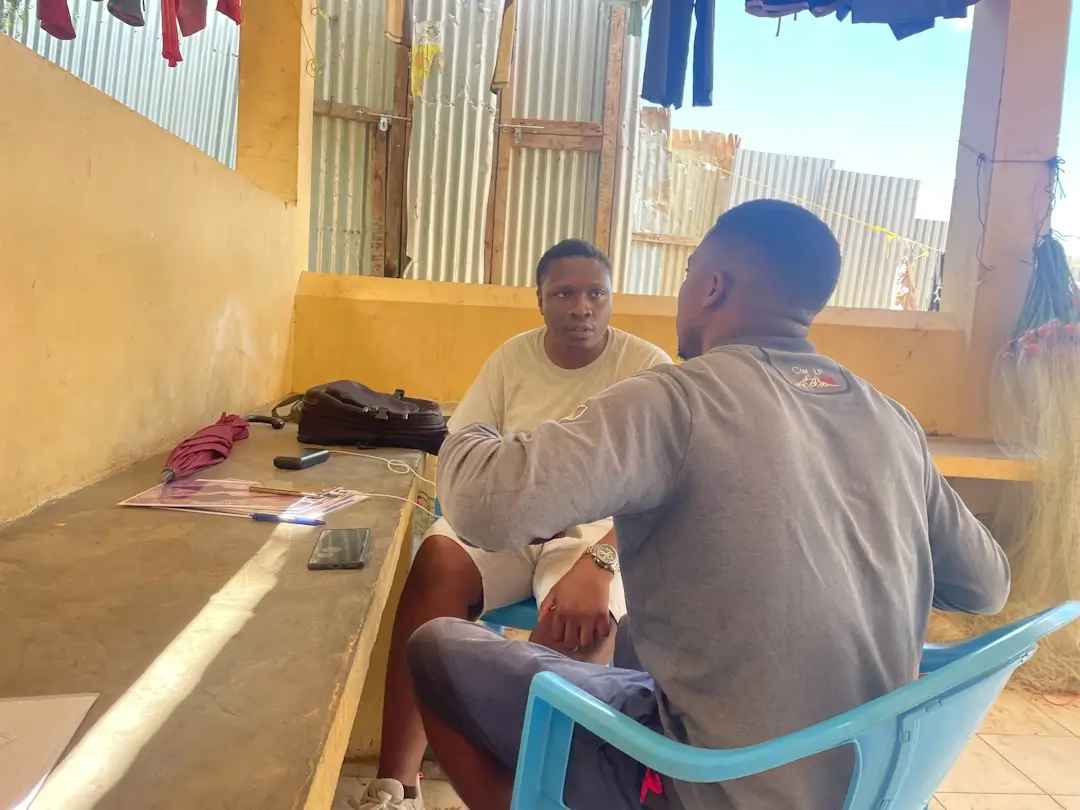
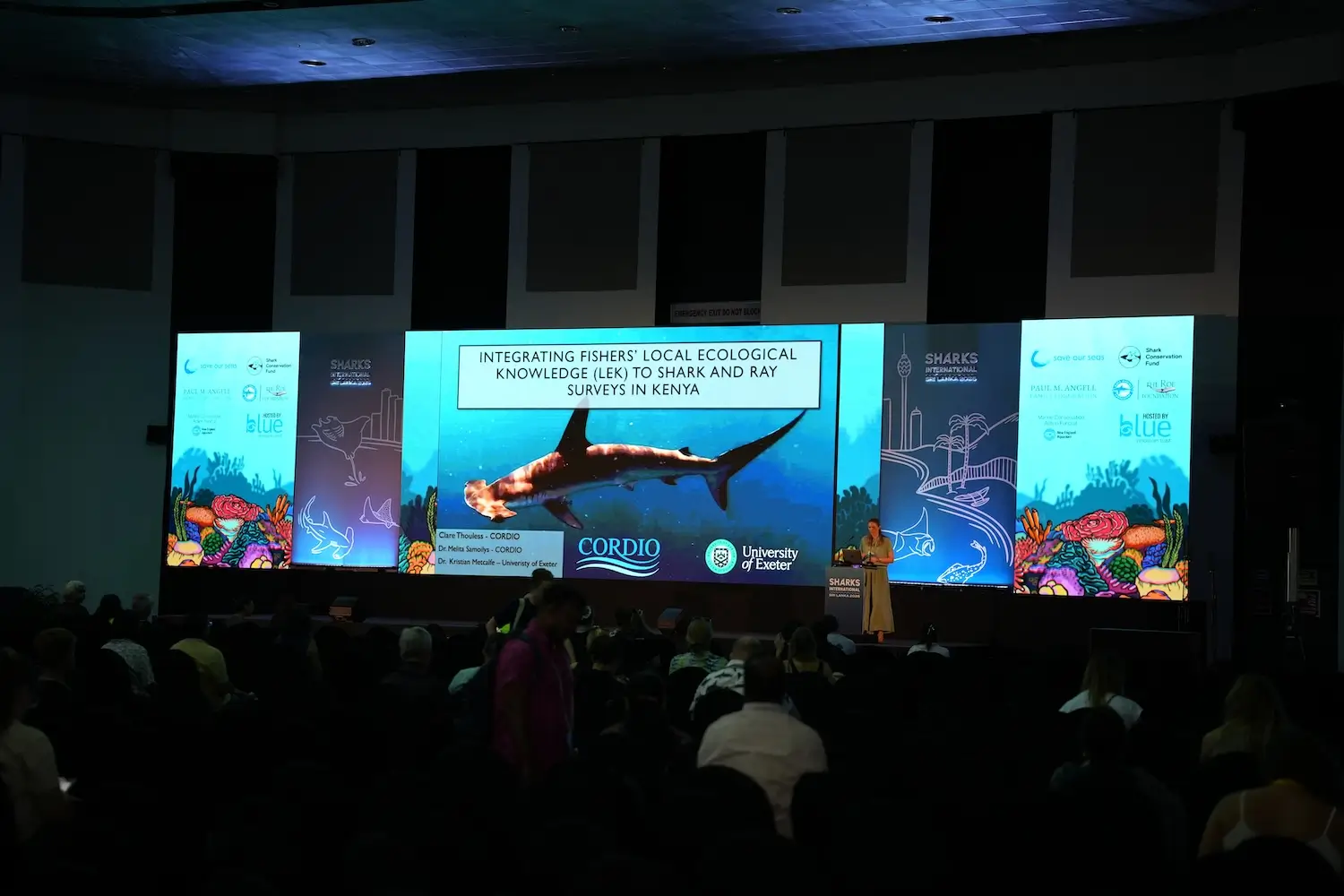
Recent efforts in Kenya have demonstrated the value of integrating fishers’ local ecological knowledge (LEK) into shark and ray research. Through structured questionnaires conducted across 19 Beach Management Unit (BMU) landing sites, insights were gathered from over 300 fishers, alongside traders and processors. These perspectives have helped identify key shark fishing grounds, as well as critical nursery and pupping habitats and their seasonal patterns.
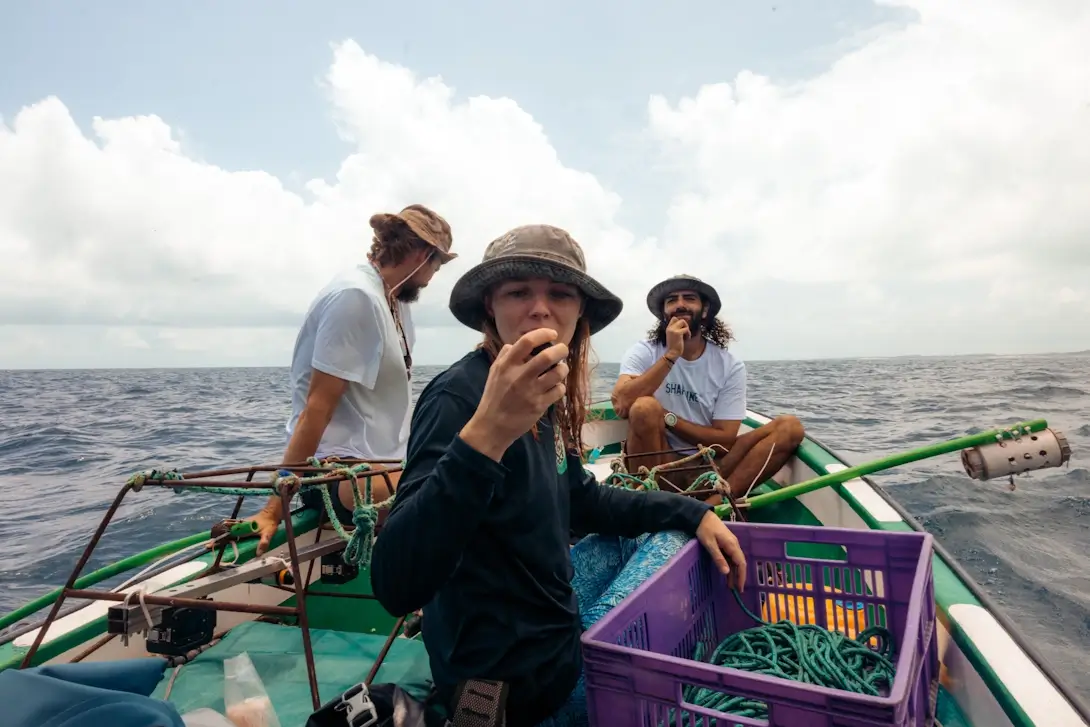
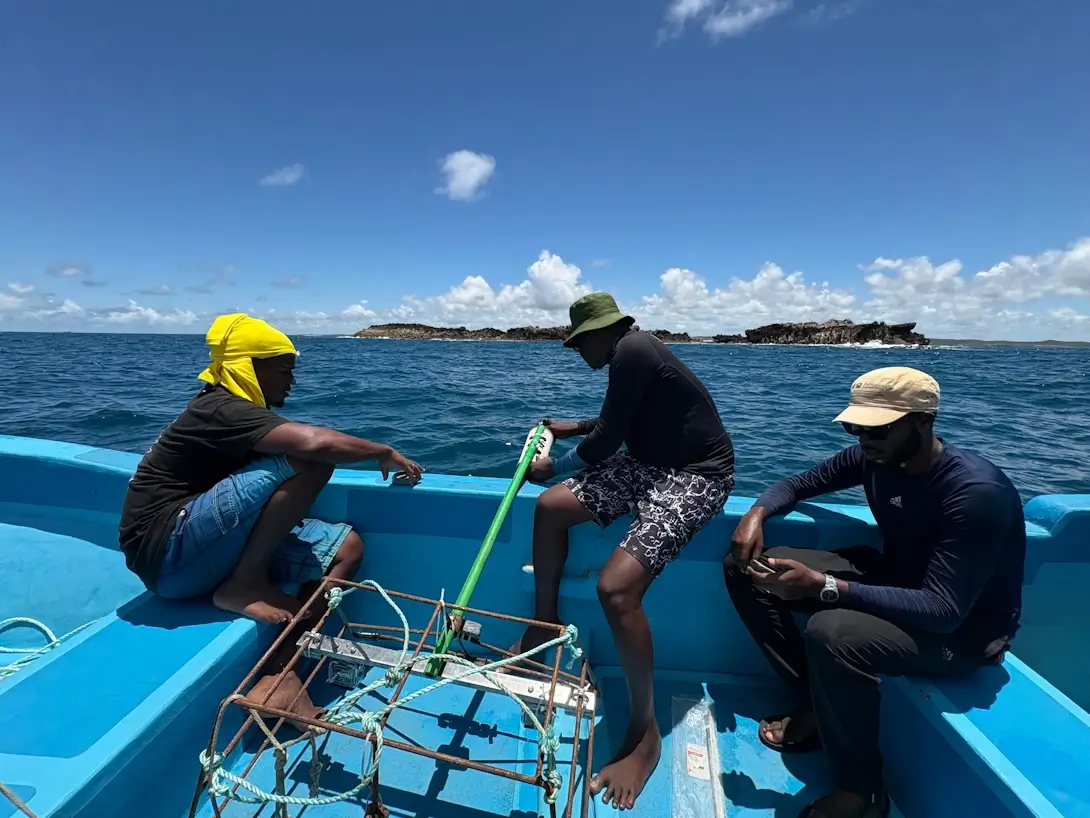
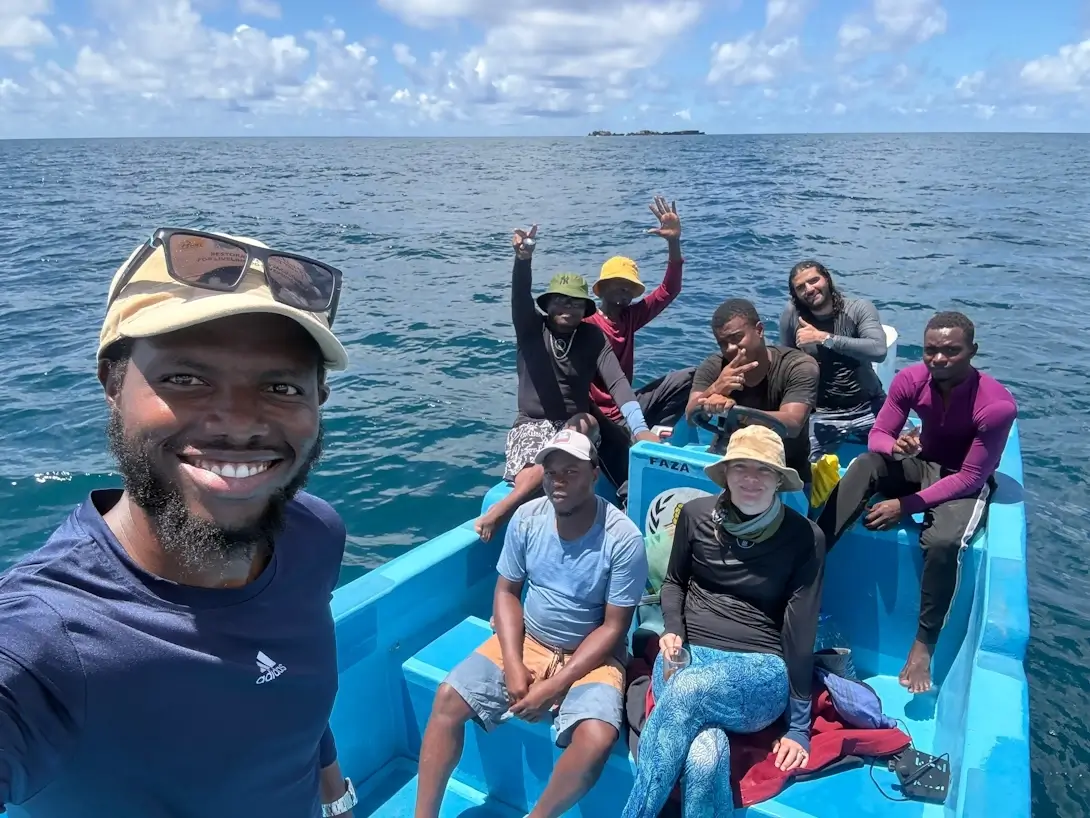
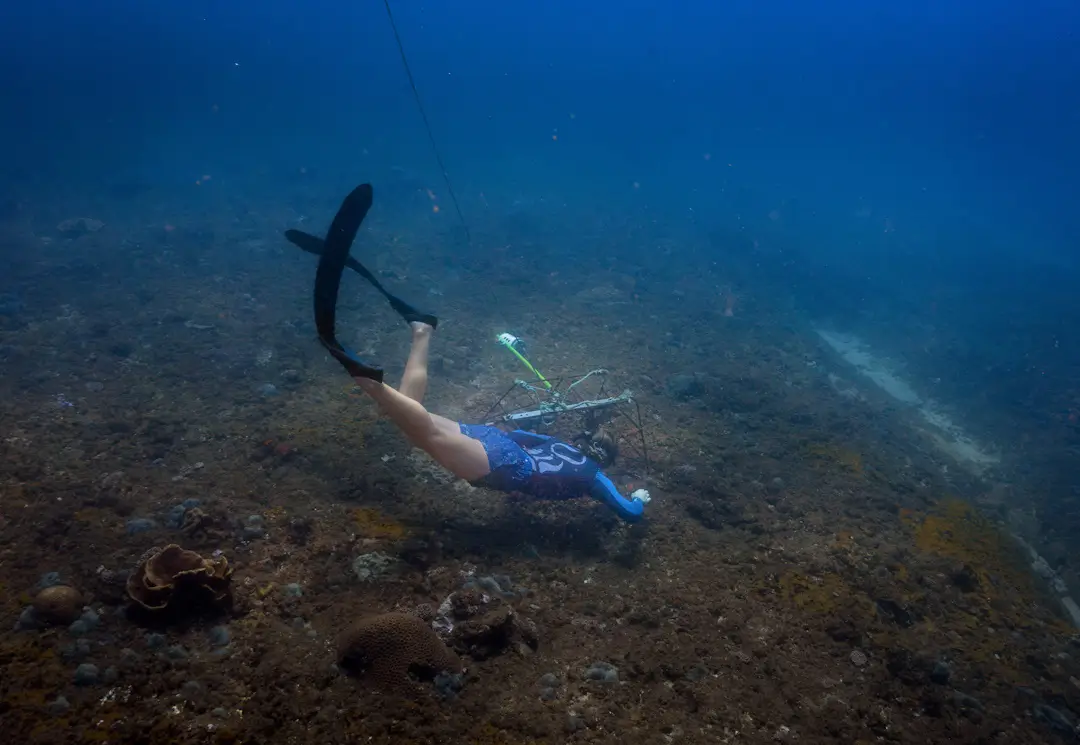
This knowledge has then been combined with participatory mapping, including boat-based surveys conducted with experienced fishers, to better understand how shark populations are distributed across different habitats and depths. In parallel, adapted deep-water stereo BRUVS systems have been deployed in identified fishing grounds, covering depth ranges from 10 to 90 metres, including sites such as Kinyika and Mwamba Kitau.
Together, these approaches highlight a crucial point: in regions where long-term scientific monitoring is limited, community knowledge is not supplementary, but essential. When combined with scientific methods, it provides a far more complete picture of how shark populations are changing and where conservation efforts should be focused.
At the same time, SharkLine addresses another important challenge: the gap between information and action.
Across the region, information relating to sharks exists in many forms, including scientific studies, fisheries data, conservation reports, and international agreements. However, this knowledge is often fragmented, difficult to access, or disconnected from decision-making processes. Policies may exist, but without clear pathways for implementation or awareness at local levels, their impact can be limited.
By translating scientific and policy information into accessible and practical formats, SharkLine aims to make it more usable for communities, practitioners, and decision-makers alike. The initiative also tracks developments in regional fisheries governance, national legislation, and international conservation frameworks, helping strengthen awareness and coordination across different sectors.
This is particularly important in a region where marine governance is evolving rapidly, and where balancing conservation priorities with community needs requires inclusive, evidence-based approaches.
Equally central to SharkLine’s work is the recognition that science must extend beyond academic spaces. For many communities most directly affected by environmental change, access to scientific knowledge remains limited by language, technical barriers, or lack of engagement opportunities. Bridging this gap is not only about communication, but also about inclusion.
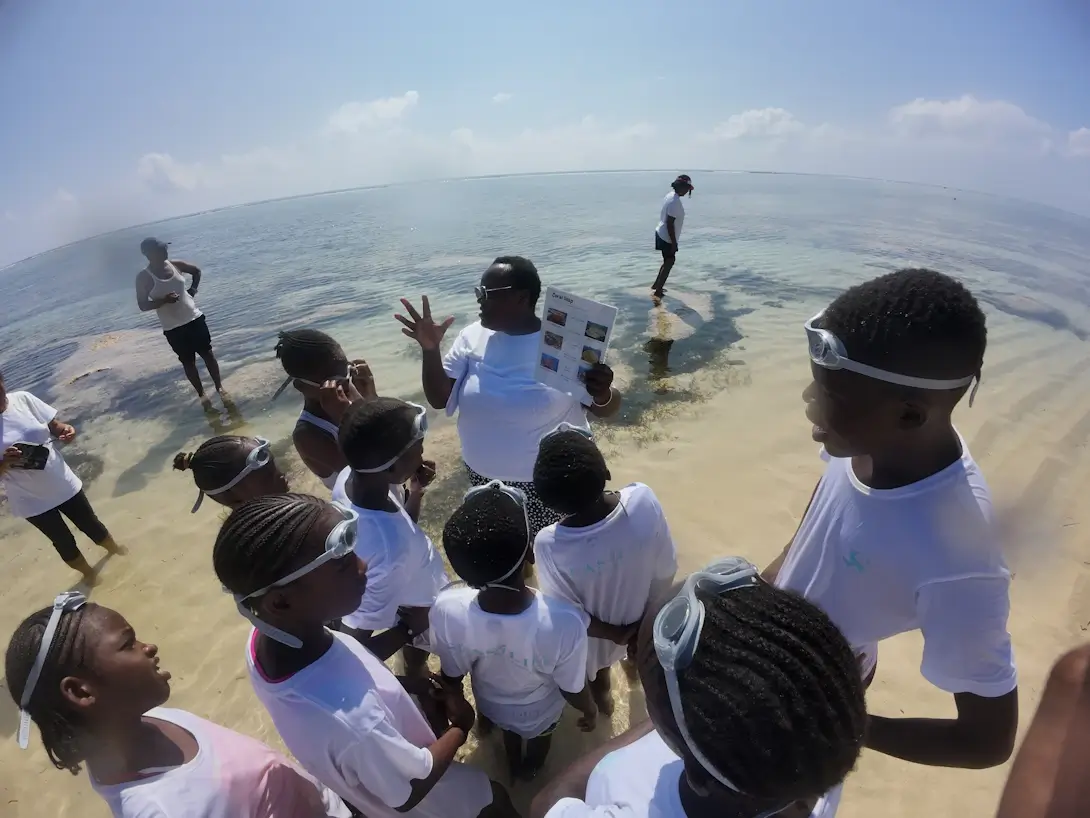
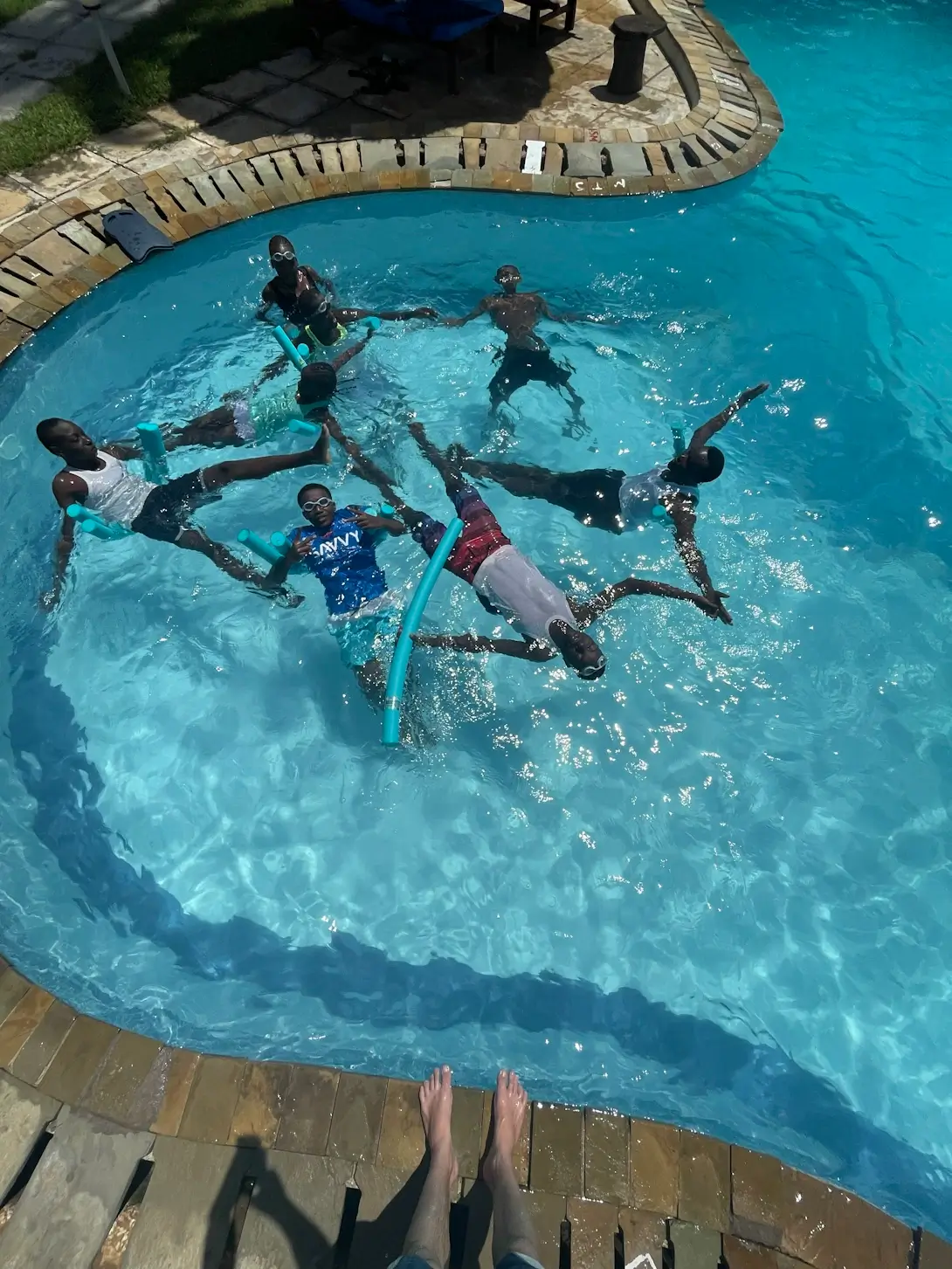
Through workshops, educational resources, storytelling, and citizen science initiatives, SharkLine works to make marine conservation more accessible and participatory. By creating opportunities for people to engage directly with marine science and conservation, the initiative supports a broader culture of ocean literacy along the coast.
This sense of participation is essential to SharkLine’s vision. Conservation is most effective when communities are included in shaping it.
SharkLine invites a wide range of actors, from fishers to students to ocean advocates, to become part of a collective effort. In this way, conservation shifts from being something done for communities to something shaped with them.
The importance of this work extends beyond sharks themselves. Sharks play a vital role in maintaining the ecological balance within marine food webs, supporting the health and resilience of coral reefs, seagrass beds, and other coastal habitats. These ecosystems, in turn, underpin fisheries, support tourism, protect shorelines, and contribute to climate resilience across the Western Indian Ocean.
Protecting sharks therefore contributes to much broader environmental and social outcomes.
SharkLine reflects a growing recognition that marine conservation challenges are interconnected, and that solutions must be collaborative. By working across science, policy, education, and community engagement, the initiative contributes to a more integrated approach to conservation in the region.
Although still in its early stages, SharkLine’s direction is clear:
To build a cohesive approach to shark conservation, grounded in local realities and shaped through participation and partnership, while remaining connected to regional and global efforts.
Because protecting sharks is not only about safeguarding a species.
It is also about sustaining ecosystems, supporting coastal livelihoods, strengthening governance, and ensuring that the Western Indian Ocean continues to thrive for generations to come.