Kwale Water Rescue
Introduction
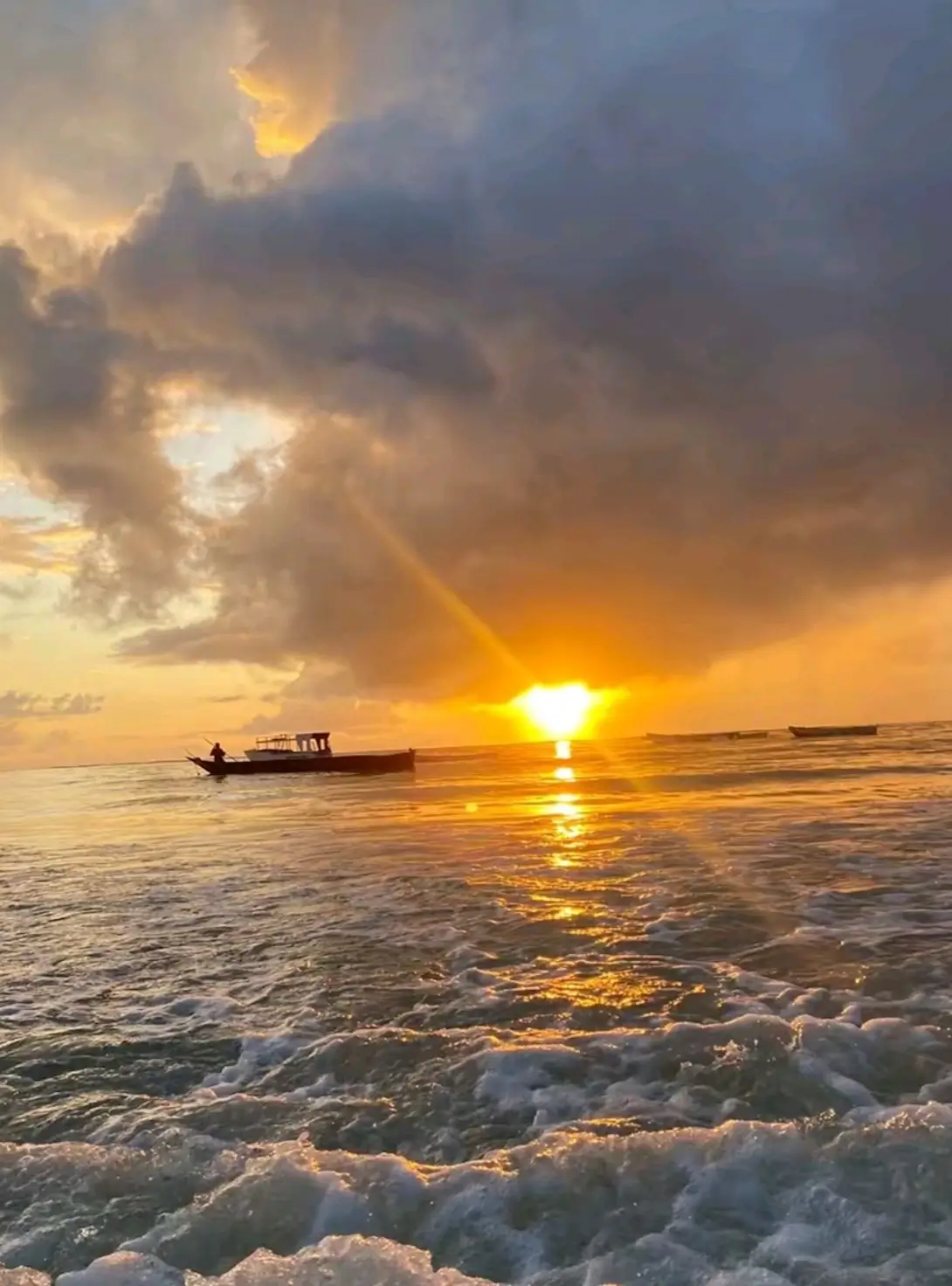
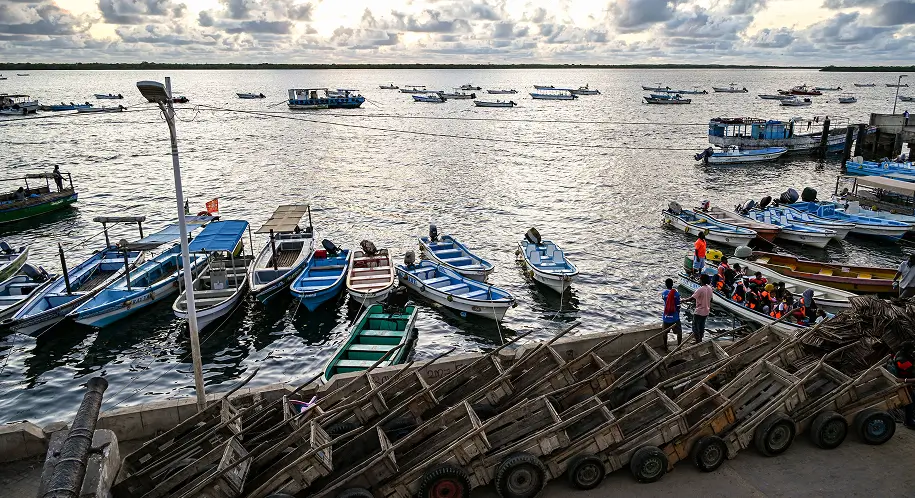
At sunrise along the beaches of Kwale County, the ocean can appear calm and welcoming. Tourists wander barefoot across the sand, children rush toward the waves, and fishermen prepare their boats as the tide shifts with the morning light. Yet beneath that beauty lies an environment that demands knowledge, awareness, and respect.
My name is Tabitha Wangui Kariuki, though most people know me as Tasha, and I work with the Kwale County rescue and lifeguard team in beach safety, emergency response, and community awareness activities in Diani, Kenya.
I was raised between Nairobi and Italy, but my connection to the sea began early through my father’s naval career, which brought me repeatedly to coastal towns, particularly Mombasa. Over time, the ocean became more than scenery.
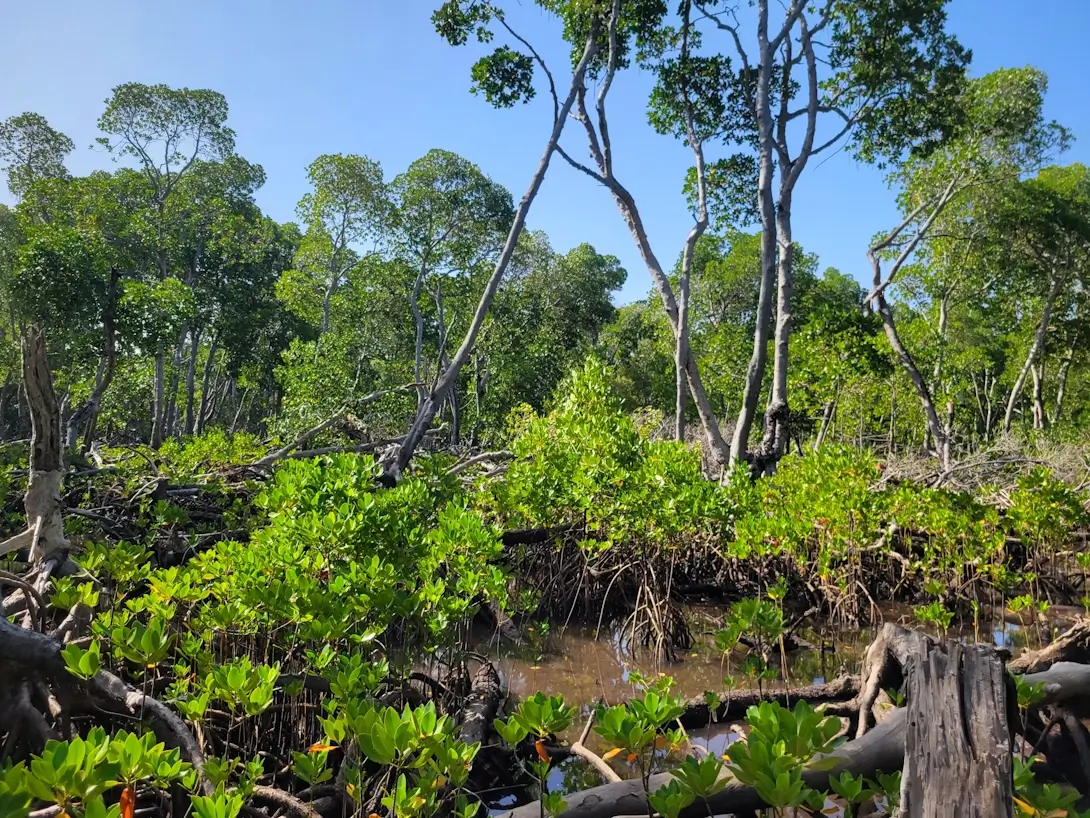
Eventually, I found myself increasingly drawn south toward Kwale County. Compared to the crowded pace of Mombasa, Kwale offered something different: quieter beaches, healthier coastal habitats, cleaner shorelines, and a stronger sense of connection between people and the sea.
But alongside that beauty came risk.
A single rescue experience changed my understanding of what the ocean represents. I helped save someone who was struggling in the water. It happened very quickly, almost instinctively, but afterwards I realised this was something I wanted to dedicate myself to.
That moment marked the beginning of my journey into water safety, rescue, and community education.
The Reality Behind Beach Safety
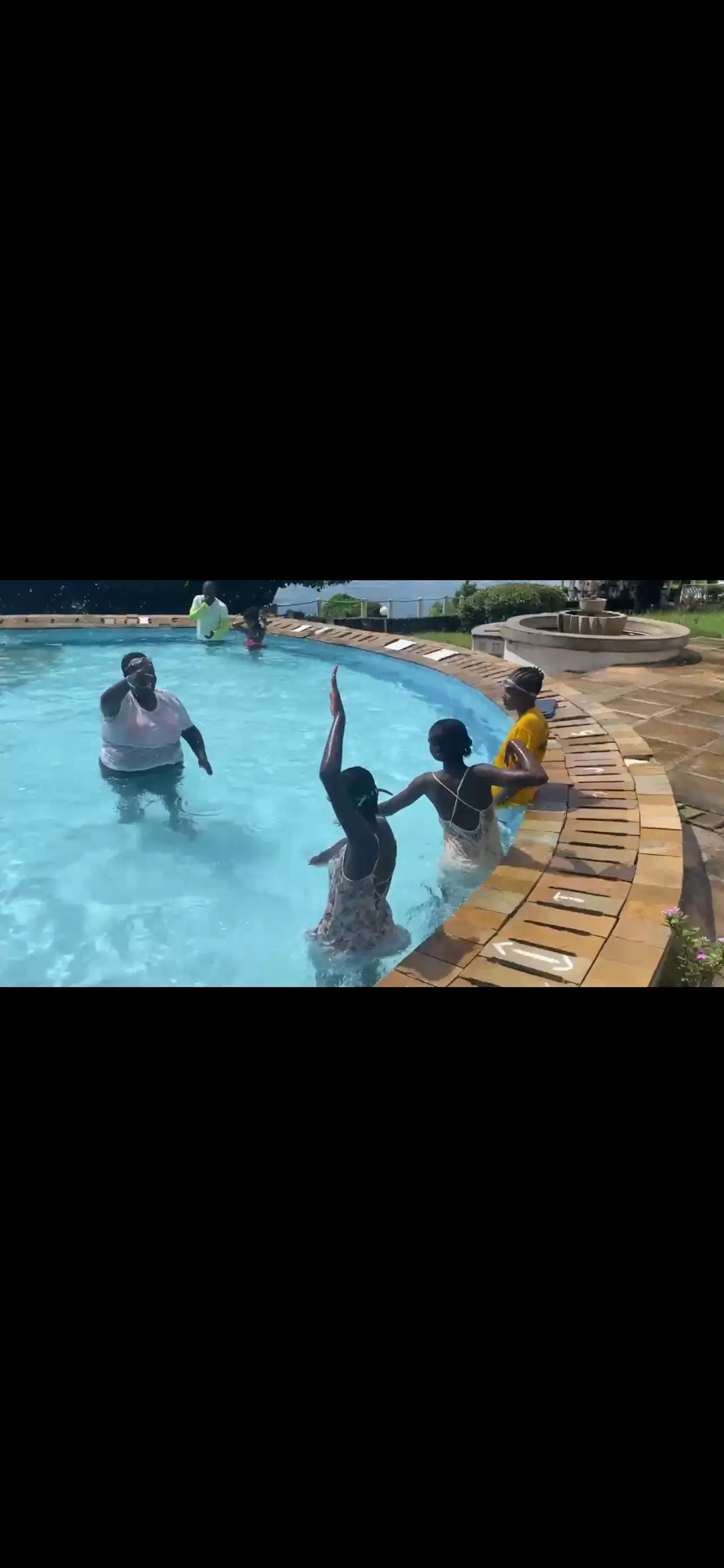
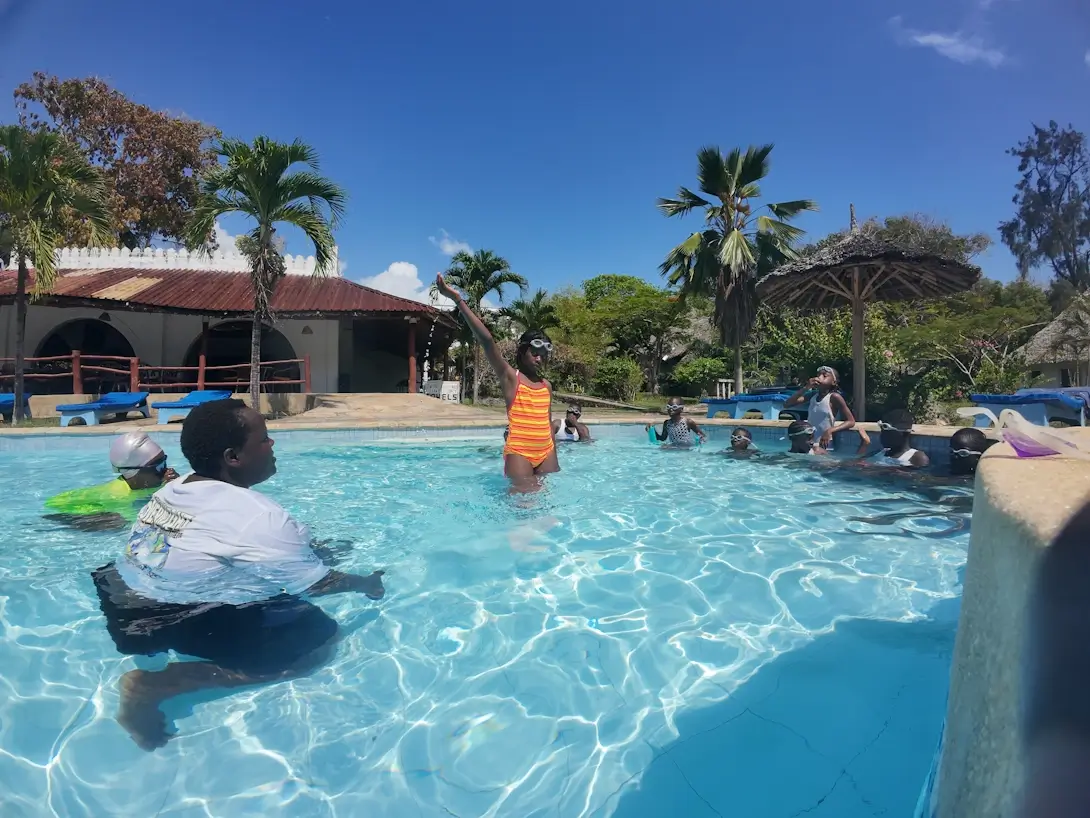
Today, I work as both a lifeguard and swim instructor with Kwale Water Rescue. Our days often begin before most visitors arrive.
By 7 a.m., lifeguard teams are already assessing beach conditions: tides, rip currents, wave strength, weather conditions, hazardous waste, and the number of people entering the water.
Much of the work focuses on prevention rather than rescue. Warning flags are placed in dangerous areas. Swimmers are guided toward safer zones. Children and inexperienced visitors are closely monitored. Lifeguards continuously assess changing conditions that many beachgoers may not recognise.
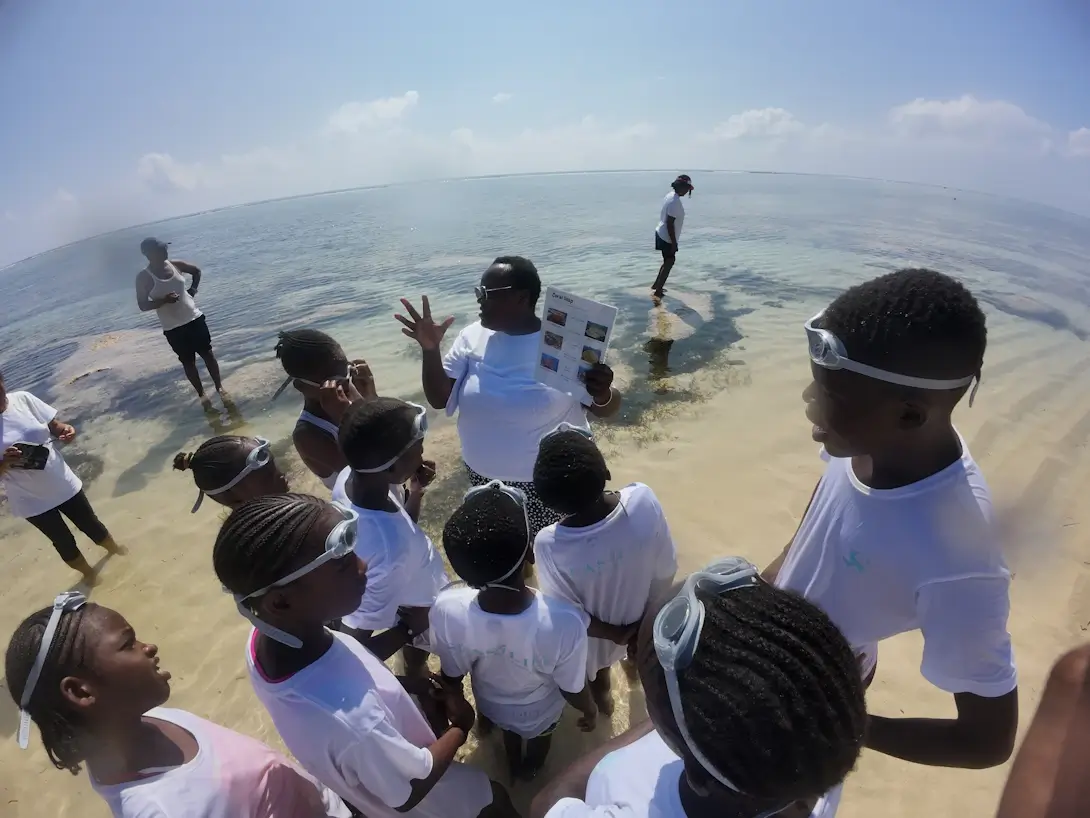
Many people arrive at the beach without fully understanding the ocean environment. During low tide, visitors often walk across coral areas without realising that corals are living organisms or how sharp and fragile they can be. Others remain unaware of hazards such as sea urchins, stonefish, strong currents, sudden depth changes, and rapidly shifting tides.
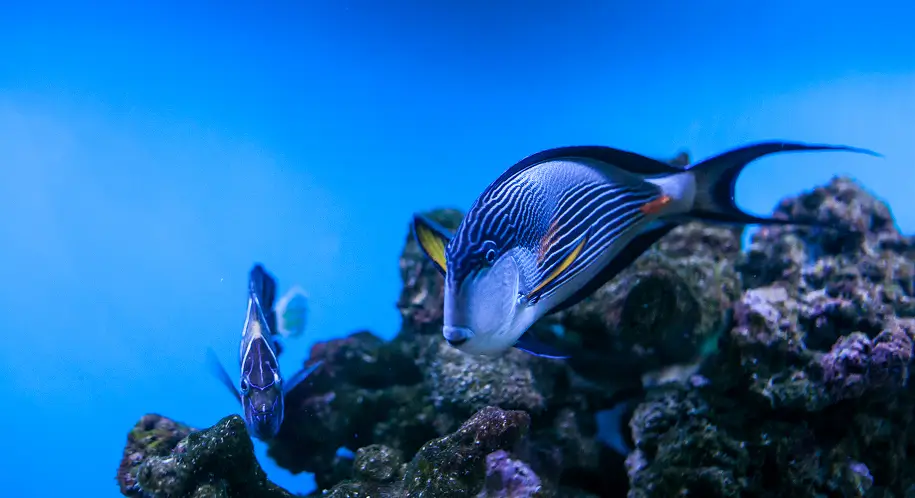
Along Kenya’s coast, coral reefs provide critical natural protection by reducing wave energy before it reaches the shoreline. These reefs also support fish populations, tourism livelihoods, and wider marine biodiversity. However, increasing human pressure, pollution, trampling, and plastic waste continue to threaten these fragile ecosystems.
For us at Kwale Water Rescue, environmental degradation and public safety are closely linked. Many injuries are caused not only by the ocean itself, but also by broken glass, plastic waste, and damaged reef areas. The ocean takes care of our community, and in return, our community must take care of the ocean.
The Wider Drowning Crisis in Kenya
Drowning remains a significant but often overlooked public safety issue in Kenya. According to World Health Organization (WHO) estimates, approximately 1,200-1500 people die from drowning annually in the country, with children and young people among the most vulnerable groups.
Globally, more than 300,000 people die from drowning every year, with over 90% of these deaths occurring in low- and middle-income countries. Along Kenya’s coastline, drowning incidents often increase during peak tourism seasons, when beaches become more crowded and ocean conditions can shift rapidly.
For frontline responders, the issue extends beyond accidents alone. Limited swimming knowledge, lack of public understanding around tides and rip currents, overcrowded beaches, insufficient safety equipment, and environmental degradation all contribute to preventable tragedies.
Climate change is also increasing risks across East Africa’s coastal regions. More unpredictable weather patterns, coastal erosion, flooding, and changing sea conditions are creating new safety challenges for communities that depend on the ocean.
For those of us working in rescue along the coast, these statistics are not abstract numbers but realities we experience firsthand.
When Rescue Becomes Personal
Despite preventative efforts, emergencies still occur. Some experiences remain difficult to forget. One of the most painful moments in my career involved the loss of a 12-year-old boy who entered a dangerous section of water despite repeated warnings.
For rescue teams like ours, such moments reveal how quickly situations can escalate. Panic in water can be either silent or chaotic. Some people struggle quietly, while others thrash and fight the water. In those moments, training, focus, and the ability to remain calm become critical.
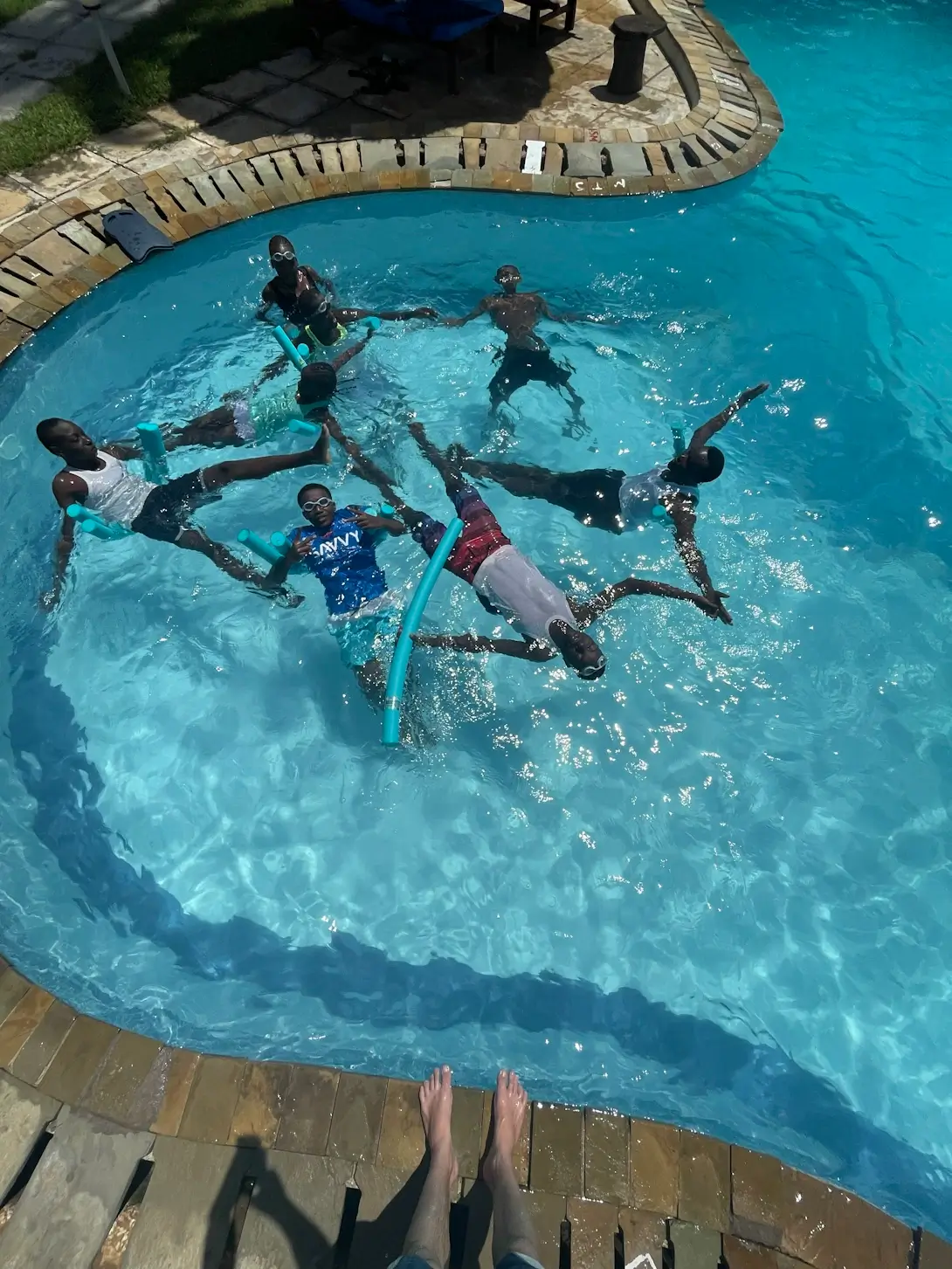
The emotional weight of these experiences often extends beyond the incident itself. Yet the work also brings moments of hope and purpose. For me, teaching children and adults to swim is one of the most rewarding aspects of the work because it gives people confidence and a potentially life-saving skill.
Beyond beach patrols, we support community awareness programmes and water-based therapeutic activities that help people build confidence and understanding around the sea.
Community, Conservation, and Shared Responsibility
Beach safety in Kwale County extends far beyond lifeguards alone. During busy tourism seasons and public holidays, overcrowding can increase risks ranging from drowning incidents to lost children, theft, harassment, and medical emergencies.
To respond effectively, lifeguards work closely with Beach Management Units (BMUs), local volunteers, emergency responders, tourism operators, and police officers. This community-based approach reflects a broader reality across East Africa’s coastline: conservation and public safety cannot be separated from the people who live and work alongside these ecosystems.
Education is one of the strongest tools for change. I believe ocean safety information needs to reach more people in ways that are engaging and accessible, creating not only awareness, but genuine understanding.
I believe that encouraging younger generations to respect the ocean creates a ripple effect that strengthens both conservation and community safety. Responsibility must also be shared by tourism operators and beach visitors.
Before entering the water, I encourage people to ask basic but important questions:
- Are trained responders present?
- Are life jackets available?
- Is there a first aid kit nearby?
- Is there an emergency plan?
These simple measures can make the difference between life and death.
Looking Forward
Along Kenya’s coastline, the relationship between people and the ocean continues to evolve. Coastal tourism is growing, marine ecosystems face increasing pressure, and climate change is altering tides, erosion patterns, and weather systems.
For frontline responders like us at Kwale Water Rescue, creating safer relationships with the ocean means combining rescue work with conservation awareness and community education.
As I strongly believe, “People protect what they understand.”
Protecting the ocean is ultimately inseparable from protecting people.
Coral reefs protect coastlines from wave energy. Healthy marine ecosystems support fisheries, tourism, and livelihoods. Safe access to the sea allows communities and visitors alike to build appreciation for the marine environment.
I believe that sometimes all it takes is one person paying attention to make a difference.
That belief continues to guide my work each day between the waves and the shore.