Community Engagement Transforms Marine Mammal Research and Conservation Along Kenya’s Coast
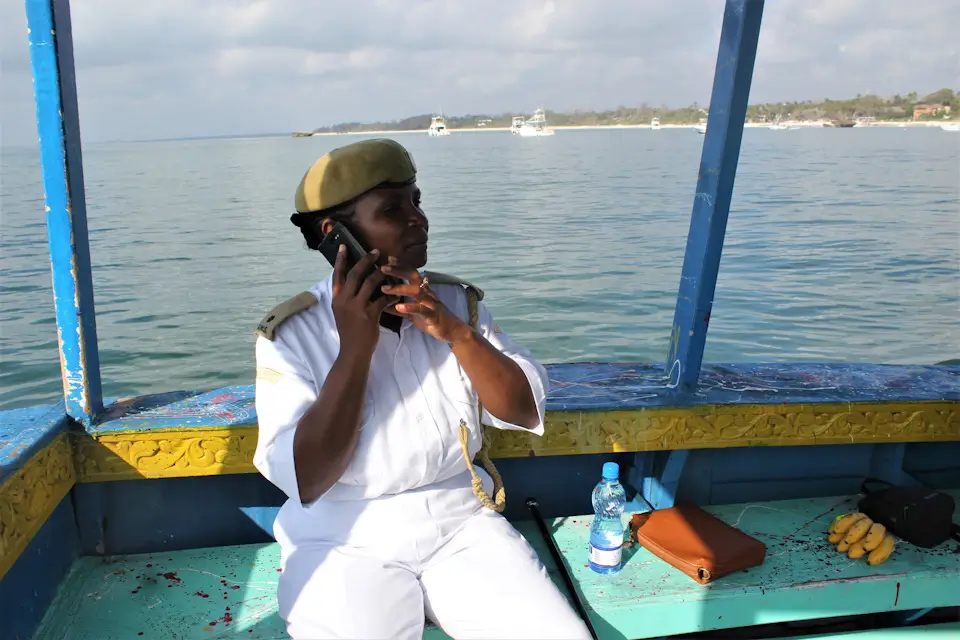
Kenya’s coast boasts spectacular marine life and biodiversity, but emerging threats to ecosystems and habitats are a concern. Over the last decade, a platform has emerged that brings together scientists, local communities, conservationists, fishers, and tour operators, in a collective mission: the Kenya Marine Mammal Network (KMMN). This innovative network is redefining marine mammal research and conservation along the Kenyan coast actively involving all marine users who report marine mammals into a single database.
In 1996, Kenya Wildlife Service (KWS) conducted a coast-wide aerial survey, recording eight species of marine mammals. For the next decade, monitoring was limited to sporadic references in scientific surveys and isolated sightings. Concerned NGOs and government agencies recognized the gap in systematic data and the untapped potential of citizen scientists. They envisioned a collaborative, participatory approach to marine mammal monitoring and mobilized the KMMN, and to date the network has grown to 216 data contributors and accumulated 2101 sightings between 2011-2024.
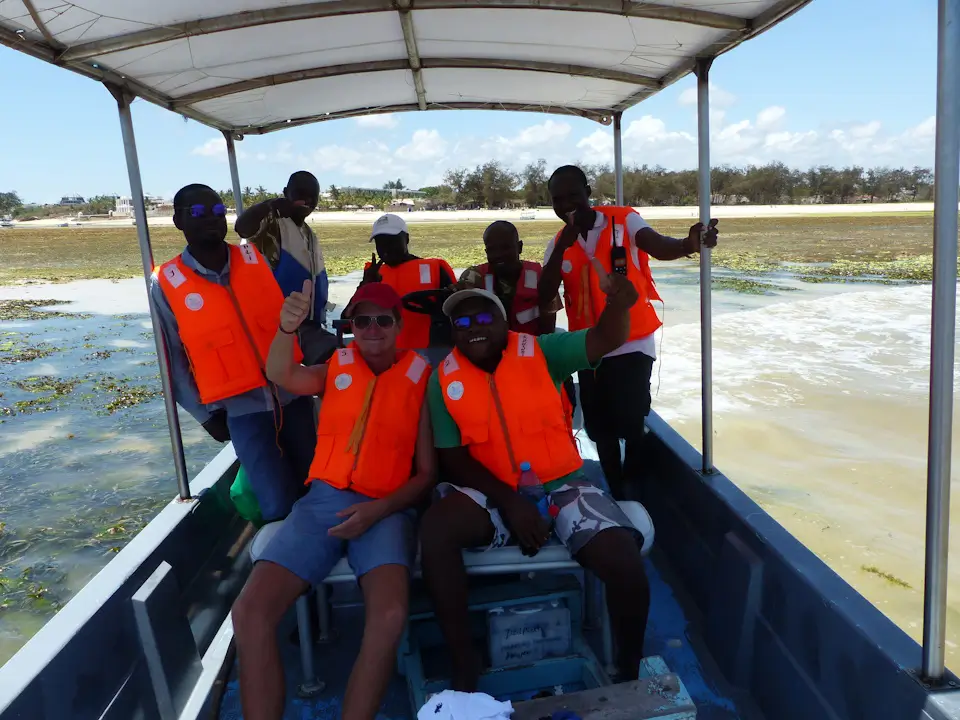
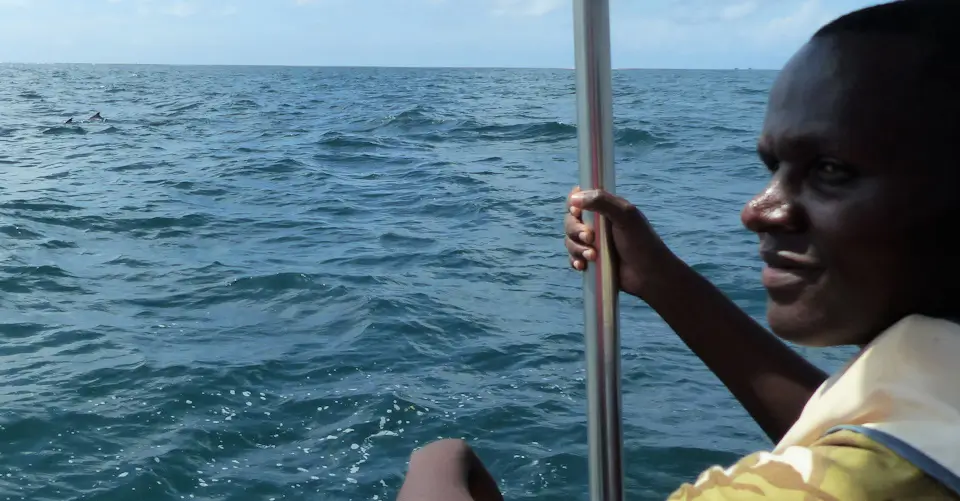
The KMMN operates as an open platform, collecting data using social media and WhatsApp group reporting, the choice of these platforms was to allow anyone to participate. The network reporting system is facilitated by the Kenya Marine Mammal Research and Conservation (KMMREC), who curates the data, verifies and adds it to the KMMN database. The reporting protocol requires sightings of all animals—whether healthy, sick, injured, or dead—to be documented with photos, videos, and GPS locations.
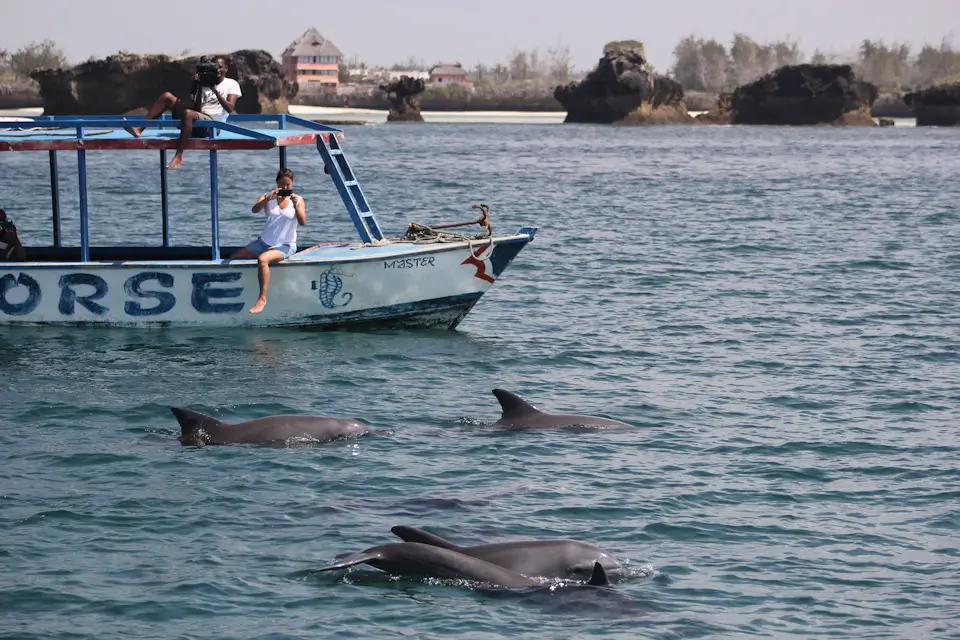
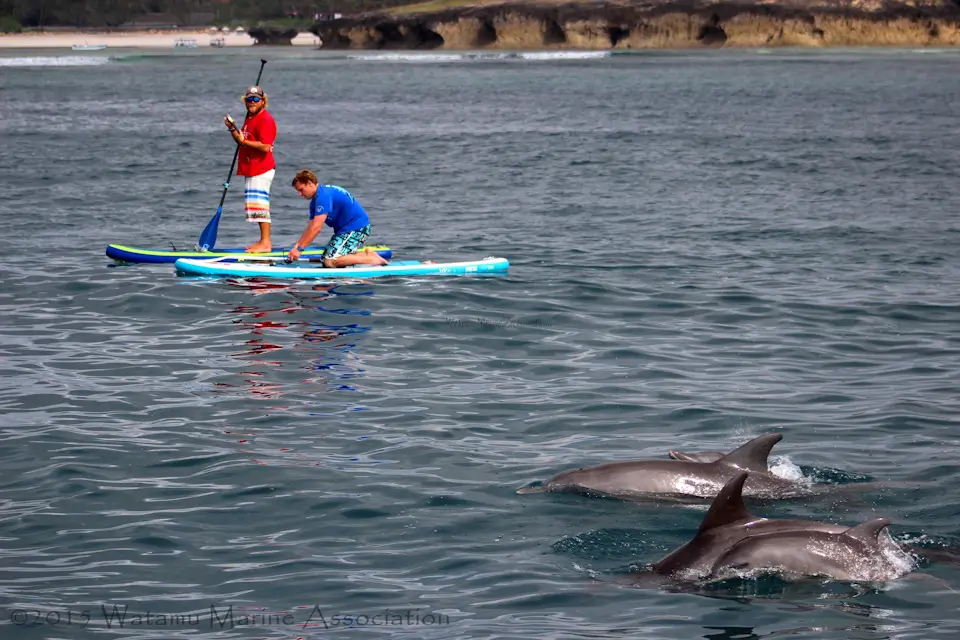
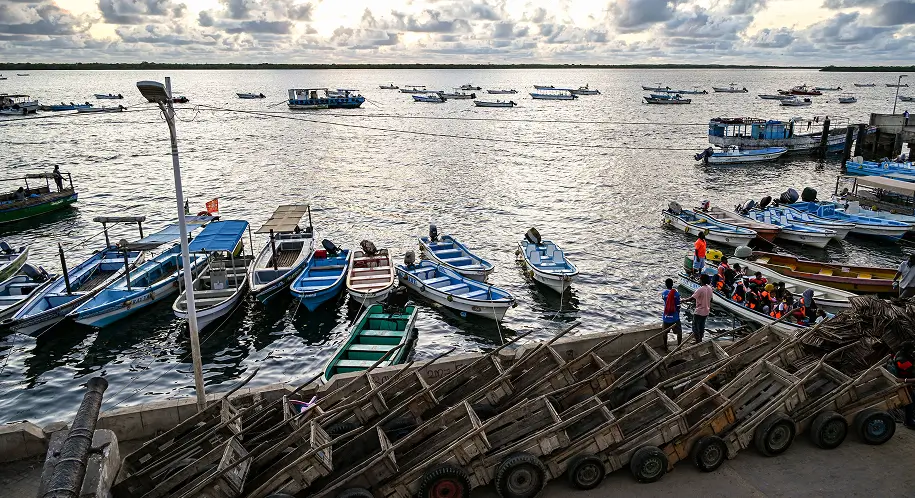
Recruitment and engaging low-income coastal communities in conservation is driven by the possibility of a regular sustained income, creating an impetus for citizen scientists to report marine mammal species. Coastal tourism provides 60% of Kenya’s total tourism revenue, an estimated 34 million dollars, with whale and dolphin watching as an emerging activity. Defined as a “Signature Experience” by the Ministry of Tourism, local communities are positioned to benefit. The International Whaling Commission included a Kenyan case study in the Whale Watching Handbook 2019. A protocol drafted by KMMN for whale and dolphin viewing outlines guidelines for marketing a sustainable eco-tourism activity that incorporates animal welfare considerations.
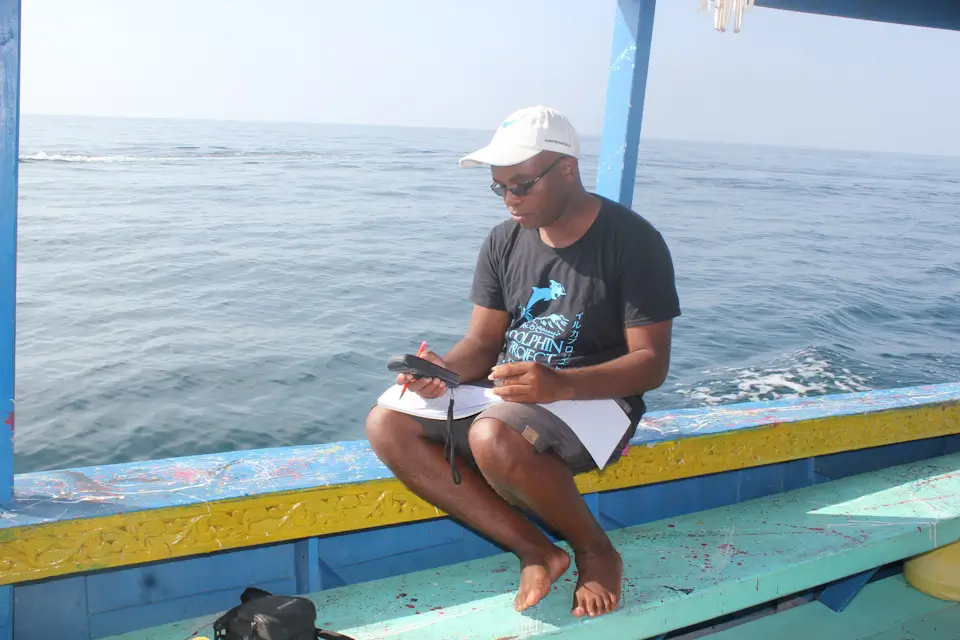
Central to the network’s success is its robust approach to data collection. Members are responsible for identifying various species of dolphins, whales, and dugongs, and documenting sightings in accordance with standardized protocols. If members are unable to determine the species, experts associated with the platform provide identification support. This information enables researchers to identify and target areas for focused study, engaging communities and examining emerging threats including bycatch, and deaths and injuries from entanglement in Abandoned Lost and Discarded Fishing Gears (ALDFG).
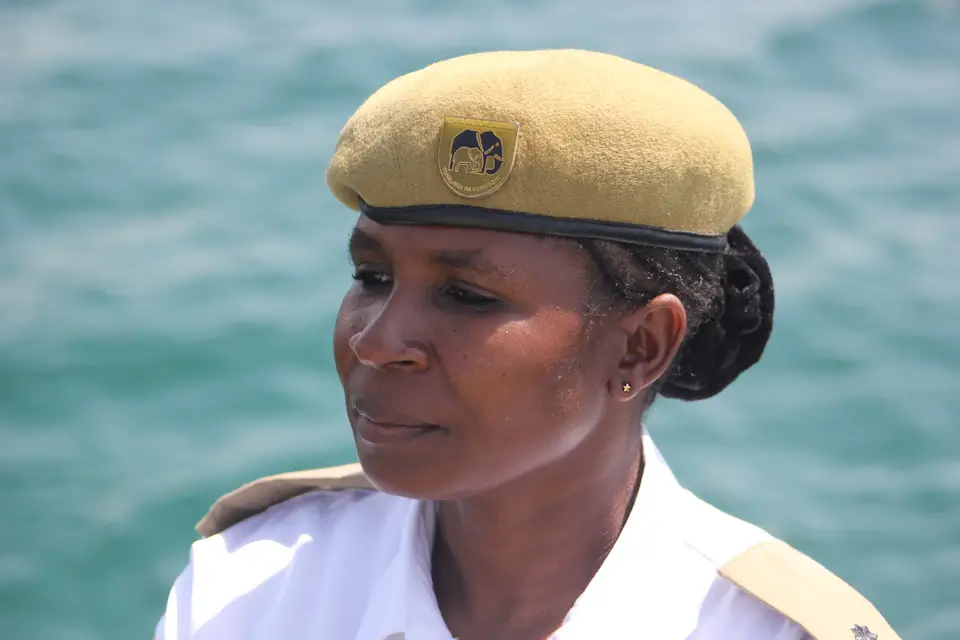
Notably, the collaborative model has enabled more rapid responses to emergencies, such as rescuing entangled large whales or mitigating human-wildlife conflict, thanks to the swift relay of information among coastal communities and authorities. Real-time data sharing and communication among participants, has culminated in the establishment of a KWS vet and stranding team, overseeing the welfare of the animals, and examining cause of death.
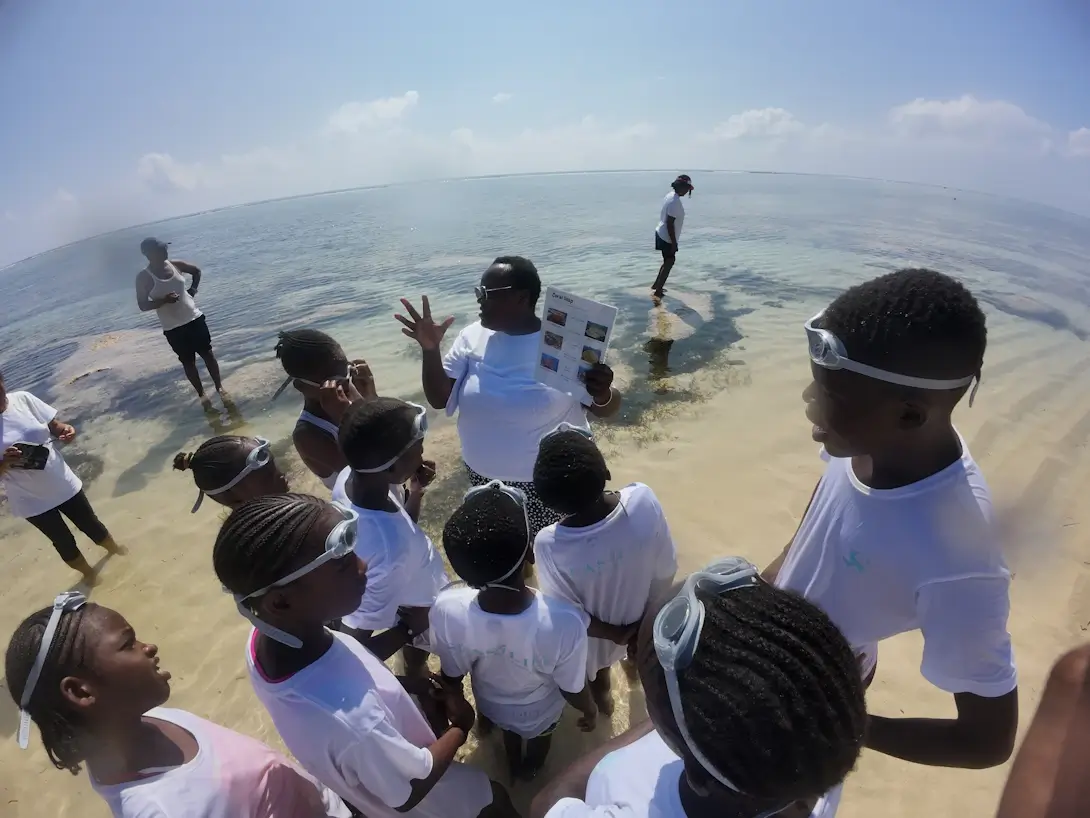
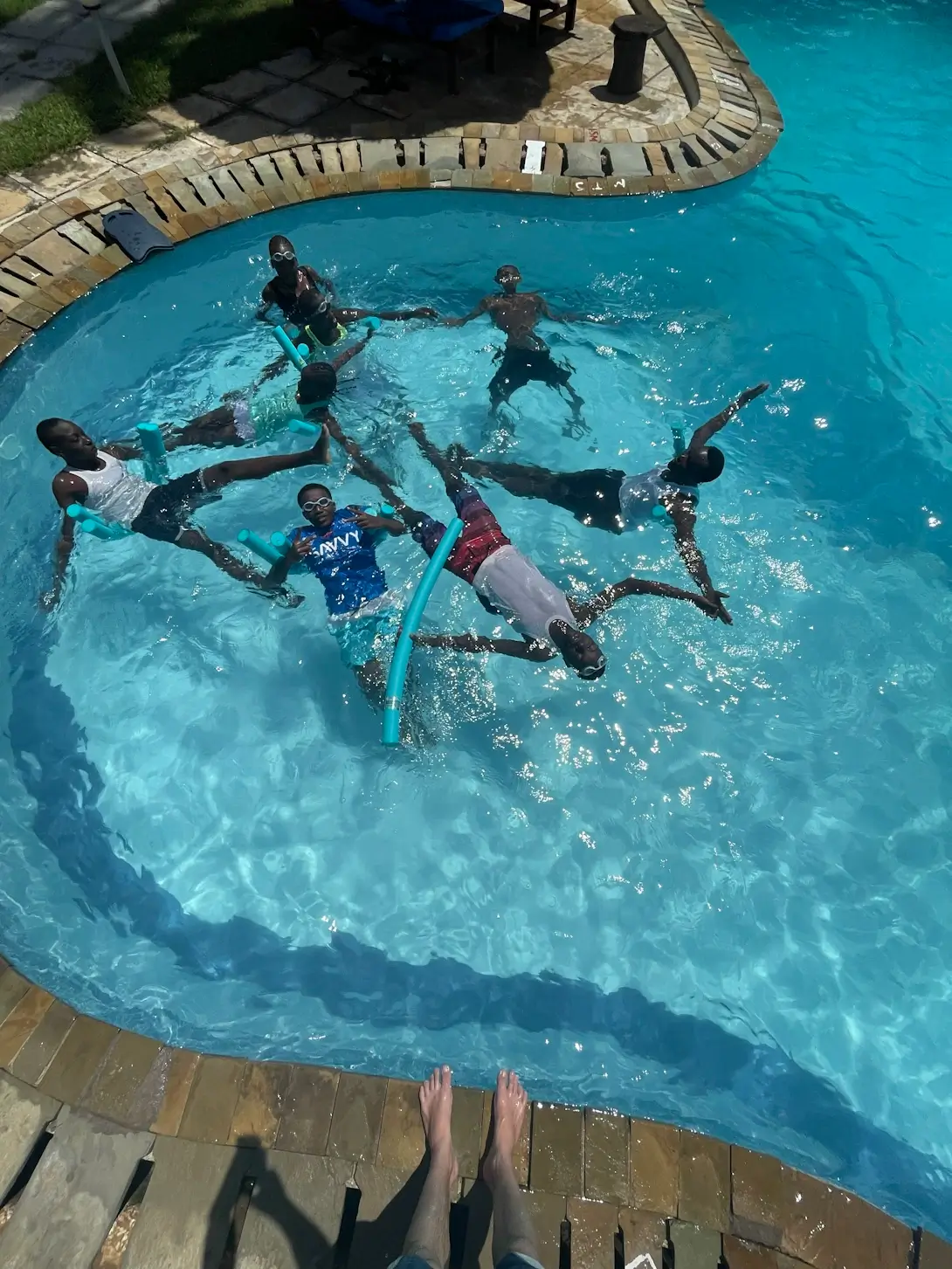
Over time it has been identified that the network has the capacity to empower coastal youth, providing opportunities for practical learning, environmental stewardship, and potential career pathways in marine science. By fostering a new generation of ocean advocates, the KMMN creates long-term conservation results.
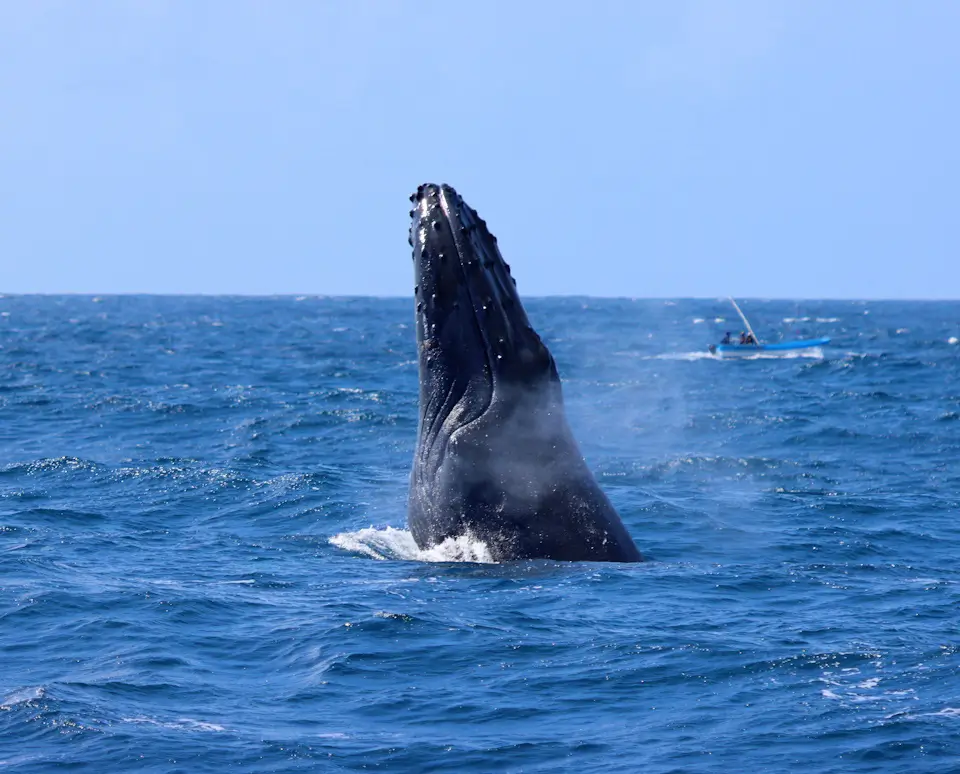
Thanks to the efforts of the network, the baseline knowledge of Kenya’s marine mammals has grown exponentially. With 26 species now recorded in Kenya, out of the 33 known in East Africa, these include the Indo-Pacific bottlenose dolphin, the endangered Indian Ocean humpback dolphin, the spinner dolphin, and humpback whale, which are now being documented with unprecedented frequency and detail. Less frequent seasonal reports include killer whales, Short-finned pilot whales, Bryde’s whales, sperm whales, and blue whales.
The data generated by citizen scientists have informed numerous studies, including regional acoustic mapping of seasonal migration routes of humpback whales, identifying critical habitats for dolphins and whales, assessing the impacts of boat traffic, fishing gear, and pollution on marine mammal health. The KMMN encourages replication and fosters scientific and conservation collaborations between East African and South West Indian Ocean countries. Information gathered has enabled the establishment in 2019 of three International Union of Conservation for Nature (IUCN) Important Marine Mammal Areas in Kenya, Kisite-Mpunguti. Watamu-Malindi, and Offshore Lamu and an Area of Interest still pending, focusing on the Lamu Archipelago and Kiunga National Reserve.
The Citizen Science Kenya Marine Mammal Network stands as a testament to the power of collective knowledge and grassroots action. In a time of rapid environmental change, its collaborative model offers a blueprint for inclusive, impactful conservation—one in which everyone, from seasoned scientist to young student or artisanal fisher, has a role to play.
Further reading
Kenya Marine Mammal Network – Assessment 2011-2019 ResearchGate – Mwango’mbe et al 2020
Cetacean Research and Citizen Science in Kenya, Frontiers – Mwango’mbe et al 2021