As the world prepares for the 11th Our Ocean Conference (OOC11) in Mombasa, Kenya, the East African Wild Life Society (EAWLS), together with partners across the Western Indian Ocean region, is championing the Our Ocean, Our Voice campaign to ensure that African coastal communities meaningfully shape global ocean governance discussions and outcomes.
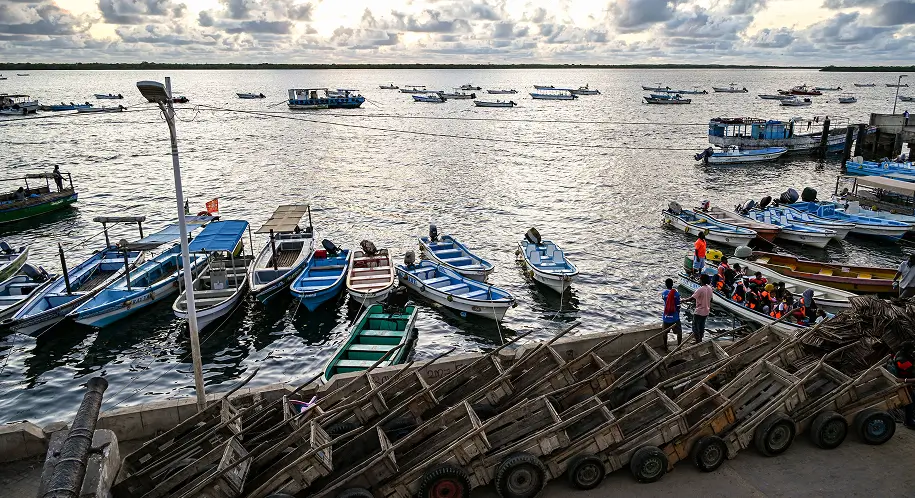
For the first time, the Our Ocean Conference will take place on African soil, presenting a historic opportunity to elevate the voices, priorities, and solutions emerging from coastal communities that depend directly on marine ecosystems for livelihoods, food security, tourism, and cultural identity. Through regional consultations involving civil society organizations, Beach Management Units, fishers, women and youth groups, and local ocean enterprises, EAWLS is consolidating community perspectives into a shared Civil Society Ocean Manifesto that will help influence commitments, financing priorities, and accountability mechanisms ahead of OOC11.
Across the region, communities continue to raise urgent concerns over declining fish stocks driven by overfishing, habitat destruction, and weak fisheries management systems. Illegal, unreported, and unregulated fishing remains a major threat to livelihoods and marine biodiversity, with communities calling for stronger monitoring systems, improved enforcement, and greater regional cooperation to protect shared waters. Coastal communities are also increasingly alarmed by rising marine pollution, particularly plastic waste, which continues to affect fisheries, tourism, biodiversity, and public health due to weak waste management systems and limited producer accountability.
Communities are further calling for a more inclusive and equitable blue economy where small-scale fishers, women-led enterprises, and youth initiatives are not left behind, but supported through access to financing, technical support, markets, and sustainable investment opportunities. There is also growing demand for conservation approaches that genuinely involve communities in decision-making processes. Many coastal stakeholders are advocating for stronger co-management systems, including Locally Managed Marine Areas, to ensure conservation efforts strengthen both ecosystem protection and local livelihoods.
Climate change continues to intensify these challenges through sea level rise, coastal erosion, biodiversity loss, and increasingly frequent extreme weather events. Communities are therefore calling for greater investment in nature-based solutions, particularly the restoration and protection of mangroves and seagrass meadows that provide coastal protection, store carbon, and support fisheries productivity.
Beyond advocacy, EAWLS is advancing practical conservation and policy initiatives that support climate resilience and sustainable ocean governance. Through a partnership with Fauna & Flora and support from The Pew Charitable Trusts, EAWLS is implementing initiatives that strengthen the recognition and conservation of blue carbon ecosystems within Kenya’s climate and development frameworks, while supporting the establishment of a national Blue Carbon Ecosystems Stakeholders Coordination Mechanism.
In addition, EAWLS has committed to strengthening the advocacy capacity of at least 50 coastal community groups representing more than 1,000 members to effectively influence marine and coastal governance processes in Kenya.
As Kenya prepares to host OOC11, EAWLS believes the credibility of global ocean governance will ultimately be measured not by the number of commitments announced, but by whether they translate into tangible, accountable, and community-driven action that delivers lasting benefits for coastal people and marine ecosystems across the Western Indian Ocean region.