NEWS & ARTICLES
WHATS HAPPENING ACROSS THE WIO REGION
Follow the stories, voices, and milestones shaping our ocean from coastal communities and grassroots action to regional advocacy and the global stage.
Latest Articles
In-depth features, community voices, and campaign stories from across the Western Indian Ocean. Written in the spirit of this campaign, close to the water, close to the people.
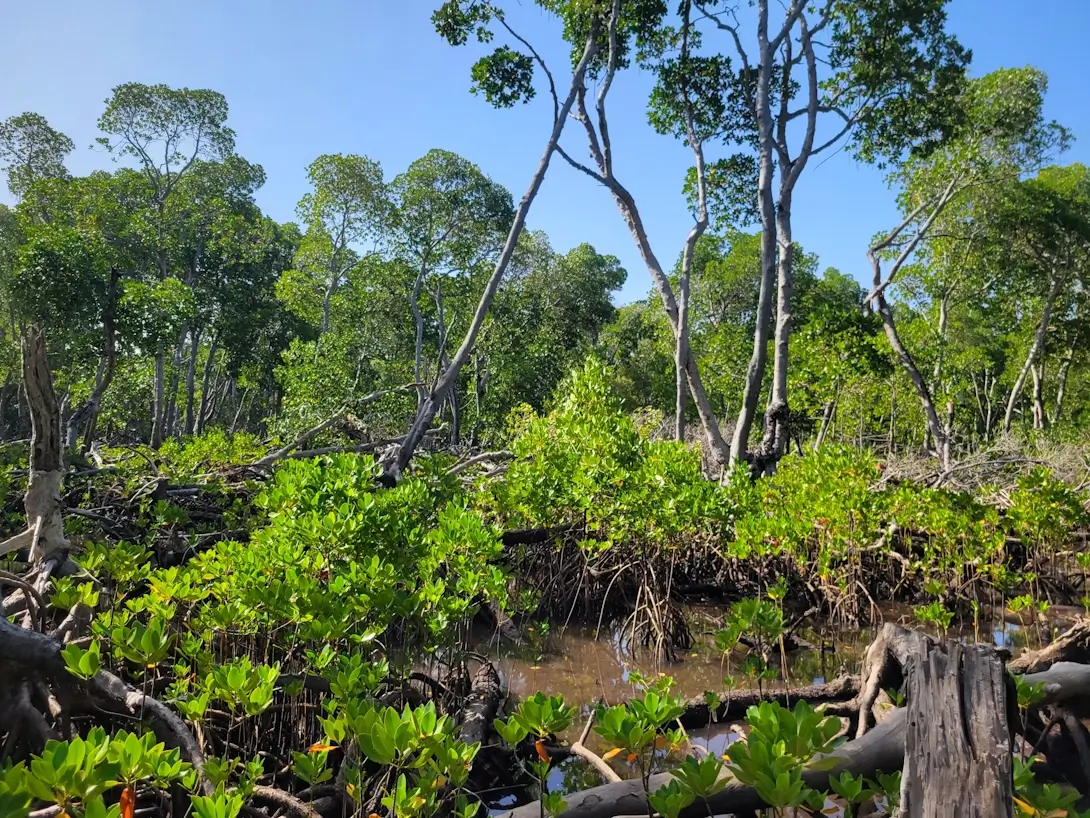
Groovin’ with the Mangroves: Kilifi’s Community-Led Restoration Drive and the Road Ahead.
Along the salty creeks of Kilifi County, a quiet transformation is taking root. Over the past five years, LEAF Kenya and local communities have planted more than 1.1 million mangroves across Kilifi Creek, Takaungu Creek, Mtwapa Creek and the Sabaki Estuary, achieving an impressive 80% survival rate. But this story is about more than trees. It is about restoring fisheries, protecting coastal communities from rising seas, creating sustainable livelihoods, and building climate resilience from the ground up. Every surviving mangrove represents a partnership between local families, women's groups, youth associations and conservationists working together to safeguard Kenya's coastal heritage. Through our Groovin' with the Mangroves initiative, we are proving that successful restoration is rooted in community ownership. Now, we are ready for the next chapter: restoring an additional 450,000 mangroves, expanding community nurseries, and empowering hundreds more coastal residents to become stewards of their environment. Because when a mangrove survives its third year, it becomes more than a tree. It becomes a symbol of resilience, hope and a shared commitment to a thriving future for people and nature.
Read this Story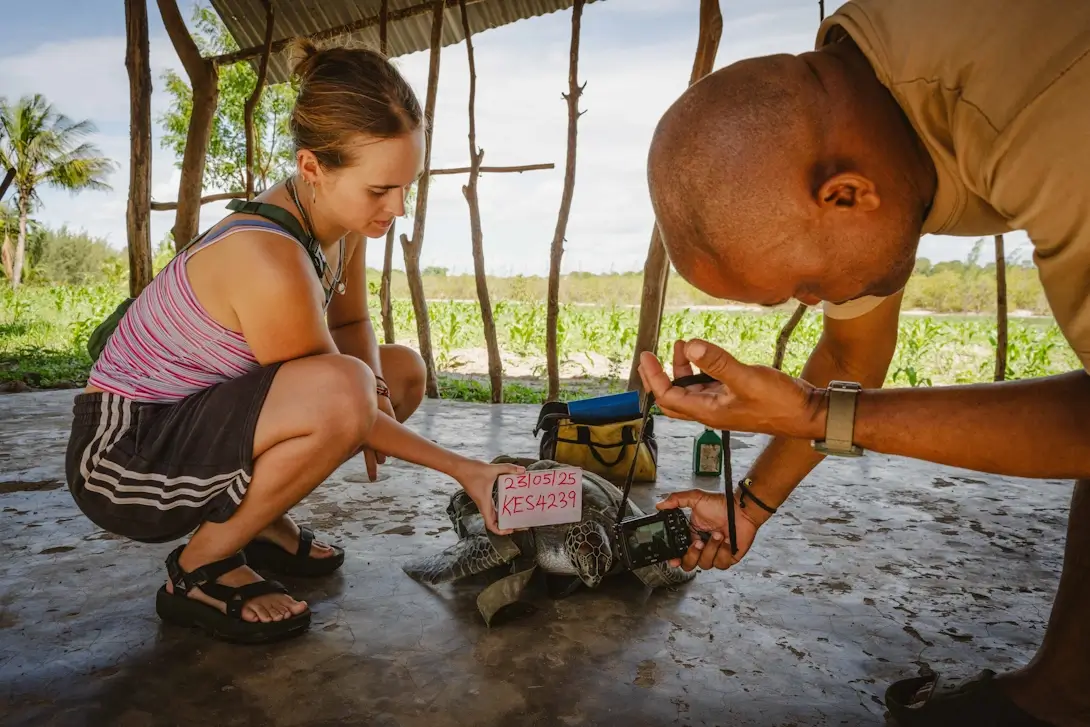
How One Community Became the Frontline for Sea Turtle Survival
A turtle is tangled in a net off the coast of Watamu. Within moments of a call from local fishers, Fikiri Kiponda is on his way. As Bycatch Rescue Coordinator with Local Ocean Conservation (LOC), Fikiri has spent more than 16 years at the centre of one of the Western Indian Ocean’s longest-running sea turtle rescue efforts. He knows the coastline, the fishing grounds, and the fishers—and they know him. When a turtle is caught in fishing gear, response must be fast, coordinated, and rooted in trust built over decades. Since 1997, LOC has recorded more than 1,040 sea turtle nests on Watamu’s beaches and responded to 24,785 turtle rescues through its bycatch programme. Behind those figures is a community-led system: fishers who report entangled turtles, beach monitors who track nesting activity nightly, and a rehabilitation team that treats injured animals until they are ready to return to the sea. Each night during nesting season, LOC teams walk Watamu beach, documenting every turtle emergence and protecting nests through to hatching. Over time, this continuous record has become a vital dataset, revealing shifts in nesting patterns and offering early insight into the impacts of climate change across the Western Indian Ocean. Not all rescued turtles return to the ocean immediately. Some arrive with severe injuries and require long-term care in LOC’s rehabilitation centre, which also serves as a hub for marine education, bringing local schoolchildren face-to-face with conservation in action. For Fikiri, the work is simple in purpose but constant in practice. “The sea is our neighbour. If a turtle is in trouble, it is our responsibility,” he says. In Watamu, conservation is not abstract—it is a shared commitment shaped by daily action, community trust, and nearly three decades of collective care.
Read this Story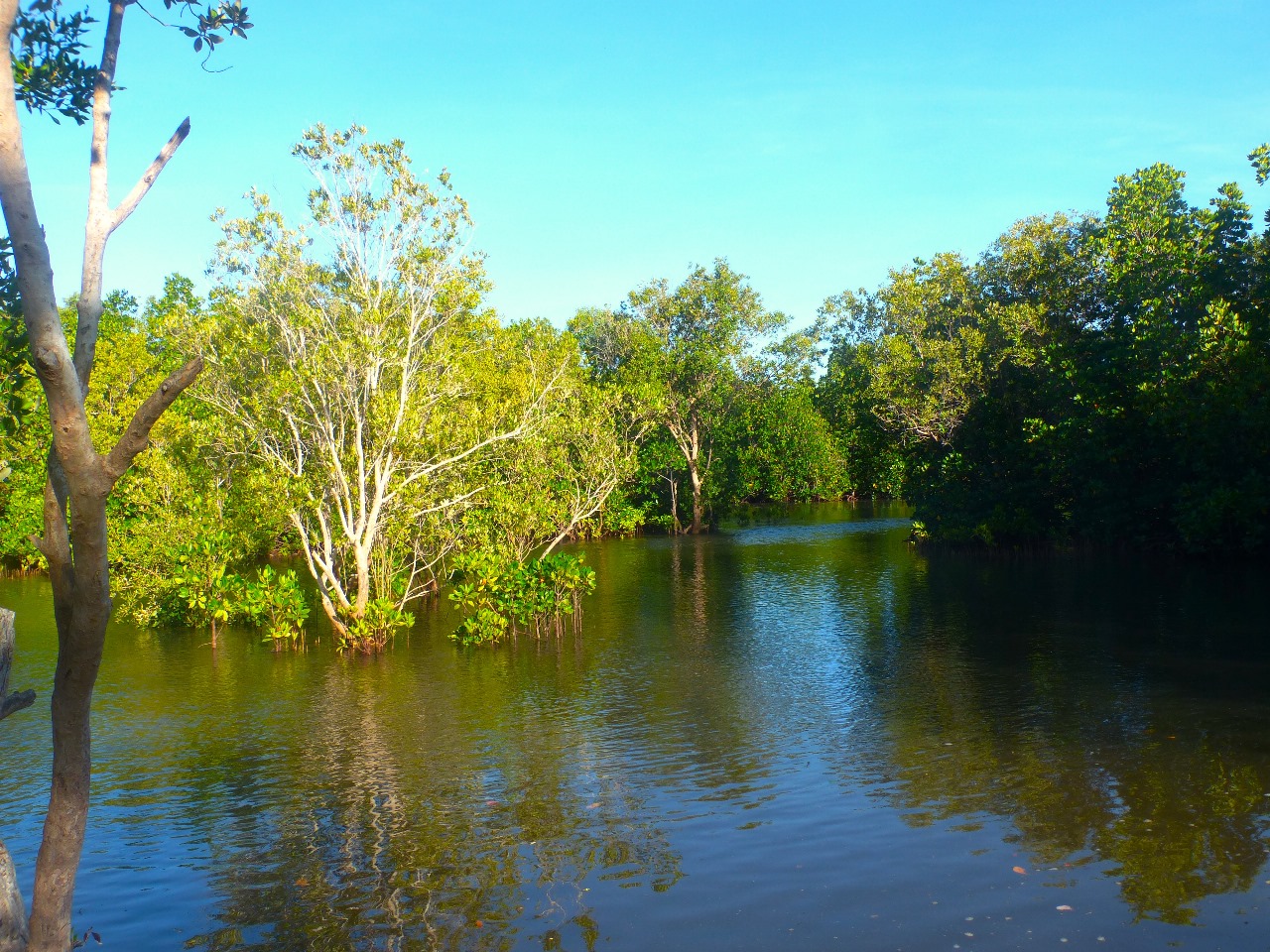
Community-Driven Ecotourism Model Along the Kenyan Coast by Mariners for Action-MFA
As coastal communities along Kenya’s shoreline face declining fish stocks, habitat degradation, and increasing climate pressures, new approaches are needed to strengthen both livelihoods and conservation. Mariners for Action (MFA) is exploring a community-driven ecotourism model that connects ecosystem stewardship, cultural heritage, and local enterprise, creating opportunities for communities to benefit directly from protecting the environments they depend on. Through cultural tourism, mangrove-guided experiences, sea turtle conservation, environmental education, and community-led restoration activities, the initiative is helping retain tourism value within local communities while promoting sustainable resource use. By placing local people at the centre of conservation and tourism, the model demonstrates how ecological protection and economic resilience can work together to support more sustainable coastal futures. From mangrove forests and turtle nesting beaches to cultural storytelling and youth engagement, this growing initiative highlights the potential of community-led ecotourism to strengthen livelihoods, celebrate coastal heritage, and foster long-term stewardship of Kenya’s marine ecosystems.
Read this StoryPress Releases
Official announcements from EAWLS, WIO-C, and Oceans 5. Formal statements, partnership news, and organisational updates for media, partners, and stakeholders.
event updates
What happened, what was said, and what it means. Short dispatches from OOC sessions and WIO-C side events.
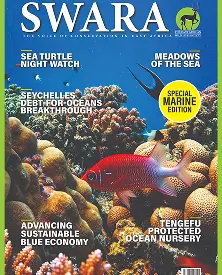
MARINE LIFE SPECIAL SWARA EDITION
Africa’s leading voice on wildlife and conservation featuring news research and updates from across Africa.